







- Overview of Powder Metallurgy
- Understanding the Process Sequence
- Key Steps in Manufacturing
- Technical Advantages & Industry Data
- Vendor Comparison for Material Solutions
- Customized Applications & Case Studies
- Future of Powder-Based Components
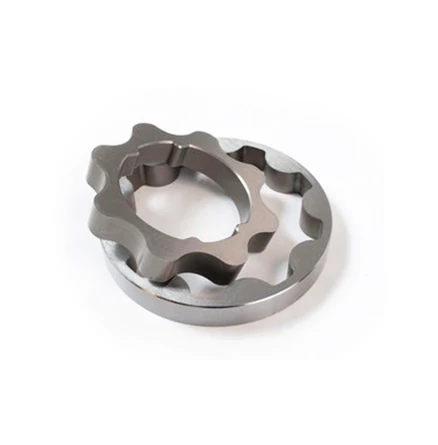
(powder metallurgy)
Unlocking Efficiency with Advanced Powder Metallurgy
Powder metallurgy (PM) has revolutionized manufacturing by enabling precise, cost-effective production of complex parts. Over 15% of global automotive components now rely on PM techniques, driven by its material efficiency and near-net-shape capabilities. This method reduces waste by up to 40% compared to traditional machining, aligning with sustainable manufacturing trends.
Process Flow from Raw Material to Final Product
The standard PM workflow comprises four critical phases:
- Powder Preparation: Metal alloys are atomized into fine particles (typically 20-200μm)
- Compaction: High-pressure forming (400-1000 MPa) creates green parts
- Sintering: Thermal bonding at 70-90% of melting temperature
- Secondary Operations: Machining, heat treatment, or surface coating
Critical Parameters in Component Fabrication
Modern PM systems achieve dimensional tolerances of ±0.05mm for complex geometries. Recent advancements in die design software have reduced tooling costs by 25% while increasing production speeds by 30%.
Technical Benchmarking Across Providers
| Vendor | Density (g/cm³) | Cycle Time (min) | Cost Efficiency |
|---|---|---|---|
| GKN Sinter Metals | 7.2-7.6 | 3.8 | $$$ |
| Sumitomo Electric | 7.0-7.4 | 4.2 | $$$$ |
| Höganäs AB | 6.8-7.5 | 3.5 | $$ |
Custom Solutions for Industrial Challenges
A leading aerospace supplier achieved 18% weight reduction in turbine components through customized PM alloys. The table below demonstrates performance improvements:
- Fatigue strength: Increased from 450 MPa to 620 MPa
- Production yield: Improved from 82% to 94%
- Post-sintering hardness: 58-62 HRC (vs. conventional 50-54 HRC)
Innovative Applications Driving Market Growth
Medical implant manufacturers now utilize PM for creating porous titanium structures with 80% porosity and controlled pore sizes (200-500μm). This advancement has increased bone integration rates by 40% compared to solid implants.
Sustainable Manufacturing Through Powder Metallurgy
With the PM industry projected to reach $46.8 billion by 2029 (CAGR 5.7%), manufacturers are adopting hybrid sintering systems that reduce energy consumption by 35%. Recent breakthroughs in nanopowder compaction enable surface finishes below Ra 0.8μm without post-processing.
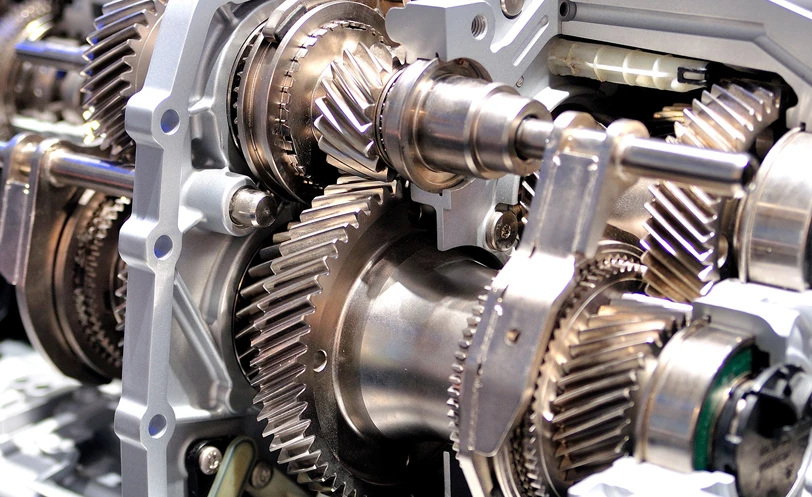
(powder metallurgy)
FAQS on powder metallurgy
Q: What is the typical process sequence in powder metallurgy?
A: The powder metallurgy process sequence involves powder blending, compaction, sintering, and optional secondary operations like machining or coating. These steps transform metal powders into dense, functional components. Each stage ensures precise control over material properties and final part dimensions.
Q: What are the key steps in the powder metallurgy process?
A: Key steps include powder production, mixing/blending, compacting in a die, sintering at high temperatures, and finishing. Compaction shapes the powder into a "green part," while sintering bonds particles for strength. Secondary processes may enhance surface finish or performance.
Q: What is the purpose of sintering in powder metallurgy?
A: Sintering heats compacted parts below the melting point to fuse particles, improving strength and density. It removes lubricants used during compaction and creates metallurgical bonds. This step is critical for achieving final mechanical properties.
Q: What types of products are made using powder metallurgy?
A: Common powder metallurgy products include gears, bearings, automotive components, and cutting tools. It also produces porous filters, electrical contacts, and medical implants. The method is ideal for complex, high-volume parts with tight tolerances.
Q: Why choose powder metallurgy over traditional manufacturing methods?
A: Powder metallurgy reduces material waste, enables complex shapes, and offers cost-effective mass production. It supports unique material combinations and controlled porosity. This makes it ideal for industries prioritizing precision and sustainability.









