




Understanding Micro Gear: Tiny Components with a Global Impact
At first glance, the term micro gear might evoke images of tiny machinery tucked away in gadgets or watches. Yet, these minuscule mechanical wonders hold immense importance across industries worldwide. From powering delicate medical devices to enabling precision robotics, micro gears are a cornerstone of modern technology—and, frankly, the future.
Why does this matter globally? Beyond being mere parts, micro gears support industries that affect billions: healthcare, communications, defense, and humanitarian equipment. Knowing how these tiny components function and where they’re heading allows engineers, procurement teams, and innovators to make better decisions. It’s a fascinating niche but one packed with outsized benefits.
The Global Context: Why Micro Gears Matter More Than Ever
The global market for precision micro components is booming—expected to exceed $12 billion within the next few years according to industry reports. This surge is fueled by expanding demand for miniaturized devices in fields ranging from aerospace to consumer electronics. The United Nations’ push for sustainable and accessible healthcare solutions, alongside ISO standards tightening tolerances for micro-machined parts, highlights micro gears' growing relevance.
Consider this: in remote medical facilities or disaster zones, compact equipment with reliable micro gears can be the difference between proper patient care or suboptimal treatment. Yet challenges remain—manufacturing consistent quality micro gears at scale, for example, or ensuring durability under extreme environments. The industry is tackling these head-on.
What Exactly Is a Micro Gear?
Put simply, a micro gear is a gear mechanism with dimensions typically under a few millimeters—though definitions vary. These tiny cogs perform rotational or linear motion transmission in confined spaces. They’re often crafted from high-grade metals or advanced polymers, balancing precision with strength.
In practical terms, you’ll find micro gears embedded in surgical instruments, micro-robotic arms, microfluidic pumps, and high-precision clocks. They’re fundamental to devices requiring intricate movement with minimal size, weight, or noise.
Why Does This Tie Into Industries and Humanitarian Needs?
Miniaturization enables portable medical devices for rural clinics, compact sensors for environmental monitoring, or agile robots for disaster recovery. Something as small as a micro gear can enable life-saving technologies to be both mobile and durable.
Key Factors Driving Micro Gear Performance
1. Durability and Material Quality
Micro gears must withstand repeated cycles without wear, especially when used in critical equipment. Stainless steel, titanium, and ceramics offer corrosion-resistance and strength, while polymer variants deliver noise reduction and weight savings.
2. Precision and Tolerance
Since micro gears operate at tiny scales, even microscopic errors in tooth profile or alignment can cause failure. Advanced CNC machining and additive manufacturing have enabled tolerances in the micron range.
3. Scalability of Production
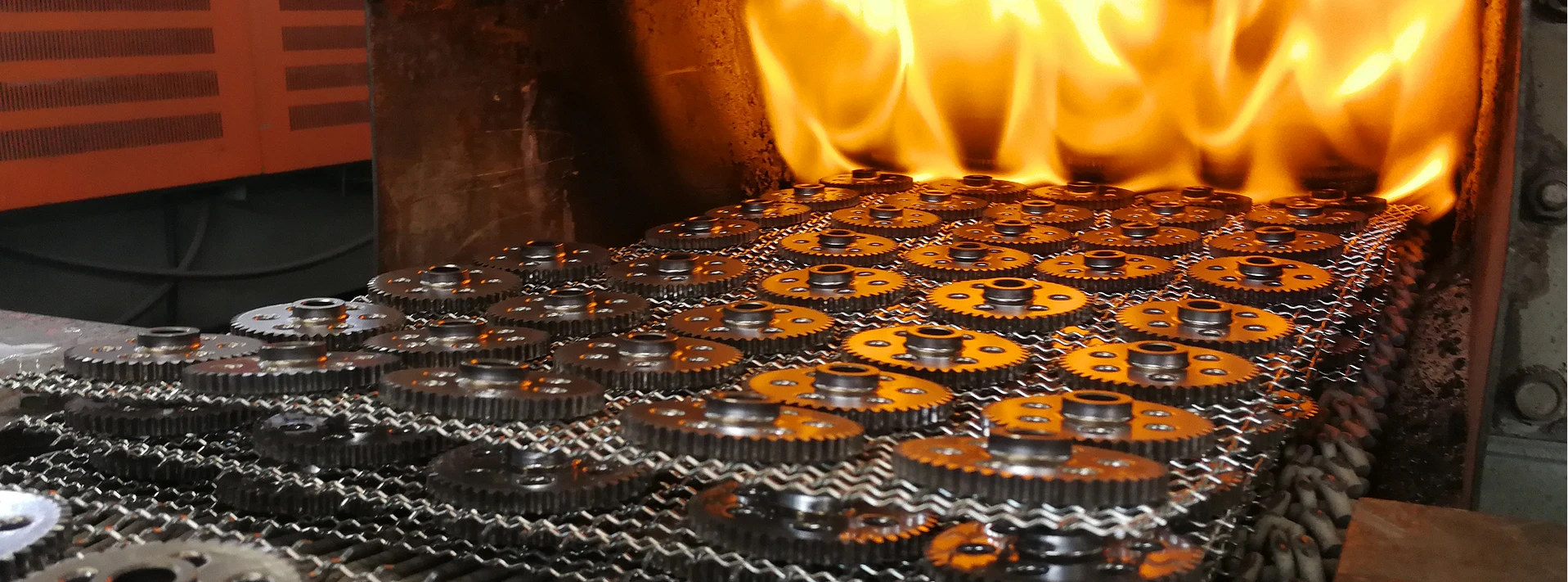
Making one micro gear is a feat; making thousands consistently is tougher. Manufacturers invest in micro-injection molding and laser cutting to meet industry demand.
4. Cost Efficiency
While performance is key, the cost per unit remains critical, especially for products destined to low-resource environments. Materials, processes, and supply chain logistics all factor in.
5. Customizability
Different applications require tailored gear shapes, tooth counts, and materials. Vendors offering bespoke solutions have an edge.
Typical Specifications of a Micro Gear
| Specification | Typical Range | Notes |
|---|---|---|
| Gear Diameter | 0.5 mm – 10 mm | Depends on application |
| Material | Stainless Steel, Titanium, Polymer | Material chosen based on strength & weight |
| Tooth Count | 10 - 80 teeth | Precision affects smoothness |
| Tolerance | ± 1 to 5 microns | Micron-level precision needed |
| Operating Temp. | -40°C – 150°C | Varies with material and use case |
Global Applications: Where Micro Gears Make a Difference
The world over, from Tokyo to Johannesburg, micro gears quietly power devices essential to life and progress. A few hotspots stand out:
- Medical Devices: Portable insulin pumps and implantable hearing aids rely heavily on micro gear assemblies to ensure tiny, precise movements.
- Aerospace and Defense: Specialized drones and satellite mechanisms use micro gears for compact and reliable mechanical actions.
- Industrial Automation: Micro-robotics in manufacturing lines use high-precision gears to handle delicate objects, raising productivity.
- Humanitarian Relief: In post-disaster scenarios, compact water purifiers and sensor systems enabled by micro gears allow swift deployment.
For example, in remote industrial zones of Canada, specialized micro gear-equipped drill rigs have improved precision and decreased downtime—a win for safety and economics alike.
And frankly, these devices don’t just stay in labs. They reach communities, sometimes in unexpected ways, adding dignity and efficiency.
Mini takeaway:
Micro gears are small but mighty: they span from life-saving health gear to tough industrial machines, shaping many lives worldwide.
Advantages and Long-Term Value of Micro Gears
Getting straight to the point, investing in well-designed micro gears pays off in multiple ways.
- Cost Reduction: Smaller, more efficient components reduce the size and complexity of whole systems.
- Longevity and Reliability: High-precision manufacturing means fewer breakdowns, extending product life.
- Environmental Sustainability: Smaller parts mean less material use, supporting eco-friendly manufacturing goals.
- Social Impact: Improved medical devices and automation enhance quality of life and workplace safety.
Emotional appeal isn’t far off either—knowing that the tiny gear in your prosthetic limb or medical device quietly supports your independence is quite powerful.
The Future: Innovations & Trends in Micro Gear Technology
It’s worth noting how the industry evolves. Materials science leaps now include graphene coatings for friction reduction, while additive manufacturing (3D micro printing) lets engineers create geometries that were once impossible.
Digital transformation is also key: AI-powered quality control scans gears down to the micron, drastically cutting defects. Green policies push for biodegradable polymers in some applications—oddly enough, tiny gears are part of this sustainability puzzle.
Also, with automation increasing across sectors, micro gear demands will only diversify, requiring vendors to be flexible and tech-forward.
Common Challenges and Paths Forward
Of course, as with any tech niche, challenges linger:
- Manufacturing Complexity: Keeping production yields high at micro scales isn’t trivial.
- Material Limitations: Some high-strength materials are hard to machine at this scale.
- Cost Pressure: Balancing performance with affordability is a constant tug-of-war.
Innovations like micro-laser engraving and hybrid material composites show promise. Collaboration between suppliers and end-users often results in breakthrough designs. Plus, industry standards like DIN and ISO help streamline quality expectations and foster trust.
Comparing Vendors: What to Look For
| Vendor | Customization | Typical Lead Time | Quality Certifications | Price Range |
|---|---|---|---|---|
| MicroGear Pro | High (Bespoke designs) | 4-6 weeks | ISO 9001, ISO 13485 | $$$ |
| NanoTek Gears | Medium (Limited customization) | 2-3 weeks | ISO 9001 | $$ |
| MiniMotion Co. | Low (Standard models) | 1-2 weeks | ISO 9001, RoHS | $ |
FAQ: What You’re Curious About Micro Gears
Q1: What industries rely most on micro gears?
A1: Medical technology, aerospace, robotics, and automation sectors are the top users. These industries require compact, reliable, and precise mechanical components, which micro gears provide.
Q2: How are micro gears manufactured to such tight tolerances?
A2: Manufacturing involves advanced techniques like CNC micro machining, micro-injection molding, and laser micro-cutting. Quality is often assured with microscopy and AI-driven inspection.
Q3: Can micro gears be customized for unique applications?
A3: Yes, many vendors offer bespoke design services to tailor gear size, tooth count, and materials to specific customer needs, balancing performance and cost.
Q4: Are micro gears durable enough for harsh environments?
A4: When made from suitable materials (e.g., titanium, hardened steel) and coatings, micro gears can perform reliably even under extreme temperatures and corrosive conditions.
Q5: How do I ensure quality when sourcing micro gears internationally?
A5: Look for vendors with recognized certifications (ISO 9001, ISO 13485), request samples, and check for documented testing processes to minimize risks.
Wrapping It Up: Why Micro Gears Demand Our Attention
In a world that prizes small-but-mighty solutions, micro gears are the quiet heroes making it all possible. From healthcare breakthroughs to advanced robotics, these tiny parts embody precision engineering and innovation. Their long-term value—be it cost savings, improved quality of life, or environmental gains—is simply undeniable.
If you’re wondering where to start exploring the possibilities of micro gear applications, visiting specialized suppliers and diving into customization options is a good first step.
After all, sometimes the smallest gears turn the biggest wheels.