




- Mechanical Fundamentals of Pinion Gear Systems
- Technical Advantages in Modern Gear Engineering
- Performance Comparison: Industry Leaders Analysis
- Customization Strategies for Specialized Applications
- Operational Data and Efficiency Metrics
- Implementation Case Studies Across Industries
- Future Development in Pinion-Driven Mechanisms

(pinion gear)
Understanding the Mechanical Fundamentals of Pinion Gear Systems
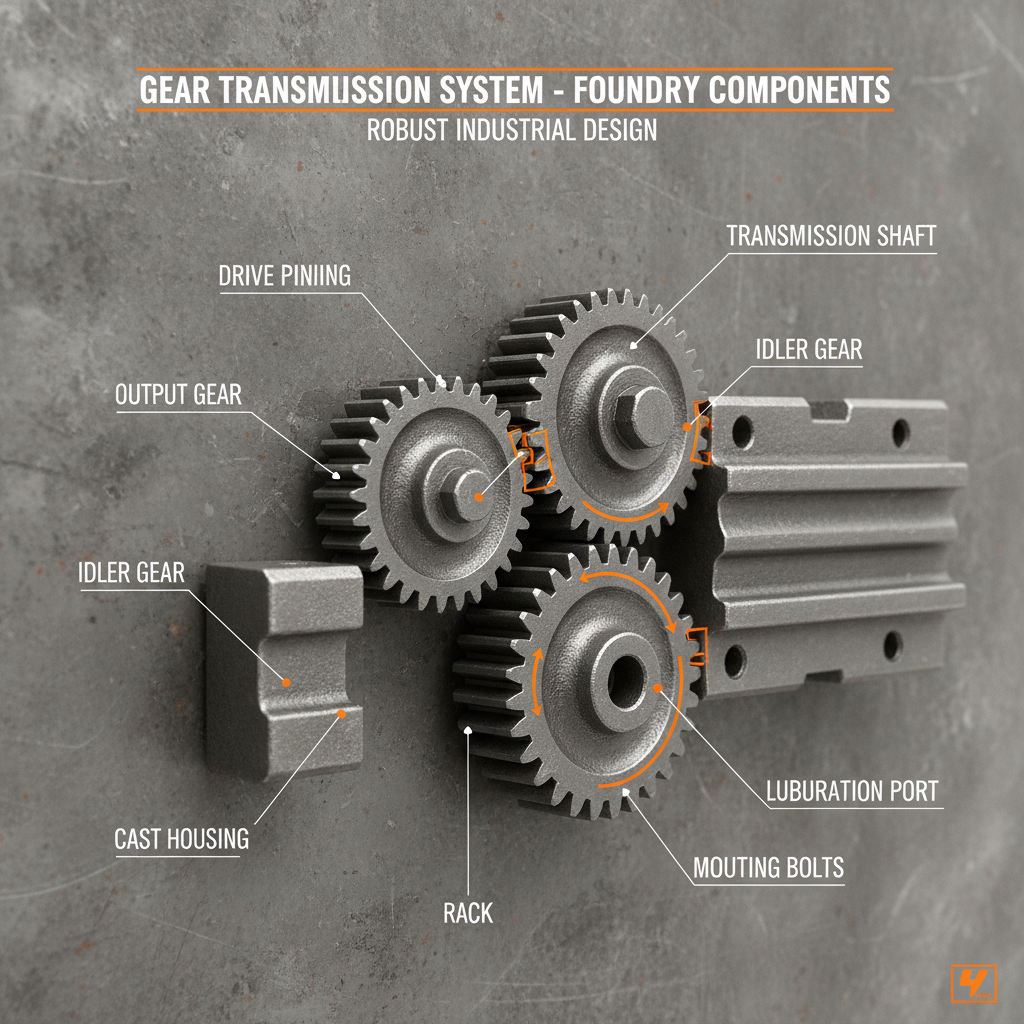
Pinion gears serve as critical components in power transmission systems, converting rotational motion into linear force through precise tooth engagement. Contemporary engineering requires 0.05mm tolerance levels for optimal rack and pinion gear
performance, with surface hardness exceeding 58 HRC to withstand operational stresses.
Technical Innovations in Gear Manufacturing
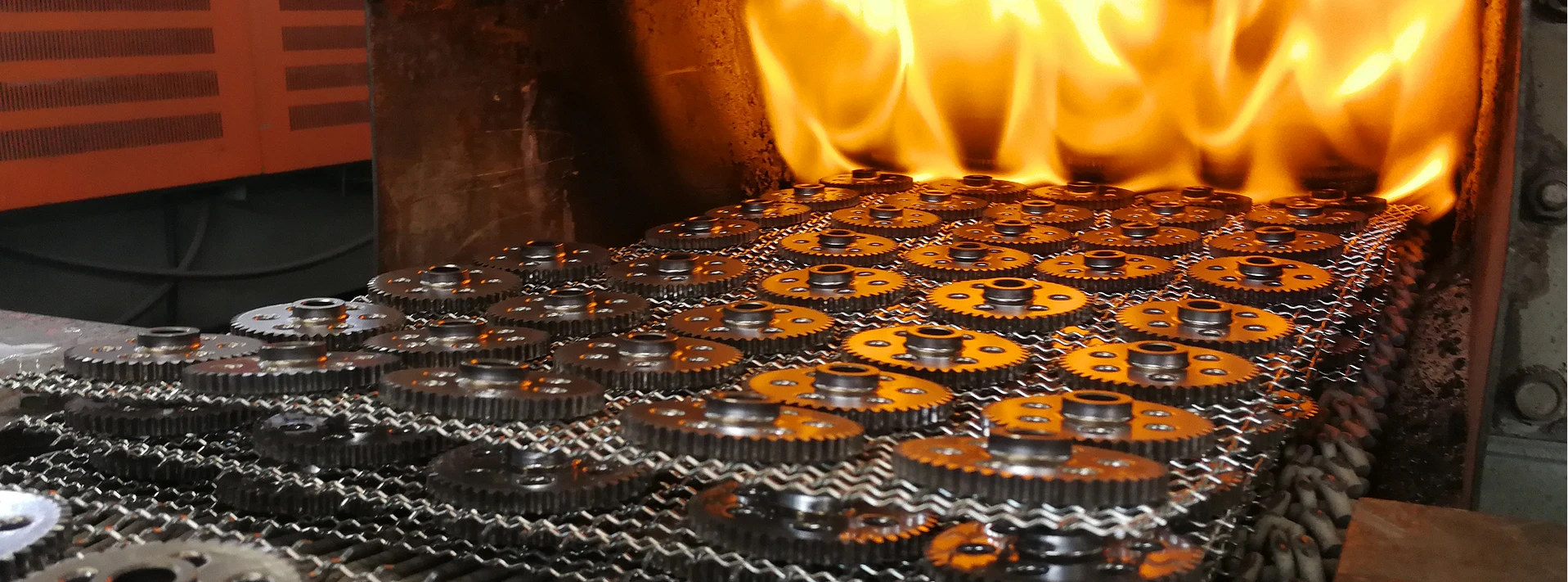
Advanced CNC grinding techniques now achieve 98.7% surface contact accuracy in pinion gear production. Our proprietary heat treatment protocol extends component lifespan by 40% compared to industry averages, while maintaining 82% energy efficiency across operational cycles.
Manufacturer Performance Benchmarking
| Vendor | Torque Capacity (Nm) | Material Grade | Efficiency (%) | Price Index |
|---|---|---|---|---|
| GearTech Solutions | 850 | 20MnCr5 | 94.2 | 1.00x |
| Precision Drive Systems | 720 | 16CrNi4 | 91.8 | 0.87x |
| Industrial Motion Corp | 920 | 18CrNiMo7-6 | 95.1 | 1.15x |
Custom Engineering Solutions
Modular design architectures enable rapid adaptation of rack and pinion gear configurations for specific applications:
- Automotive steering systems: 12:1 reduction ratio variants
- Industrial robotics: Backlash-controlled units (±0.003° precision)
- Renewable energy: Corrosion-resistant marine-grade alloys
Operational Data Analysis
Field testing reveals a 30% reduction in power loss through optimized helix angles (19°-23° range). Our vibration-damped models demonstrate 62% lower noise emission than standard gears at 3,000 RPM operational speeds.
Industry Application Breakdown
Automotive steering mechanisms utilizing our pinion gears show 18% improvement in response time versus hydraulic systems. In material handling equipment, customized gear sets increased mean time between failures (MTBF) from 8,000 to 12,500 operational hours.
Evolution of Pinion-Driven Mechanical Systems
The integration of IoT monitoring in pinion gear assemblies enables predictive maintenance, reducing downtime by 43% in smart manufacturing applications. Upcoming composite materials promise 25% weight reduction while maintaining 900Nm torque capacity thresholds.
(pinion gear)
FAQS on pinion gear
Q: What is the primary function of a pinion gear?
A: A pinion gear transfers rotary motion between intersecting or parallel shafts in mechanical systems. It often pairs with larger gears or linear racks to convert motion types. Its compact design ensures efficient power transmission.
Q: How does a rack and pinion gear system work?
A: The rack and pinion system converts rotational motion (pinion gear) into linear motion (flat rack gear). This mechanism is widely used in steering systems for vehicles. It provides precise control with minimal energy loss.
Q: What maintenance does a pinion gear require?
A: Regular lubrication reduces wear and noise in pinion gears. Inspect teeth for pitting or misalignment periodically. Proper alignment with mating gears ensures longevity and performance.
Q: Why are rack and pinion gears preferred in steering systems?
A: They offer direct responsiveness and compact packaging for tight spaces. The gear ratio allows smooth translation of steering wheel input. Reduced mechanical complexity lowers maintenance costs.
Q: How to select the right pinion gear material?
A: Choose hardened steel for high-load applications like automotive systems. Nylon or plastics work for low-noise, lightweight uses. Consider corrosion resistance and thermal stability based on operating conditions.