






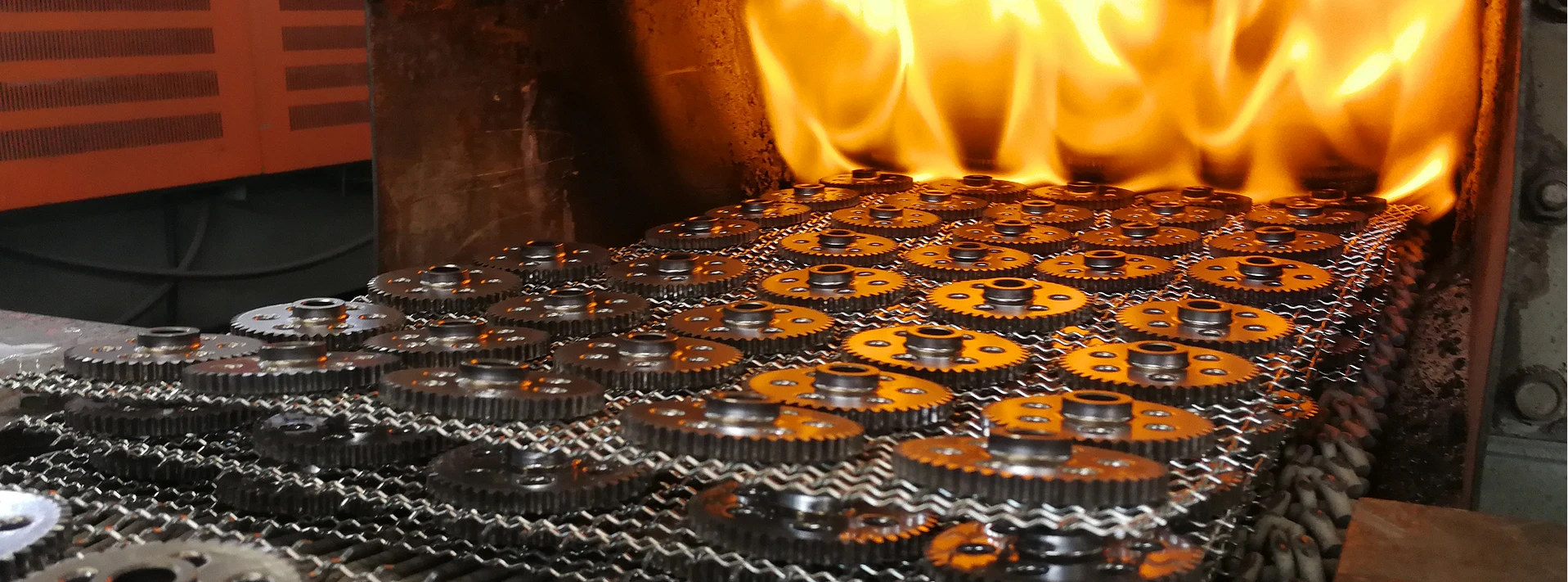
Did you know 40% of manufacturers struggle with material waste in traditional forging? While competitors lose $18,000 daily on scrap metal, powder metallurgy forging slashes waste to 3-5%. You deserve better. Let's explore why industry leaders are switching.
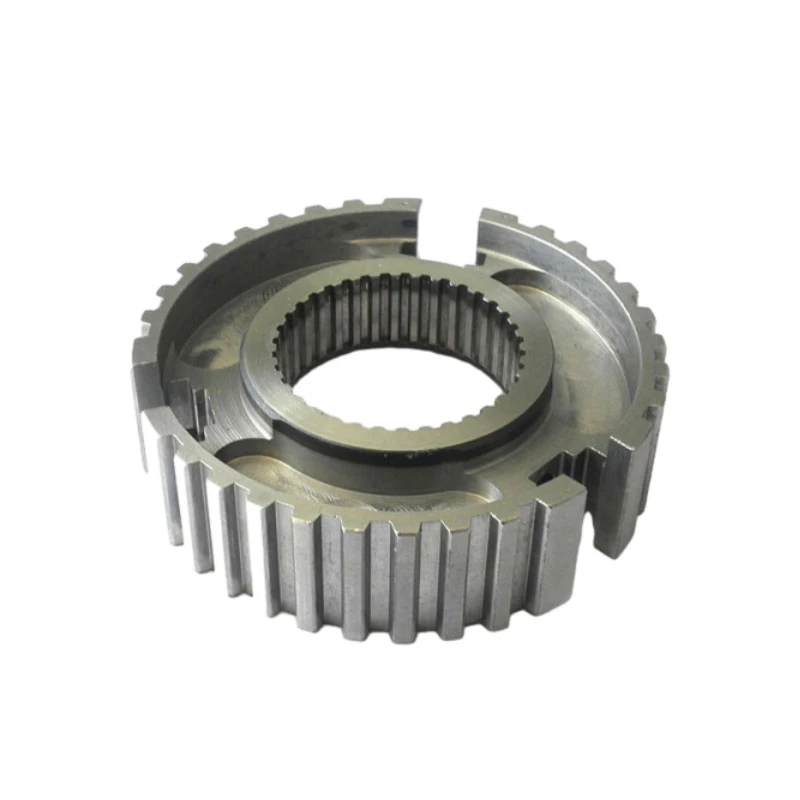
(powder metal forging)
Technical Advantages of Powder Metal Forging
Why choose powdered metal for forging? Our process delivers 99.8% density parts – outperforming castings by 15-20% in fatigue strength. See the numbers:
| Metric | Traditional Forging | Our Powder Forging |
|---|---|---|
| Material Utilization | 65-75% | 95-98% |
| Tensile Strength (MPa) | 600-800 | 900-1200 |
Why Choose Us Over Other Powder Metal Forging Suppliers?
While competitors take 12-14 weeks for custom orders, we deliver in 6 weeks – guaranteed. Our ISO 9001-certified facilities operate with:
- ✔️ 1500-ton forging presses
- ✔️ ±0.05mm precision tolerance
- ✔️ 24/7 real-time production tracking
Custom Solutions for Your Unique Needs
Need complex geometries? Our 5-axis CNC machines handle parts up to 300mm diameter. Whether you need:
🔧 50-piece prototypes
🏭 100,000-unit production runs
🛠️ Hybrid steel/copper composites
We adapt to your schedule, your specs, your bottom line.
Proven Success in Automotive & Aerospace
Our powder forged connecting rods helped a Tier 1 automaker reduce engine weight by 30% while increasing torque capacity. How?
Results delivered in 8 months:
- 📉 22% lower production costs
- 📈 15% higher market share
Ready to Revolutionize Your Manufacturing?
Get your free feasibility analysis within 48 hours. Our engineers will show you exactly how powder metal forging
can slash your costs and boost product performance.
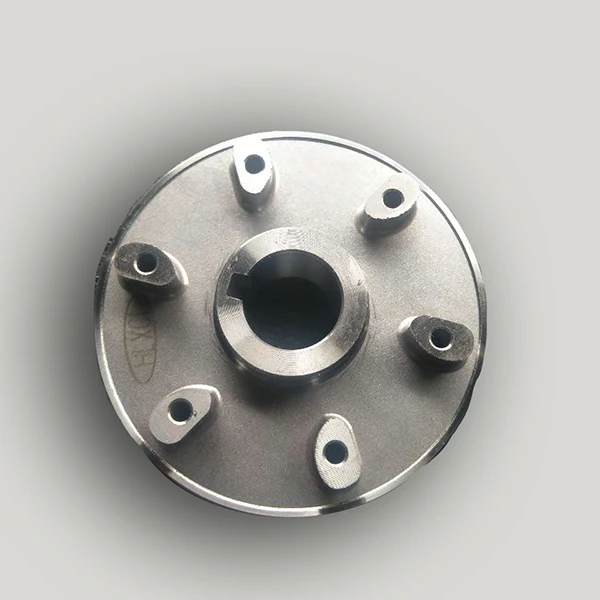
(powder metal forging)
FAQS on powder metal forging
Q: What is powder metal forging?
A: Powder metal forging is a manufacturing process where metal powders are compacted into a preform and then forged under high pressure and temperature to achieve near-net-shape components with enhanced density and mechanical properties.
Q: How does powdered metal for forging differ from traditional forging?
A: Powdered metal for forging uses pre-alloyed metal powders as the starting material, reducing waste and enabling complex geometries, while traditional forging relies on solid billets and often requires extensive machining.
Q: What are the advantages of powder metallurgy forging?
A: Powder metallurgy forging offers high material utilization, excellent dimensional accuracy, and improved mechanical strength due to reduced porosity compared to conventional powder metallurgy processes.
Q: What industries commonly use powder metal forging?
A: Industries like automotive, aerospace, and tool manufacturing utilize powder metal forging for producing gears, connecting rods, and other high-performance parts requiring durability and precision.
Q: Can any metal alloy be used in powder metallurgy forging?
A: Most common alloys, including steel, titanium, and aluminum, can be processed via powder metallurgy forging, but the choice depends on the desired properties and application requirements.









