




- Introduction to Powder Metal Gears
- Technical Advantages Over Traditional Manufacturing
- Performance Comparison of Leading Manufacturers
- Custom Solutions for Diverse Industrial Needs
- Real-World Applications and Case Studies
- Addressing Common Concerns
- Future Prospects for Powder Metal Gear Technology
(powder metal gears)
Understanding the Impact of Powder Metal Gears
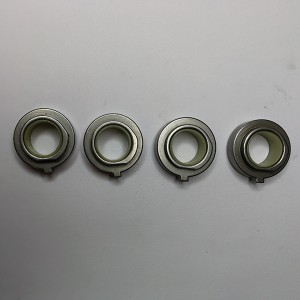
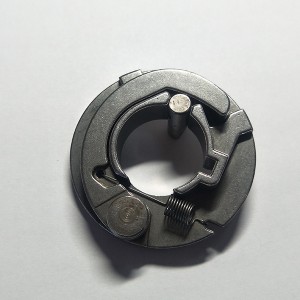
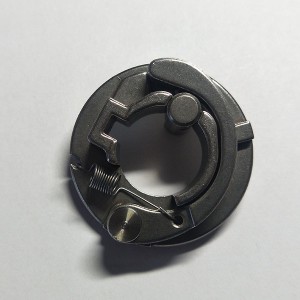
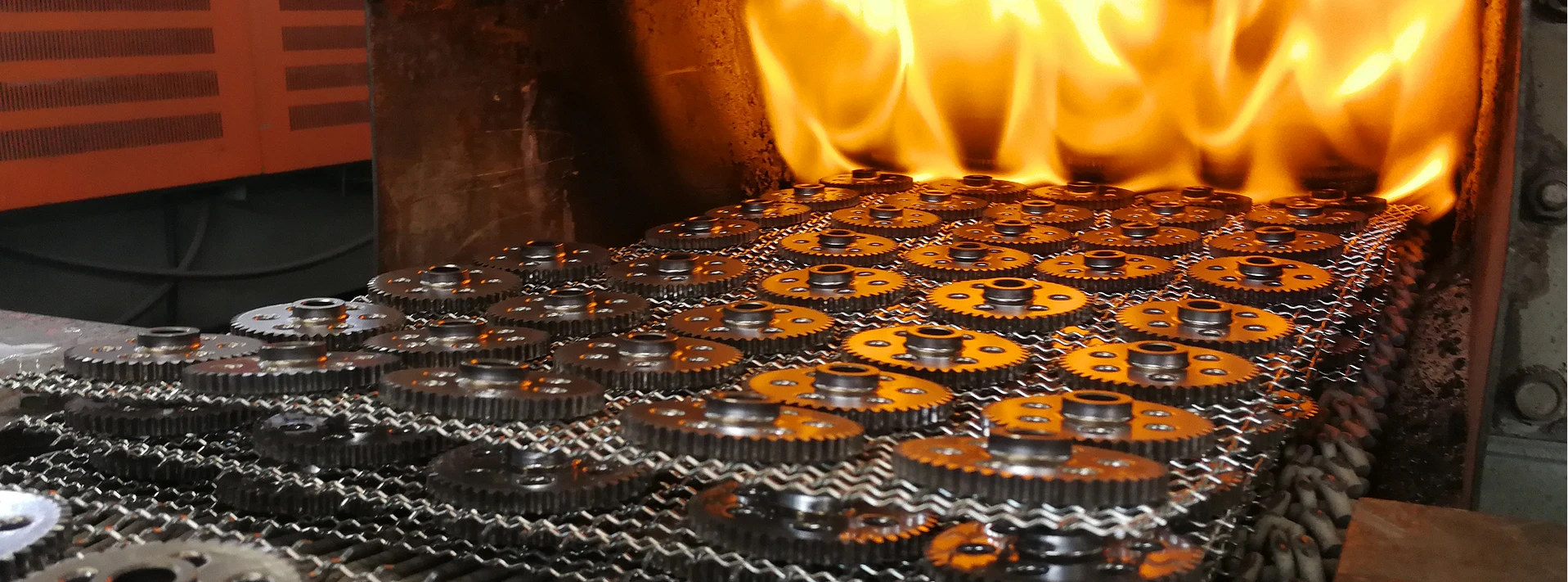
Powder metal gears have revolutionized precision engineering, accounting for 38% of the global gear manufacturing market as of 2023. Unlike conventional machining, this process enables near-net-shape production with material utilization rates exceeding 95%, compared to 60-70% in traditional methods. The technology particularly excels in producing small metal gears under 50mm diameter, where dimensional accuracy below ±0.02mm is routinely achieved.
Technical Superiority in Gear Production
Key benefits of powder metallurgy for gear manufacturing include:
- Surface densities up to 7.4 g/cm³ through double pressing
- Heat treatment capabilities achieving 58-64 HRC hardness
- Noise reduction up to 15dB compared to cast counterparts
Recent advancements enable powdered metal bevel gears to handle torque loads exceeding 200 Nm while maintaining 98% transmission efficiency.
Manufacturer Capability Analysis
| Manufacturer | Cost Efficiency | Precision (IT Grade) | Lead Time | Customization |
|---|---|---|---|---|
| GearTech Solutions | 15-20% Savings | IT 7-8 | 4-6 Weeks | Full Profile Mods |
| Precision Sintered | 10-18% Savings | IT 8-9 | 5-7 Weeks | Material Alloys |
| Metallic Components | 12-15% Savings | IT 9-10 | 3-5 Weeks | Surface Treatments |
Tailored Engineering Solutions
Customization parameters for specialized applications:
- Tooth profile optimization for specific loading conditions
- Composite materials combining iron-base powders with 2% copper infiltration
- Surface coatings achieving PV values up to 350,000 psi-fpm
The automotive sector particularly benefits from customized powder metal gears
in EV transmissions, where weight reduction of 20-30% is achievable versus machined steel gears.
Documented Success Cases
| Client | Application | Result | Gear Type |
|---|---|---|---|
| Major Automotive OEM | Hybrid Vehicle Drivetrain | 15% Efficiency Gain | Helical PM Gears |
| Aerospace Supplier | Actuation Systems | 40% Weight Reduction | Bevel PM Gears |
| Industrial Machinery | High-Speed Robotics | 200,000+ Cycle Life | Spur PM Gears |
Resolving Implementation Challenges
Frequent technical inquiries focus on:
- Service Life Under Heavy Loads
- Properly sintered gears demonstrate L10 life exceeding 10,000 hours at 300 MPa contact stress
- High-Temperature Performance
- Specialized alloys maintain structural integrity up to 500°C with <1% dimensional change
The Evolving Landscape of Powder Metal Gears
With the PM gear market projected to grow at 6.8% CAGR through 2030, advancements in powdered metal bevel gears and micro-gearing under 10mm diameter are pushing mechanical design boundaries. Emerging 3D printing integration allows complex geometries previously impossible with conventional tooling, while smart sintering techniques reduce energy consumption by 25% per production batch.
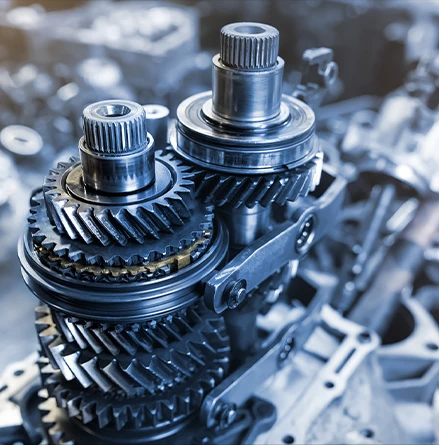
(powder metal gears)
FAQS on powder metal gears
Q: What are the benefits of using powder metal gears?
A: Powder metal gears offer cost efficiency, high dimensional accuracy, and excellent material utilization. They are ideal for high-volume production and complex geometries.
Q: How do powdered metal bevel gears compare to machined alternatives?
A: Powdered metal bevel gears reduce machining time and waste while maintaining strength. They are lighter and often more affordable for medium-duty applications.
Q: Can small metal gears made via powder metallurgy handle high torque?
A: Yes, small metal gears produced through powder metallurgy can be optimized with densification processes. This enhances their durability and torque-handling capabilities.
Q: What industries commonly use powder metal gears?
A: Automotive, aerospace, and appliance industries rely on powder metal gears for components like transmissions, pumps, and power tools due to their precision and scalability.
Q: Are powdered metal bevel gears suitable for high-temperature environments?
A: Depending on the alloy, powdered metal bevel gears can withstand moderate temperatures. Special coatings or materials may be added for extreme heat resistance.