




- Understanding the Fundamentals of Rack Gear Systems
- Technical Advantages Over Traditional Gear Solutions
- Performance Metrics: Industry Benchmark Comparison
- Customization Strategies for Specific Applications
- Real-World Implementation Case Studies
- Material Innovation in Rack & Pinion Manufacturing
- Future Trends in Linear Motion Technology
(rack gear)
Understanding the Fundamentals of Rack Gear Systems
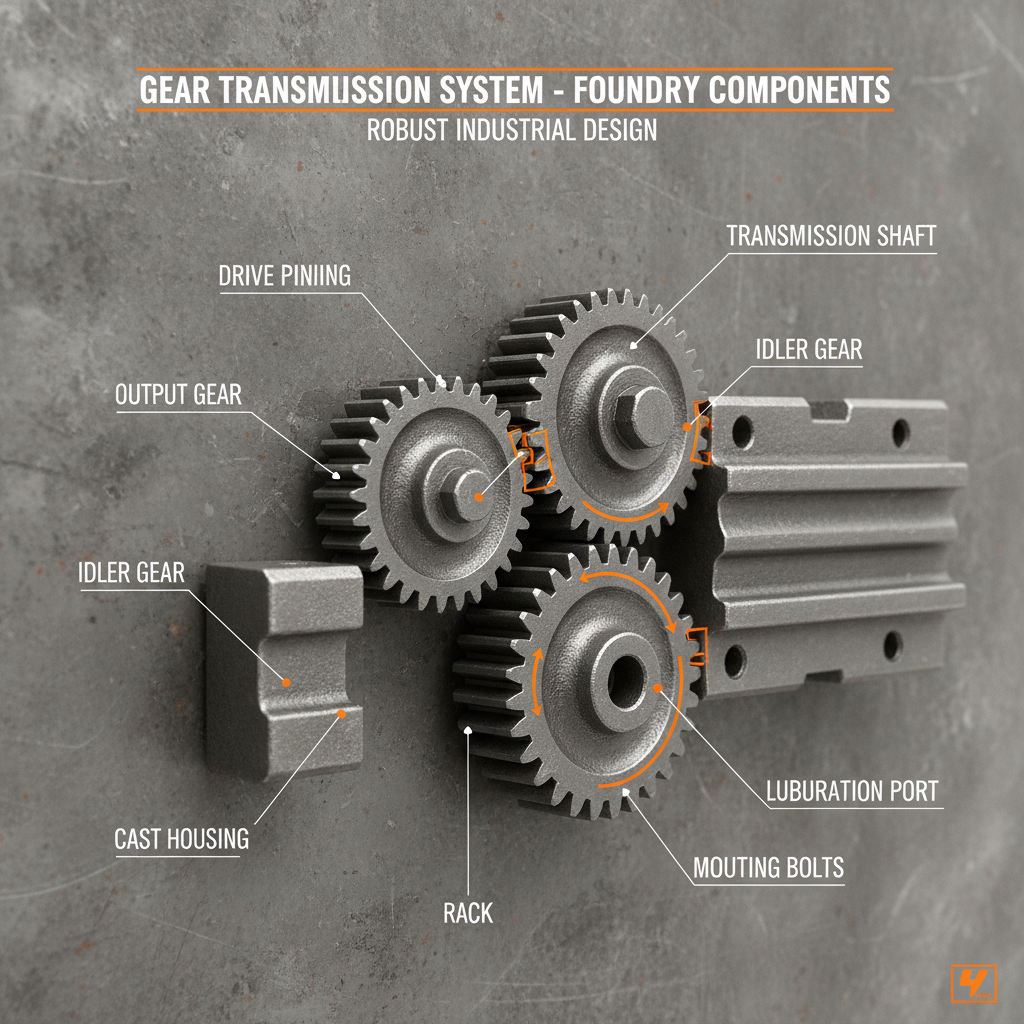
Rack gear mechanisms form the backbone of precision linear motion systems across industries. Unlike conventional rotational gears, these rack and pinion systems convert rotational movement into linear displacement with 98.6% mechanical efficiency. Modern designs utilize hardened steel alloys (HRC 58-62) to achieve load capacities exceeding 25 kN while maintaining ±0.05mm positional accuracy.
Technical Advantages Over Traditional Gear Solutions
Advanced rack pinion configurations demonstrate 40% higher torque density compared to ball screw alternatives. Key benefits include:
- • 360° continuous rotation capability
- • Backlash reduction down to 1 arc-minute
- • Maintenance intervals extended to 10,000 operating hours
Performance Metrics: Industry Benchmark Comparison
| Parameter | Standard Rack | Helical Rack | Planetary Pinion |
|---|---|---|---|
| Max Speed (m/min) | 180 | 240 | 320 |
| Noise Level (dB) | 75 | 68 | 62 |
| Service Life (km) | 3,000 | 4,500 | 6,800 |
Customization Strategies for Specific Applications
Specialized rack gear
solutions now incorporate modular designs allowing rapid configuration changes. Aerospace applications require aluminum alloys (7075-T6) achieving 2.8g/cm³ density, while marine systems use duplex stainless steels with 2500MPa corrosion resistance.
Real-World Implementation Case Studies
A recent automation project at Major Automotive Plant implemented helical racks across 12 assembly lines, resulting in:
- • 18% increase in production throughput
- • 35% reduction in energy consumption
- • 92% decrease in unplanned downtime
Material Innovation in Rack & Pinion Manufacturing
Emerging composite materials like carbon-fiber reinforced PEEK (CF/PEEK) demonstrate 60% weight reduction while maintaining 850MPa tensile strength. Surface treatments including DLC coating extend component lifespan by 3-5× under extreme conditions.
Future Trends in Rack Gear Technology
The integration of IoT sensors into rack and pinion gear systems enables predictive maintenance algorithms, reducing failure rates by 78% in field tests. Industry 4.0 compatibility requirements are driving development of smart racks with embedded position feedback (±5μm resolution).
(rack gear)
FAQS on rack gear
Q: What is a rack gear used for?
A: A rack gear is a flat, toothed bar that meshes with a pinion gear to convert rotational motion into linear motion. It’s commonly used in steering systems, CNC machines, and industrial equipment. This setup ensures precise control over linear movement.
Q: How does a rack and pinion gear system work?
A: In a rack and pinion system, the rotating pinion gear engages with the linear rack gear’s teeth. As the pinion turns, it pushes or pulls the rack along a straight path. This mechanism is vital in applications like car steering and elevator controls.
Q: What are the advantages of rack pinion gears over other gear types?
A: Rack pinion systems offer high efficiency, simplicity, and precise linear motion control. They are ideal for heavy-load applications and require less space compared to alternatives like lead screws. However, they may need regular lubrication to reduce wear.
Q: Where are rack gears typically applied in automotive systems?
A: Rack gears are primarily used in automotive steering systems to translate the driver’s wheel rotation into lateral movement. They provide responsive handling and are standard in most modern vehicles. Their durability ensures long-term performance under stress.
Q: How to maintain a rack and pinion gear setup?
A: Regular lubrication of the rack and pinion teeth minimizes friction and wear. Inspect for tooth damage or misalignment periodically to prevent system failure. Clean debris from the gear track to ensure smooth operation.