






Navigating the Advanced Manufacturing Landscape: Trends in Powdered Metal Technology
The global manufacturing sector is witnessing a transformative shift, driven by demands for greater efficiency, precision, and sustainability. Central to this evolution is the burgeoning prominence of powdered metal (PM) technology. This innovative process, rooted in creating near-net-shape components from finely divided metal powders, is revolutionizing product design and production across diverse industries. Current trends highlight a significant move towards complex geometries, higher performance alloys, and the integration of smart manufacturing principles. Companies are increasingly seeking PM solutions to achieve superior material utilization, minimize waste, and reduce the need for extensive secondary machining, which directly translates to substantial cost savings and accelerated time-to-market. The underlying force propelling this growth is the technology’s inherent ability to produce components with tailored properties—such as controlled porosity for self-lubrication or enhanced wear resistance—that are often unattainable through conventional methods like casting or machining from solid stock.
Furthermore, the demand for lightweight yet robust components in sectors like automotive, aerospace, and medical devices has amplified the adoption of powdered metal solutions. As manufacturers strive to meet stringent environmental regulations and improve energy efficiency, PM offers a pathway to engineered materials with optimized strength-to-weight ratios. The integration of advanced computational modeling and simulation tools at the design phase further refines the PM process, allowing for predictive analysis of material behavior and component performance. This proactive approach not only enhances product quality but also streamlines the development cycle, empowering businesses to respond agilely to market demands. The market for powdered metal part fabrication is projected for sustained growth, underscoring its pivotal role in the future of high-performance, cost-effective, and environmentally responsible manufacturing. This trajectory firmly establishes PM as a cornerstone technology for enterprises committed to innovation and operational excellence.
The Precision Art of Powdered Metal Manufacturing: A Detailed Process Overview
The production of powdered metal parts involves a meticulously controlled, multi-stage process that transforms raw metal powders into high-performance components. This sophisticated manufacturing methodology begins with Powder Blending, where elemental or pre-alloyed metal powders—such as iron, copper, nickel, or specialty alloys—are precisely mixed with lubricants and binders. This critical step ensures a homogeneous distribution of materials, which is vital for achieving uniform mechanical properties in the final product. Following blending, the mixture undergoes Compaction, where it is loaded into a rigid die and subjected to immense pressure, typically between 300 to 1000 MPa, using hydraulic or mechanical presses. This compaction process forms a "green compact," a fragile, porous part that holds its shape due to mechanical interlocking and cold welding of the powder particles. Unlike casting or forging, this stage avoids melting, preserving the distinct advantages of powder morphology.
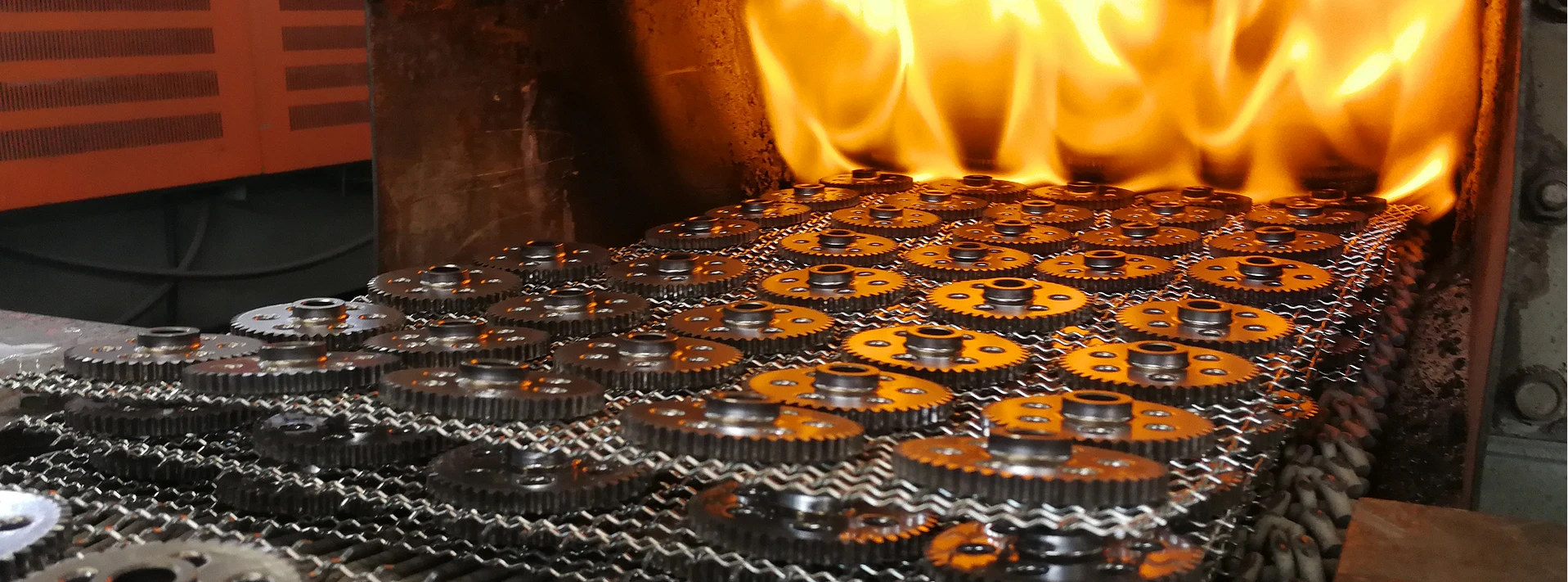
The green compact then proceeds to the Sintering furnace, the heart of the powdered metal process. Here, it is heated to a temperature below the melting point of the primary metal, typically in a protective atmosphere (e.g., hydrogen, nitrogen, or dissociated ammonia) to prevent oxidation. During sintering, atomic diffusion occurs at particle contact points, causing the particles to bond together, significantly increasing the part's density, strength, and integrity. This stage removes the lubricants and reduces porosity. Depending on the application, subsequent operations like Sizing or Coining may be employed to achieve tighter dimensional tolerances or improve surface finish. For instance, an Oil pump rotor stator made of Iron-based powdered metal relies on these precision steps to ensure critical dimensional accuracy and wear resistance. Further enhancements can include impregnation with oil for self-lubrication, heat treatment for increased hardness, or infiltration with a lower melting point metal for enhanced strength and ductility. Strict adherence to international standards such as ISO 9001, IATF 16949 (for automotive components), and ANSI/MPIF standards for material properties and testing ensures the highest quality output. The inherent benefits of this process include exceptional material utilization, net-shape or near-net-shape capabilities reducing post-processing, and the ability to produce complex geometries economically.
Technical Advantages and Performance Parameters of Powdered Metal Components
The technical prowess of powdered metal technology lies in its ability to produce components with optimized performance characteristics that often surpass those achieved through traditional manufacturing methods. One of the primary advantages is the exceptional dimensional precision and consistency attainable, leading to minimal or no post-sintering machining. This near-net-shape capability drastically reduces material waste and production costs. Furthermore, PM allows for the creation of unique material compositions and microstructures. For example, controlled porosity can be engineered into powdered metal parts for self-lubricating bearings, eliminating the need for external lubrication systems and extending service life in demanding environments like automotive engines or industrial machinery. Conversely, high-density PM parts can achieve strength and hardness comparable to wrought materials, making them suitable for structural applications.
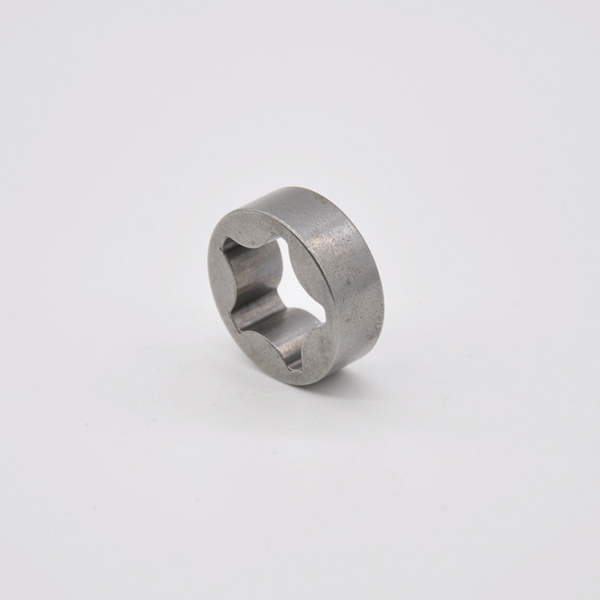
The flexibility in material selection is another critical benefit. Manufacturers can blend various metal powders to achieve specific mechanical, physical, or chemical properties, such as enhanced wear resistance, improved magnetic properties, or superior corrosion resistance in challenging environments like petrochemical and water treatment industries. Components can be engineered to be lightweight, contributing to energy efficiency in dynamic systems. For instance, the Oil pump rotor stator made of Iron-based powdered metal is a prime example where the technology enables complex profiles with high precision, essential for optimal fluid dynamics and pump efficiency. The high repeatability of the PM process ensures consistent quality across large production runs, critical for high-volume manufacturing. Below is a table illustrating typical performance parameters for various common powdered metal materials, showcasing the range of properties achievable through this versatile technology.
| Material Type | Density (g/cm³) | Tensile Strength (MPa) | Yield Strength (MPa) | Hardness (HRB) | Typical Porosity (%) |
|---|---|---|---|---|---|
| Iron (Fe) | 6.2 - 7.2 | 100 - 250 | 60 - 180 | 40 - 70 | 8 - 25 |
| Iron-Copper (Fe-Cu) | 6.5 - 7.0 | 150 - 350 | 100 - 250 | 50 - 80 | 10 - 20 |
| Iron-Nickel (Fe-Ni) | 7.0 - 7.4 | 300 - 700 | 200 - 600 | 70 - 95 | 5 - 15 |
| Stainless Steel (316L) | 6.8 - 7.5 | 350 - 550 | 180 - 350 | 60 - 85 | 5 - 15 |
| Bronze (Cu-Sn) | 6.4 - 7.2 | 120 - 250 | 80 - 180 | 40 - 70 | 15 - 30 |
The data presented showcases the versatility and engineered precision inherent in powdered metal technology, allowing for targeted material selection and design optimization to meet the most stringent application requirements.
Diverse Application Scenarios and Impactful Case Studies for Powdered Metal Components
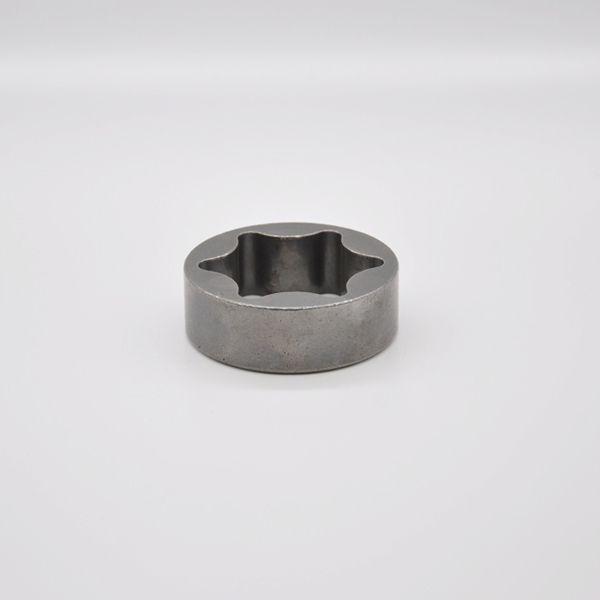
The versatility of powdered metal technology enables its extensive adoption across a myriad of industries, offering tailored solutions for complex engineering challenges. In the automotive sector, where stringent demands for weight reduction, fuel efficiency, and performance are paramount, PM components are indispensable. Applications range from critical engine parts like connecting rods, cam lobes, and valve guides to transmission gears, sprockets, and ABS sensor rings. Our flagship product, the Oil pump rotor stator made of Iron-based powdered metal, is an exemplary case. This component is crucial for efficient engine lubrication, and its production via PM ensures the intricate geometries, precise tooth profiles, and consistent density required for optimal fluid displacement and minimal operational noise. Utilizing iron-based powder metallurgy for this part yields exceptional wear resistance and dimensional stability over the product's extended service life, typically exceeding 150,000 miles in passenger vehicles, directly contributing to engine longevity and reliability.
Beyond automotive, powdered metal parts play a vital role in consumer appliances (e.g., gears in washing machines, structural components in power tools), industrial machinery (e.g., hydraulic pump components, gears, bearings), and medical devices (e.g., surgical instrument parts, orthopedic implants where biocompatible metal powders are used). In the petrochemical and metallurgy industries, PM components can be engineered for enhanced corrosion resistance and high-temperature stability, crucial for valves, pump impellers, and sensor housings that operate in harsh chemical environments. For water and drainage systems, self-lubricating powdered metal bearings offer maintenance-free operation, resisting corrosion and ensuring consistent performance in high-humidity or submerged conditions. A notable success story includes the development of a complex multi-level gear for an industrial robotics system, where PM offered significant cost savings and superior positional accuracy compared to traditional machining, due to its ability to produce the part as a single, integrated component with tight tolerances. This widespread applicability underscores PM's capability to deliver high-performance, cost-effective solutions for an evolving industrial landscape, consistently meeting or exceeding performance benchmarks established by industry giants and end-users alike.
Strategic Vendor Comparison and Tailored Powdered Metal Customization Solutions
Selecting the right partner for powdered metal part manufacturing is a critical decision that significantly impacts product performance, cost-effectiveness, and supply chain reliability. When evaluating potential vendors, discerning B2B decision-makers and technical personnel should prioritize several key criteria beyond just unit price. Expertise and experience are paramount; a top-tier manufacturer will possess extensive knowledge in material science, die design, and process optimization specific to diverse industry needs. This includes a deep understanding of how material composition, compaction pressure, and sintering parameters influence the final properties of powdered metal parts. State-of-the-art equipment, including high-tonnage presses and advanced sintering furnaces with atmosphere control, is essential for achieving tight tolerances and consistent quality. Furthermore, robust quality control systems, evidenced by certifications such as ISO 9001, IATF 16949 (for automotive), and adherence to MPIF standards, are non-negotiable for ensuring component reliability and compliance.
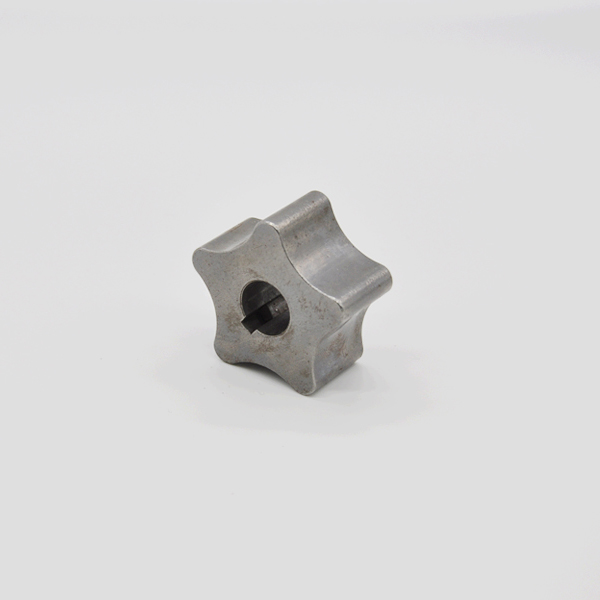
Our commitment to customization solutions sets us apart, transforming conceptual designs into tangible, high-performance powdered metal components. We engage in a collaborative design consultation process, beginning with an in-depth analysis of the application requirements, functional specifications, and environmental conditions. Our engineers work closely with clients to optimize part geometry for PM manufacturing, ensuring maximum material utilization and minimizing post-processing. This includes advising on material selection, from standard iron-based alloys—like those used in the Oil pump rotor stator made of Iron-based powdered metal—to specialized alloys for extreme environments. We offer comprehensive prototyping services, utilizing both traditional PM methods and advanced additive manufacturing techniques for rapid iteration and validation. This end-to-end support, from initial concept to full-scale production, ensures that the final product is not merely manufactured, but precisely engineered to meet and exceed performance expectations. Our long-standing partnerships with leading enterprises across petrochemical, automotive, and general industrial sectors, spanning over two decades, underscore our proven track record in delivering high-quality, customized powdered metal parts that drive innovation and operational efficiency for our clients globally.
Ensuring Excellence: Quality Assurance, Certifications, and Trustworthiness in Powdered Metal Production
For B2B clients, the assurance of quality, reliability, and trustworthiness from their manufacturing partners is paramount. In the realm of powdered metal components, a robust quality assurance framework is not merely a compliance measure but a foundational pillar of product integrity and customer confidence. Our comprehensive quality control system begins at the very initial stages with stringent incoming material inspection. This includes rigorous analysis of metal powder characteristics such as particle size distribution, flow rate, apparent density, and chemical composition, ensuring that only the highest-grade raw materials enter the production cycle. Throughout the manufacturing process, from powder blending and compaction to sintering and secondary operations, in-process monitoring is meticulously conducted. Critical parameters such as compaction pressure, sintering temperature profiles, and furnace atmosphere are continuously controlled and recorded using advanced sensor technology and statistical process control (SPC) methods to guarantee uniformity and prevent deviations.
Upon completion, every batch of powdered metal parts undergoes a battery of final product inspections and rigorous testing. This includes precise dimensional verification using CMMs (Coordinate Measuring Machines), mechanical property testing (e.g., tensile strength, hardness, fatigue testing), density measurements, and metallographic examination to analyze microstructure and porosity. Our commitment to quality is underscored by our adherence to globally recognized standards and certifications, including ISO 9001 for quality management systems and IATF 16949, specifically for the automotive industry, which dictates even more stringent requirements for quality and efficiency. These certifications, alongside over 20 years of dedicated service in the powdered metal industry and a portfolio of successful partnerships with Tier 1 suppliers and OEMs, serve as irrefutable proof of our authoritativeness and expertise. Regular third-party audits and continuous improvement initiatives, leveraging feedback from client satisfaction surveys, further strengthen our operational excellence and reinforce the trust placed in our ability to consistently deliver superior powdered metal part solutions. This unwavering dedication to quality ensures that components like the Oil pump rotor stator made of Iron-based powdered metal perform reliably under pressure, meeting the exacting standards of the most demanding applications.
Frequently Asked Questions (FAQ) About Powdered Metal Technology
Q1: What are the primary material options available for powdered metal parts?
A1: The versatility of powdered metal technology allows for a wide range of material compositions. Common materials include iron-based alloys (e.g., pure iron, iron-copper, iron-nickel, iron-phosphorus), which are extensively used for structural components due to their excellent strength and cost-effectiveness, as seen in the Oil pump rotor stator made of Iron-based powdered metal. Other prevalent options include stainless steel (e.g., 300 series, 400 series) for corrosion resistance, bronze (copper-tin) for self-lubricating bearings, and various specialty alloys tailored for specific magnetic, thermal, or wear-resistant properties. The ability to blend different metal powders and additives allows for highly customized material solutions to meet precise application requirements.
Q2: How do powdered metal components compare to parts manufactured by traditional methods like machining or casting?
A2: Powdered metal offers distinct advantages. Unlike machining, PM is a near-net-shape process, significantly reducing material waste and the need for costly, time-consuming secondary operations. This often translates to substantial cost savings, especially for complex geometries and high-volume production. Compared to casting, PM provides superior dimensional accuracy, better surface finish, and the ability to achieve controlled porosity or unique alloy compositions that are difficult or impossible to obtain via casting. While casting might be more suitable for very large components or simpler shapes, PM excels in producing intricate, high-precision small to medium-sized powdered metal parts with consistent properties and excellent repeatability.
Q3: What are the typical lead times for custom powdered metal part production?
A3: Lead times for custom powdered metal part production can vary based on complexity, material selection, and required secondary operations. Generally, the tooling development phase (for dies and punches) can take 6-12 weeks. Once tooling is complete and approved through prototyping, initial production runs can commence, with typical lead times for high-volume manufacturing ranging from 4-8 weeks, depending on order size and current production schedules. We work closely with our clients to establish realistic timelines and aim to optimize our processes for efficient delivery, ensuring a predictable supply chain. For highly specialized custom solutions, detailed project planning is conducted to provide accurate lead time estimates.
Q4: What quality certifications do you hold, and how do you ensure product reliability?
A4: We are deeply committed to maintaining the highest standards of quality and reliability in all our powdered metal products. Our facilities are certified to ISO 9001, demonstrating our robust quality management system. For automotive clients, we also hold IATF 16949 certification, which signifies our adherence to the most rigorous quality standards in the automotive industry. Product reliability is ensured through a multi-faceted approach: strict raw material inspection, continuous in-process control with real-time monitoring of critical parameters, and comprehensive final product testing. This includes dimensional verification, mechanical property analysis (tensile strength, hardness), density checks, and metallographic examination. Our proactive approach to quality, combined with our extensive experience, guarantees the consistent delivery of high-performance components.
Q5: Can you assist with the design optimization of powdered metal components?
A5: Absolutely. Our expertise extends beyond manufacturing; we offer comprehensive design consultation services to help clients optimize their components for the powdered metal process. Early involvement in the design phase allows us to identify opportunities for cost reduction, performance enhancement, and manufacturability improvements. Our engineering team leverages advanced simulation tools and deep knowledge of material science and PM capabilities to recommend optimal part geometries, material selections, and secondary operations. This collaborative approach ensures that the final powdered metal part not only meets but often exceeds the client's functional and economic expectations, facilitating a seamless transition from concept to high-volume production.
Commitment to Seamless Delivery and Unwavering Customer Support
In the demanding B2B landscape, a reliable supply chain and responsive customer support are as crucial as product quality. We are dedicated to providing a streamlined and efficient delivery process for all our powdered metal parts, ensuring that your components arrive on time and as specified. Our advanced production planning systems and logistics capabilities enable us to manage order fulfillment with precision, from tracking raw materials to coordinating final shipments. We understand the importance of consistent supply for uninterrupted client operations, and our team works proactively to communicate production updates and resolve any potential logistical challenges promptly. For high-volume projects, we implement just-in-time (JIT) or vendor-managed inventory (VMI) strategies where appropriate, to optimize your inventory levels and reduce holding costs, further enhancing the cost-effectiveness of utilizing powdered metal solutions.
Our commitment extends well beyond the point of delivery. We offer robust post-sales support, standing by the quality and performance of every powdered metal part we produce. Each component is backed by a comprehensive warranty, demonstrating our confidence in our manufacturing processes and materials. Should any queries or challenges arise post-delivery, our dedicated customer support team is readily available to provide technical assistance, address concerns, and facilitate solutions with efficiency and expertise. We actively solicit customer feedback to continuously improve our products and services, fostering long-term partnerships built on trust and mutual success. This holistic approach to client engagement, encompassing everything from initial design consultation for your Oil pump rotor stator made of Iron-based powdered metal to ongoing post-delivery support, underscores our dedication to being more than just a supplier, but a true strategic partner in your manufacturing endeavors.
Authoritative References
- German, R. M. (2014). Powder Metallurgy and Particulate Materials Processing. Metal Powder Industries Federation.
- ASM Handbook, Vol 7: Powder Metallurgy. (1998). ASM International.
- MPIF Standard 35: Materials Standards for P/M Structural Parts. (Latest Edition). Metal Powder Industries Federation.
- Strafford, K. N., Datta, P. K., & Googan, C. (2009). Surface Engineering for Corrosion and Wear Resistance. Woodhead Publishing.
- Sintering Theory and Practice. (2007). Wiley-Interscience.









