




Unlocking Industrial Efficiency with sintered metal Technology
In the rapidly evolving landscape of modern manufacturing, the demand for components that offer unparalleled strength, precision, and cost-efficiency has never been greater. Sintered metal technology, also known as powder metallurgy (PM), stands at the forefront of this innovation, providing solutions that conventional manufacturing methods often cannot match. This advanced process involves compacting powdered materials into a desired shape and then heating them below their melting point to bond the particles, creating highly durable and intricate sintered parts. The versatility of this method allows for the production of components with complex geometries, precise tolerances, and superior material properties, making it indispensable across a multitude of industries. Current industry trends reveal a significant shift towards lightweighting, enhanced performance, and sustainability, all of which are inherently supported by sintered metal technology. Manufacturers are increasingly seeking solutions that reduce material waste, energy consumption, and overall production costs while simultaneously improving the end product's reliability and lifespan. This unique combination of benefits positions sintered metal as a pivotal technology for addressing contemporary industrial challenges, driving innovation from automotive powertrains to sophisticated hydraulic systems. Its ability to create net-shape or near-net-shape components minimizes secondary machining operations, further contributing to its economic and environmental advantages.
The Intricate Manufacturing Process of Sintered Metal Components
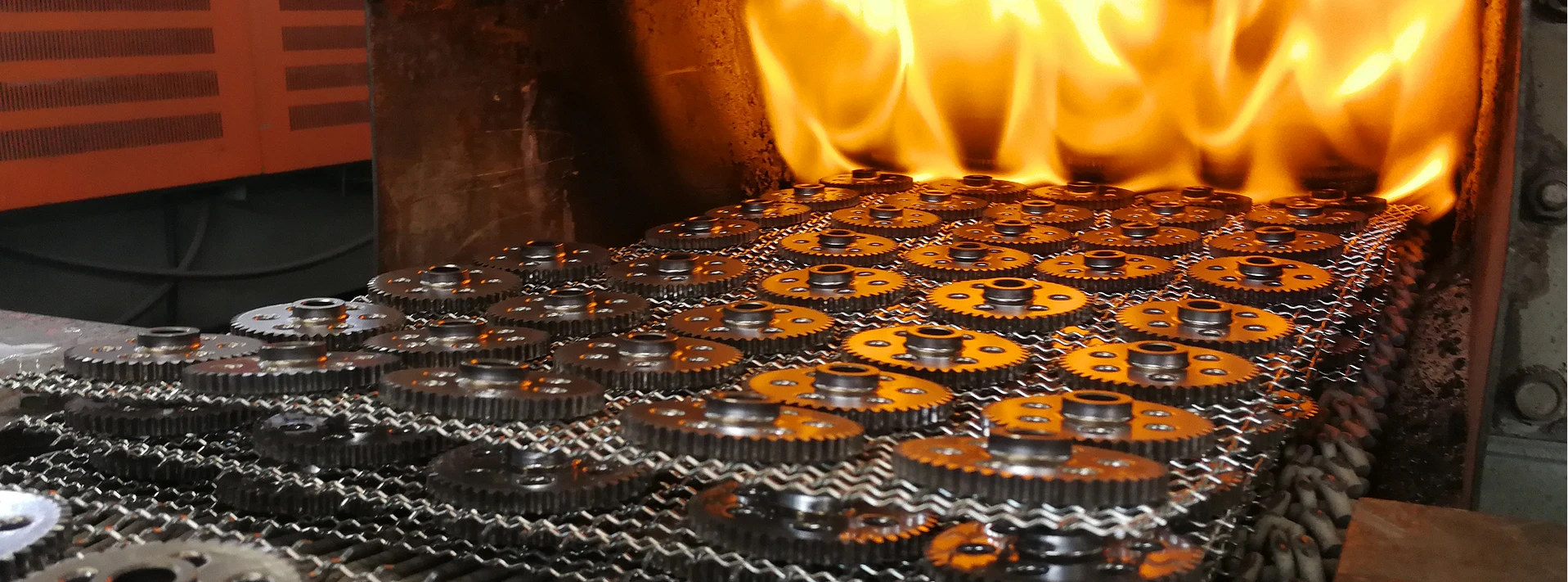
The production of sintered metal components is a meticulously controlled multi-stage process, beginning with the selection and preparation of high-quality metal powders. Common materials include various grades of steel, copper, bronze, aluminum, and even specialized alloys, each chosen based on the desired mechanical and physical properties of the final product, such as density, hardness, and corrosion resistance. The initial step involves powder blending, where different metal powders and lubricants are mixed to achieve a homogeneous composition. This is followed by compaction, where the mixed powder is pressed under immense pressure, often ranging from 400 to 1000 MPa, in a rigid die to form a "green" compact, which is a fragile, porous component holding its shape. The subsequent critical stage is sintering, where the green compact is heated in a controlled atmosphere furnace to temperatures below the melting point of the primary material. During sintering, atomic diffusion occurs at particle contact points, leading to metallurgical bonding, reduction in porosity, and significant increase in strength. Post-sintering operations may include sizing, coining, infiltration, heat treatment, or steam treating to achieve precise dimensions, higher densities, enhanced hardness, or improved corrosion resistance. For instance, sintered gears often undergo specific heat treatments to achieve the required surface hardness and wear resistance. Throughout this entire process, adherence to stringent inspection standards such as ISO and ANSI is paramount, ensuring dimensional accuracy, material integrity, and consistent performance, particularly for critical applications in petrochemical, metallurgy, and water/wastewater industries where component failure can have severe consequences. This rigorous quality control ensures that each sintered metal component meets precise specifications and delivers optimal operational lifespan.
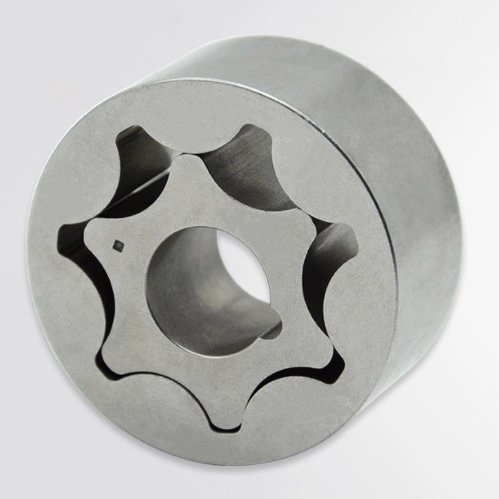
The meticulous control over each stage of the powder metallurgy process allows for the customization of material properties to suit specific application demands. For example, by controlling the compaction pressure and sintering temperature, the final density and porosity of sintered parts can be precisely managed. This capability is crucial for applications requiring specific levels of permeability for fluid flow, such as filters, or for maximizing strength and wear resistance in highly stressed components like sintered gears. The inherent advantage of achieving near-net-shape components directly from the sintering furnace significantly reduces the need for extensive secondary machining operations like casting, forging, or complex CNC processing, which are often costly and time-consuming. This reduction in machining translates directly into lower production costs, faster lead times, and less material waste, aligning perfectly with modern manufacturing's lean principles. Furthermore, the ability to combine different metal powders and non-metal elements in the initial blending stage opens up possibilities for creating composite materials with unique properties not achievable through traditional alloying. For instance, combining steel powders with graphite can produce self-lubricating bearings, while adding ceramic particles can enhance hardness and wear resistance. The flexibility and precision offered by the sintered metal process ensure that components like hydraulic pump gerotors meet the stringent requirements for efficiency, durability, and reliability in their demanding operational environments, providing advantages such as improved energy efficiency and enhanced corrosion resistance due to engineered porosity and surface treatments.
Technical Parameters and Performance Metrics of Sintered Metal
Understanding the technical parameters of sintered metal is crucial for engineers and designers to select the optimal material for specific applications. Key parameters include density, which directly impacts mechanical strength and hardness, with higher densities generally correlating to superior performance. Porosity, inversely related to density, refers to the void spaces within the material; while typically minimized for strength, controlled porosity can be beneficial for self-lubricating properties or filtration. Tensile strength and yield strength measure the material's resistance to breaking under tension and its ability to withstand deformation, respectively. Hardness, often measured using Rockwell or Brinell scales, indicates resistance to indentation and wear. Fatigue resistance, crucial for components subjected to cyclic loading, describes the material's ability to endure repeated stresses without failure. Additionally, corrosion resistance and heat resistance are vital for components operating in harsh environments, such as those found in the petrochemical or automotive sectors. These parameters collectively determine the operational lifespan, reliability, and efficiency of sintered parts. For example, a "Manufacturer customized sintered gerotor for hydraulic pump" requires excellent wear resistance and high density to maintain volumetric efficiency and extend service life under high-pressure conditions. The following table provides typical parameter ranges for common sintered metal materials, illustrating the diverse capabilities of this technology for various industrial requirements, from high-strength structural components to precision sintered gears.
| Parameter | Sintered Steel (Fe-C) | Sintered Bronze (Cu-Sn) | Sintered Stainless Steel |
|---|---|---|---|
| Density (g/cm³) | 6.8 - 7.5 | 6.0 - 7.2 | 6.5 - 7.8 |
| Tensile Strength (MPa) | 250 - 900 | 100 - 250 | 350 - 700 |
| Yield Strength (MPa) | 150 - 600 | 80 - 180 | 200 - 450 |
| Hardness (HRB) | 50 - 100 | 30 - 70 | 60 - 95 |
| Porosity (%) | 5 - 15 | 10 - 25 | 8 - 18 |
The performance of sintered metal components is not solely determined by these intrinsic material properties but also by the precision of their manufacturing and the quality control applied throughout the production cycle. For critical applications, components undergo rigorous testing, including metallurgical analysis, dimensional inspection, and performance testing under simulated operational conditions to validate their integrity and functionality. This meticulous approach ensures that each sintered part, whether it's a structural bracket or a complex hydraulic pump gerotor, meets the highest standards for durability, consistency, and long-term reliability. By leveraging the specific advantages of sintered metal, such as its ability to produce complex shapes with tight tolerances, industries can achieve significant improvements in product performance, reduce component weight, and streamline assembly processes. This often translates into enhanced energy efficiency for the end system and a longer, more reliable service life for the equipment in which these components are integrated, a crucial factor in sectors like automotive, industrial machinery, and fluid power systems where reliability is paramount.
Diverse Applications and Real-World Advantages
The versatility and inherent advantages of sintered metal technology have led to its widespread adoption across an impressive array of industries. In the automotive sector, sintered parts are integral to engines, transmissions, and chassis systems, producing components such as connecting rods, valve seats, synchronizer hubs, and sintered gears. Their ability to achieve complex geometries with high precision and strength contributes to fuel efficiency and reduced noise, vibration, and harshness (NVH). The industrial machinery sector relies heavily on sintered metal for robust and durable components like bearings, cams, and structural elements in power tools, home appliances, and agricultural equipment, benefiting from cost-effectiveness and excellent wear properties. Hydraulic systems, a core application area, extensively use sintered parts, with the "Manufacturer customized sintered gerotor for hydraulic pump" being a prime example. These gerotors benefit from the precise control over density and porosity, which is vital for maintaining fluid efficiency and reducing internal leakage, leading to enhanced energy-saving capabilities and prolonged pump lifespan. For instance, a well-designed sintered metal gerotor can operate efficiently at high pressures and temperatures, critical for heavy machinery and industrial fluid power applications. Beyond these, sintered metal finds applications in aerospace for lightweight yet strong structural elements, in medical devices for biocompatible implants, and in the petrochemical industry for corrosion-resistant components due to the ability to process specialized alloys.
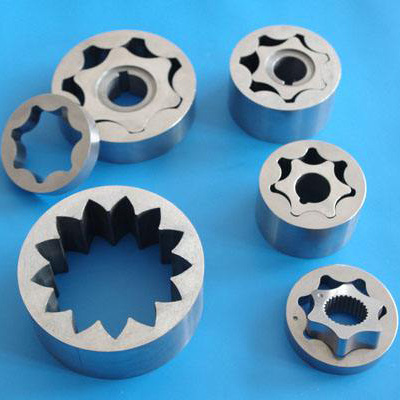
The technical advantages of sintered metal are manifold. First, it offers unparalleled material utilization, with minimal scrap generated compared to machining from solid stock, leading to significant cost savings and environmental benefits. Second, its net-shape or near-net-shape capability drastically reduces or eliminates the need for expensive secondary machining, which is particularly beneficial for complex geometries that would be challenging or impossible to produce economically via casting or forging. Third, the controlled porosity allows for the creation of unique properties, such as self-lubricating bearings by impregnating with oil, or specialized filters. Fourth, the ability to produce components with tailored properties by blending different metal powders and additives provides immense design flexibility. This means that a sintered metal part can be engineered precisely for its application, whether it requires exceptional wear resistance, specific magnetic properties, or high corrosion resistance, ensuring optimal performance and extended lifespan in demanding environments. For example, in an aggressive chemical environment, selecting a stainless steel sintered metal composition and applying specific post-sintering treatments can enhance its anti-corrosion properties significantly, ensuring reliability and reducing maintenance costs for the end-user. The cumulative effect of these advantages is improved product performance, reduced total cost of ownership, and enhanced sustainability, making sintered metal a preferred choice for forward-thinking manufacturers.
Customization and Partnership: Delivering Tailored Sintered Solutions
In the specialized field of sintered metal components, a one-size-fits-all approach is rarely effective. The nuances of specific industrial applications demand highly customized solutions that precisely meet unique performance, dimensional, and material requirements. A reputable manufacturer understands that true value lies in partnering with clients to develop bespoke sintered parts from concept to production. This process typically begins with a thorough consultation, where engineers collaborate to understand the application's demands, operating conditions, and desired component lifespan. Based on this, expert material scientists recommend optimal powder compositions and alloying elements to achieve the required mechanical properties, such as specific strength, hardness, or corrosion resistance. For instance, designing a "Manufacturer customized sintered gerotor for hydraulic pump" involves meticulous attention to the internal geometry, tooth profiles, and material selection to ensure maximum volumetric efficiency and minimal wear under high-pressure, high-cycle conditions. The design phase leverages advanced CAD/CAE tools for simulation and optimization, followed by rapid prototyping to validate the design before mass production. This iterative development cycle ensures that the final product is perfectly tailored to the client's needs, often resulting in superior performance and cost savings compared to off-the-shelf alternatives.
The capability for advanced customization extends to complex components like sintered gears, where precision in tooth profiles, material density for strength, and surface finish for noise reduction are paramount. Manufacturers specializing in sintered metal leverage decades of experience and robust engineering expertise to translate intricate designs into tangible, high-performance sintered parts. When selecting a vendor, key considerations include their engineering capabilities, proven track record, adherence to international quality standards (like ISO certifications), and their capacity for flexible production volumes, from prototype runs to high-volume manufacturing. An experienced partner offers not just manufacturing capabilities but also technical support and innovation, continuously exploring new materials and processes to push the boundaries of sintered metal technology. This collaborative approach fosters long-term relationships, ensuring that clients receive not only high-quality components but also strategic insights that can optimize their overall system design and performance.
Ensuring Trust and Excellence: Quality, Certification, and Support
Trust is the cornerstone of any successful B2B relationship, especially in the highly technical domain of sintered metal manufacturing. A reputable manufacturer differentiates itself through unwavering commitment to quality, backed by verifiable certifications and transparent operational practices. Authoritativeness is established through adherence to international standards such as ISO 9001 for quality management systems, demonstrating a consistent focus on customer satisfaction and continuous improvement. Rigorous internal testing protocols, encompassing metallurgical analysis, precise dimensional inspection, and comprehensive performance testing under simulated real-world conditions, ensure that every batch of sintered parts meets or exceeds specification. Decades of service in the industry and established partnerships with leading companies across various sectors further attest to a manufacturer's experience and reliability. For instance, the "Manufacturer customized sintered gerotor for hydraulic pump" must perform flawlessly under extreme pressure and temperature variations, making stringent quality control, from raw material inspection to final product verification, absolutely non-negotiable. This meticulous approach reduces the risk of component failure, minimizes costly downtime for clients, and enhances the overall safety and reliability of the end product.
Building trustworthiness extends beyond certifications to include comprehensive customer support and clear communication channels. A dedicated FAQ module addresses common queries regarding material selection, design considerations, and performance expectations. Transparent delivery cycle explanations, detailing lead times for prototyping and mass production, allow clients to plan their projects with confidence. Furthermore, robust warranty commitments underscore confidence in product quality, offering peace of mind and long-term security for investments in sintered metal components. Responsive technical support, available to assist with post-installation queries or performance optimization, ensures a seamless customer experience. Client feedback often highlights how partnering with a manufacturer committed to these principles has led to significant improvements in their product lines, such as extended operational lifespan of their machinery, enhanced energy efficiency due to precision sintered parts, and reduced assembly times. This holistic approach to quality, service, and support fosters long-term partnerships built on mutual trust and a shared commitment to excellence in the application of sintered metal technology.
Frequently Asked Questions (FAQ)
-
Q: What are the primary advantages of sintered metal over traditional machining?
A: Sintered metal offers cost-effectiveness due to minimal material waste (near-net-shape production), complex geometry capability, excellent surface finish, and often superior material properties like controlled porosity for specific applications (e.g., self-lubrication). -
Q: How does the manufacturing process ensure the quality of sintered parts?
A: Quality is ensured through stringent raw material selection, precise control over compaction pressure and sintering temperature, and rigorous post-sintering inspections including dimensional checks, metallurgical analysis, and performance testing, often complying with ISO and ANSI standards. -
Q: Can sintered metal components be customized for specific applications?
A: Absolutely. Customization is a core strength of sintered metal technology. Manufacturers work closely with clients to tailor material composition, density, and geometry to meet unique performance requirements, as exemplified by specialized sintered gears or gerotors for hydraulic pumps.
Delivery & Warranty
Our standard delivery cycle for custom sintered parts typically ranges from 4-6 weeks for prototyping, followed by 8-12 weeks for initial mass production orders, depending on complexity and volume. We offer comprehensive warranty coverage on all manufactured components, reflecting our confidence in our quality and durability. Specific terms and conditions are detailed in client agreements.
Conclusion & Forward Outlook
Sintered metal technology continues to redefine the capabilities of component manufacturing, offering a compelling blend of precision, performance, and economic efficiency. Its ability to produce complex, high-strength sintered parts with minimal waste positions it as a cornerstone of sustainable industrial production. From critical hydraulic pump gerotors ensuring fluid power efficiency to precision sintered gears in automotive transmissions, the applications are as diverse as they are impactful. As industries push for lighter, more durable, and more energy-efficient solutions, the role of sintered metal will only expand. Future innovations in powder metallurgy, including advancements in additive manufacturing and novel material compositions, promise even greater versatility and performance benefits. Partnering with a skilled and reputable manufacturer is key to harnessing the full potential of this advanced technology, ensuring that your industrial needs are met with components that excel in quality, reliability, and cost-effectiveness. The continuous evolution of this field ensures that it will remain a vital technology for driving the next generation of industrial innovation.
References
- German, R. M. (2014). Powder Metallurgy and Particulate Materials Processing. Metal Powder Industries Federation.
- ASM Handbook, Volume 7: Powder Metallurgy. (1998). ASM International.
- Kuhn, H. A., & Antes, H. W. (2012). Powder Metallurgy Processing: New Techniques and Analyses. Academic Press.