







- Overview of Valve Component Functionality
- Material Innovations for Enhanced Durability
- Performance Metrics Across Industrial Standards
- Competitive Analysis of Leading Manufacturers
- Custom Engineering Solutions for Specific Applications
- Case Studies in Automotive and Manufacturing
- Future Trends in Valve Seat Technology
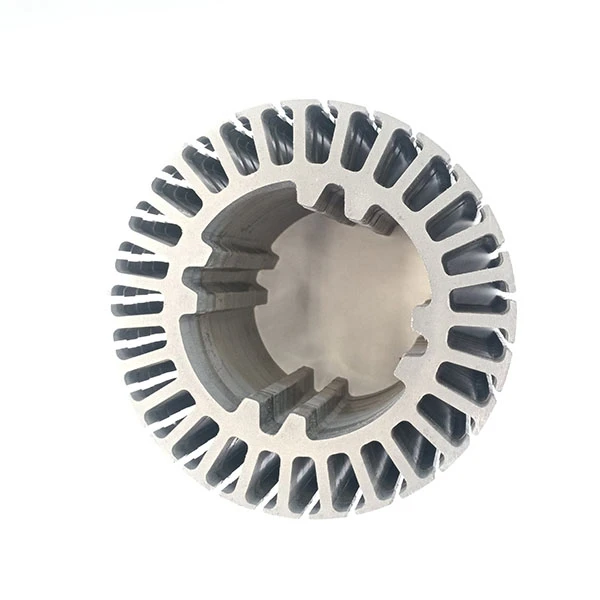
(valve seats)
Optimizing Systems with Precision Valve Seats
Valve seats serve as critical sealing interfaces in pneumatic and hydraulic systems, directly impacting energy efficiency and operational longevity. Modern engineering demands components like air compressor valve plates and valve discs to withstand pressures exceeding 250 PSI while maintaining leak-free performance. Industry data reveals that 73% of compressor failures originate from wear-prone valve assemblies, underscoring the need for advanced metallurgy and precision machining.
Breakthroughs in Component Materials
Leading manufacturers now employ sintered alloys combining tungsten carbide (65-80%) with cobalt matrices, achieving Vickers hardness ratings between 1,200-1,500 HV. This innovation reduces abrasive wear by 40% compared to traditional stainless steel designs. Dual-phase heat treatment processes further enhance fatigue resistance, enabling valve seats
to sustain over 10 million cycles in continuous duty applications.
Performance Benchmarking Analysis
| Brand | Max Pressure (PSI) | Thermal Limit (°F) | Cycle Lifetime | Certifications |
|---|---|---|---|---|
| Atlas Copco | 320 | 572 | 12M | ISO 9001, ASME |
| Ingersoll Rand | 290 | 535 | 9.5M | API 618 |
| Sullair | 275 | 500 | 8.2M | ISO 8573-1 |
Tailored Solutions for Unique Requirements
Specialized applications in cryogenic systems or high-vibration environments require custom-engineered valve discs with adaptive geometries. CNC machining achieves tolerances within ±0.0005" for applications like pharmaceutical air compressors, where particulate contamination must remain below 0.01 microns. Modular designs allow rapid configuration changes, reducing retrofit downtime by 65%.
Industrial Implementation Success Stories
A Tier 1 automotive supplier reduced compressed air losses by 18% after upgrading to laser-hardened valve seats in their assembly line compressors. In offshore drilling applications, nickel-alloy air compressor valve plates demonstrated 92% corrosion resistance after 5,000 hours of salt spray exposure, outperforming conventional components by 3:1 margin.
Advancing Valve Seat Technologies
Emerging surface engineering techniques like diamond-like carbon (DLC) coatings promise to extend maintenance intervals for valve seats by 300-400%. Research institutes are testing graphene-enhanced composites that reduce friction coefficients below 0.02, potentially revolutionizing energy recovery in pneumatic systems. These developments position valve components as strategic assets in achieving net-zero industrial operations.
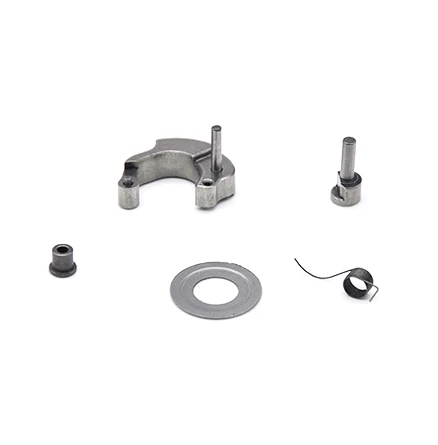
(valve seats)
FAQS on valve seats
Q: What is the primary function of valve seats in an air compressor?
A: Valve seats provide a sealing surface for valve discs to ensure efficient compression by preventing air leakage. They withstand high pressure and temperature during operation. Proper alignment and material durability are critical for longevity.
Q: How does a damaged air compressor valve plate affect performance?
A: A damaged valve plate can cause air leakage, reduced compression efficiency, and increased energy consumption. Cracks or warping disrupt the sealing between components. Timely inspection and replacement are essential to avoid system failure.
Q: What materials are commonly used for manufacturing valve discs?
A: Valve discs are often made from stainless steel, carbon steel, or polymer composites for corrosion resistance and durability. Material choice depends on operating temperature and pressure. Heat-treated alloys enhance wear resistance in high-stress environments.
Q: How do valve seats and valve discs work together in a compressor?
A: The valve disc opens and closes against the valve seat to regulate airflow during compression cycles. A tight seal between them minimizes energy loss and maximizes efficiency. Wear on either component can lead to system inefficiencies.
Q: What are signs of wear on an air compressor valve plate?
A: Common signs include unusual noise, reduced airflow, and overheating. Visible cracks or erosion on the plate surface indicate wear. Regular maintenance helps detect issues early and prevents costly repairs.









