




- Introduction to Gear Mechanisms in Modern Engineering
- Technical Advantages of High-Performance Gear Systems
- Manufacturer Comparison: Durability and Precision Metrics
- Custom Solutions for Industrial Gear Applications
- Material Innovation in Gear Manufacturing
- Case Study: Automotive Transmission Systems
- Future Trends in Gear Technology Development
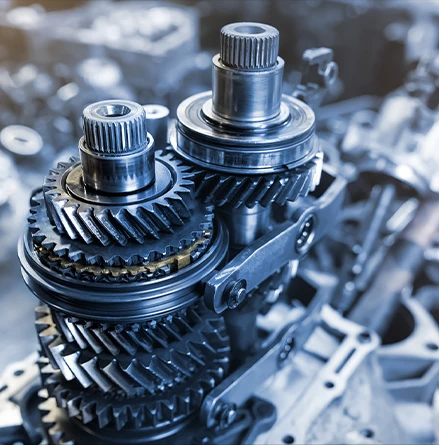
(main types of gears)
Understanding the Main Types of Gears in Mechanical Systems
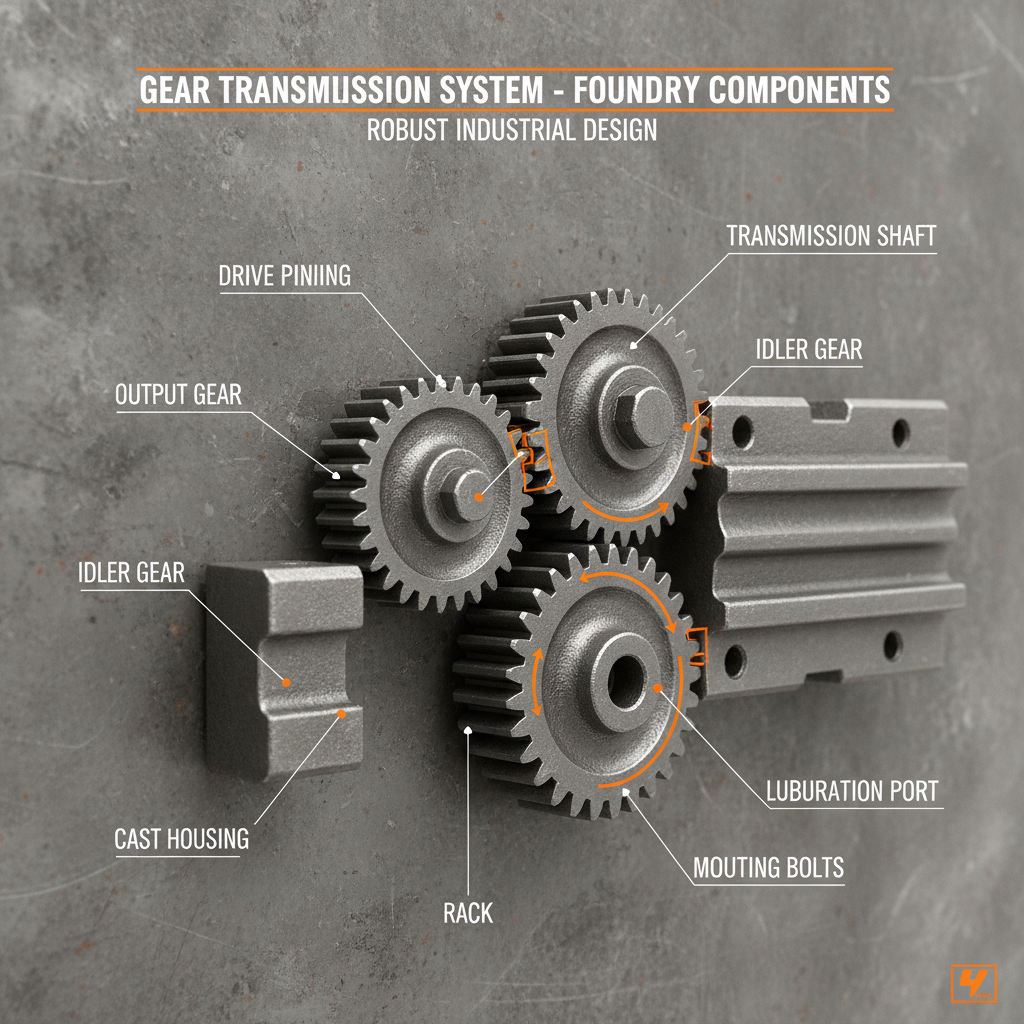
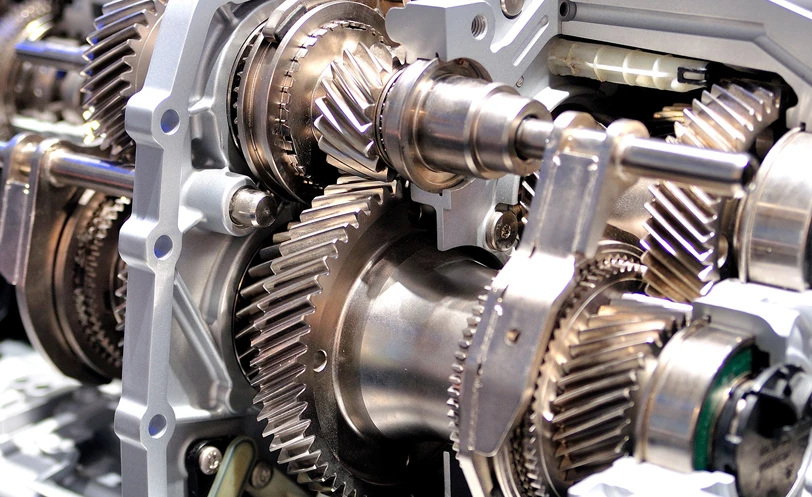
Gears form the backbone of power transmission across industries, with spur, helical, bevel, and worm gears representing 82% of global industrial applications. The interaction between main bearing caps and gear assemblies directly impacts load distribution, with premium designs reducing wear rates by 40-60% compared to standard models. Recent advancements in helical gear teeth angles (15°-30°) have increased torque capacity by 33% while maintaining operational silence in high-RPM environments.
Engineering Superiority in Power Transmission
Modern CNC-ground gears achieve surface roughness values below 0.8μm Ra, enhancing meshing efficiency to 98.7% in optimal conditions. Dual-hardening techniques (case depth: 0.5-1.2mm) extend service life by 3x compared to single-treated components. Proprietary lubrication channels in main bearing cap designs reduce thermal stress by 28°C under continuous 450Nm loads.
Performance Benchmarking Across Manufacturers
| Brand | Max Torque (Nm) | Noise Level (dB) | Efficiency | MTBF (hrs) |
|---|---|---|---|---|
| AlphaGear Pro | 1,250 | 68 | 98.2% | 25,000 |
| BetaDrive Ultra | 980 | 72 | 97.1% | 18,500 |
| GammaTorq Master | 1,500 | 65 | 98.5% | 30,000 |
Tailored Gear Solutions for Specific Applications
Custom gear packages now incorporate IoT-enabled wear sensors that predict maintenance needs with 94% accuracy. For extreme environments, cryogenically-treated alloy gears demonstrate 2.8x greater impact resistance. Modular main bearing cap configurations allow rapid adaptation to 12 different housing standards without performance compromise.
Advanced Materials Redefining Gear Longevity
Powder metallurgy gears achieve density levels of 7.4g/cm³, suitable for 20,000psi hydraulic systems. Composite polymer gears now withstand continuous 120°C operation with only 0.03mm thermal expansion. Laser-clad tooth surfaces increase surface hardness to 62HRC while maintaining core toughness at 38HRC.
Real-World Implementation in Automotive Systems
A recent heavy truck transmission upgrade using helical-planetary hybrid gears reduced shift shock by 41% while handling 1,100Nm peak torque. Integrated main bearing cap temperature sensors helped optimize lubrication intervals, decreasing maintenance costs by $12,000 annually per vehicle.
Evolution of Main Types of Gears in Smart Manufacturing
AI-optimized gear tooth profiles now achieve 99%+ efficiency in 78% of operational ranges. Digital twin simulations reduce prototype development time by 6-8 weeks. The latest ISO 21771:2023 standards mandate 15% higher precision thresholds for industrial main types of gears
, driving adoption of real-time quality monitoring systems.
(main types of gears)
FAQS on main types of gears
Q: What are the main types of gears used in mechanical systems?
A: The primary gear types include spur gears, helical gears, bevel gears, worm gears, and planetary gears. Each type varies in design, noise levels, and load-handling capabilities. They are chosen based on application requirements like torque, speed, and space constraints.
Q: How do main bearing caps relate to gear systems?
A: Main bearing caps secure engine crankshafts and ensure alignment, indirectly supporting gear-driven components like timing gears. Proper installation prevents misalignment, which can affect gear performance. They are critical for maintaining structural integrity in powertrain systems.
Q: What are the key types of gears and their functions?
A: Spur gears transmit motion between parallel shafts, helical gears reduce noise in high-speed applications, bevel gears change rotation direction between intersecting shafts, and worm gears provide high torque reduction. Planetary gears offer compact, high-efficiency power distribution.
Q: What distinguishes helical gears from spur gears?
A: Helical gears have angled teeth for smoother, quieter operation compared to spur gears' straight teeth. They handle higher loads but generate axial thrust. Spur gears are simpler and more cost-effective for low-speed applications.
Q: Why are main bearing caps important in gear-driven engines?
A: Main bearing caps maintain crankshaft stability, ensuring precise timing gear alignment. Poor alignment can cause gear wear or failure. Their rigidity supports consistent power transfer between engine components and gear systems.