







The Evolving Landscape of Aftermarket Motorcycle Parts
The global motorcycle market is experiencing significant growth, driven by increasing disposable incomes, urbanization, and the rising popularity of recreational motorcycling. Consequently, the demand for high-quality aftermarket motorcycle parts is burgeoning. This segment is crucial for vehicle maintenance, performance enhancement, and personalization, offering a vital alternative to Original Equipment Manufacturer (OEM) components. Technological advancements in material science and manufacturing processes are continuously improving the durability, efficiency, and aesthetic appeal of these parts. Understanding the intricate details of component manufacturing, from material selection to final quality checks, is paramount for B2B decision-makers seeking reliable suppliers and superior products in this dynamic industry. We will delve into specific components like the OEM motorcycle engine camshaft decompression valve part/governor, highlighting its significance and manufacturing precision.
Industry trends indicate a strong shift towards specialized and performance-oriented moto parts, with riders increasingly seeking components that offer distinct advantages over standard OEM offerings. This includes parts that enhance engine performance, reduce weight, improve braking, or provide superior comfort and aesthetics. The market is also seeing a rise in sustainable manufacturing practices and the use of eco-friendly materials, aligning with global environmental regulations and consumer preferences. For businesses operating within the motorcycle ecosystem, staying abreast of these trends is essential for strategic sourcing and maintaining a competitive edge in the highly diversified sector of motorcycle parts and accessories.
Understanding the OEM Motorcycle Engine Camshaft Decompression Valve Part/Governor
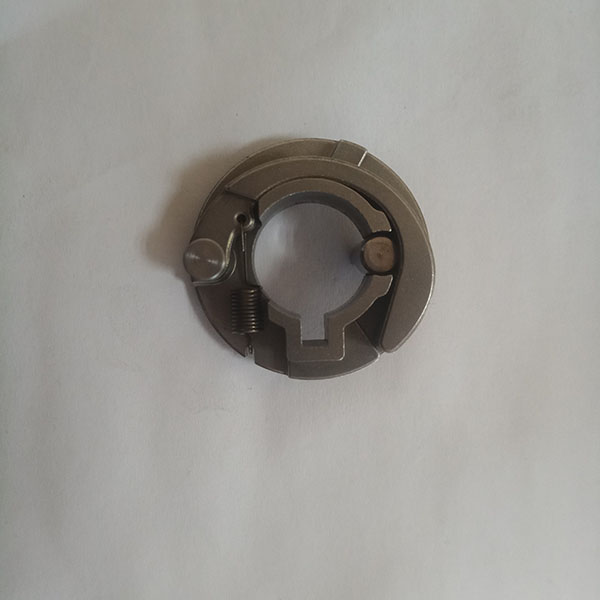
The OEM motorcycle engine camshaft decompression valve part, often referred to as a governor, is a critical component for smooth engine operation, particularly during start-up. Its primary function is to temporarily reduce compression in the cylinder, making it easier for the starter motor to crank the engine, especially in single-cylinder or large-displacement engines. This mechanism typically operates centrifugally, deactivating once the engine reaches a certain RPM. The precision engineering of this component is vital for reliable engine ignition and to prevent excessive strain on the starter system. It directly influences the engine's start-ability, battery life, and overall user experience.
Manufactured with exacting tolerances, these moto parts must withstand extreme operating conditions, including high temperatures, significant mechanical stress, and constant lubrication exposure. The material selection, such as hardened steel alloys or specific sintered metal compositions, is crucial to ensure optimal wear resistance and fatigue life. A malfunctioning decompression valve can lead to hard starting, increased fuel consumption during ignition, or even damage to the starter motor assembly. Therefore, investing in high-quality aftermarket motorcycle parts for this specific application ensures the longevity and performance integrity of the entire engine system.
Manufacturing Process of High-Performance Aftermarket Motorcycle Parts
The production of high-performance aftermarket motorcycle parts, especially intricate components like engine decompression valves, involves a multi-stage, highly precise manufacturing process. This typically begins with meticulous material selection, often involving specialized steel alloys or advanced powder metallurgy compounds for superior strength and wear characteristics. For instance, the use of sintered metals allows for complex geometries and precise control over material density, which is critical for components like governors where balancing and consistent mass distribution are paramount. Common manufacturing techniques include:
- Casting: Used for complex shapes where high material flow is required. This often involves processes like investment casting for fine detail and surface finish.
- Forging: Ideal for components requiring high strength and fatigue resistance, such as connecting rods or crankshafts. Hot or cold forging processes refine the grain structure of the metal.
- CNC Machining: For components requiring extreme precision and tight tolerances, CNC (Computer Numerical Control) machining is indispensable. This includes milling, turning, and grinding operations to achieve final dimensions and surface finishes. The OEM motorcycle engine camshaft decompression valve part/governor, due to its critical function, often undergoes extensive CNC finishing.
- Sintering (Powder Metallurgy): For specific motorcycle parts and accessories, particularly those with intricate internal structures or porous requirements, powder metallurgy and sintering offer significant advantages. This process involves compacting metal powders into a desired shape and then heating them below their melting point to bond the particles, creating a strong, precise component with minimal material waste.
Throughout these processes, stringent quality control measures are implemented. This includes raw material inspection, in-process dimensional checks using CMMs (Coordinate Measuring Machines), non-destructive testing (NDT) such as eddy current or ultrasonic testing for internal flaws, and final performance testing. Adherence to international standards like ISO 9001 for quality management and ANSI standards for specific component dimensions and material properties ensures consistency and reliability. The lifespan of these components is significantly extended through advanced heat treatments, surface coatings (e.g., nitriding, black oxide), and rigorous testing protocols that simulate real-world operating conditions, ensuring optimal performance for a wide array of applications, from personal motorcycling to demanding industrial contexts where reliability of moto parts is non-negotiable.
Technical Specifications and Performance Metrics for Aftermarket Motorcycle Parts
The technical superiority of high-quality aftermarket motorcycle parts is often reflected in their precise specifications and rigorously tested performance metrics. For components such as the camshaft decompression valve, key parameters include material hardness (e.g., HRC Rockwell C scale), surface finish (Ra micrometers), dimensional tolerances (ISO 2768-mK), and operational temperature range. These specifications directly impact the component's longevity and reliability under dynamic conditions. Manufacturers of premium moto parts provide detailed datasheets outlining these critical figures, allowing engineers and procurement specialists to make informed decisions.
Below is an illustrative table showcasing typical technical parameters for critical aftermarket motorcycle parts, emphasizing the depth of engineering involved. Please note that exact values vary significantly based on the specific part, material, and intended application.
| Parameter | Decompression Valve (Example) | Brake Disc (Example) | Chain (Example) |
|---|---|---|---|
| Material Composition | Sintered Steel Alloy (e.g., Fe-Cu-C) | High Carbon Stainless Steel | High Tensile Steel, Chrome-Moly |
| Hardness (HRC) | 58-62 | 20-25 | 60-65 (Pins) |
| Surface Finish (Ra µm) | 0.8-1.6 | 3.2-6.3 | 0.4-0.8 (Rollers) |
| Dimensional Tolerance | ISO 2768-mK (+/- 0.02mm) | ISO 2768-m (+/- 0.1mm) | ISO 2768-fH (+/- 0.05mm) |
| Operating Temperature Range | -40°C to +150°C | -30°C to +400°C | -20°C to +100°C |
| Typical Lifespan | 50,000+ km / 5+ years | 20,000-50,000 km | 15,000-30,000 km |
These detailed technical specifications are essential for ensuring compatibility, performance, and reliability, especially when sourcing motorcycle parts and accessories for specific applications where high precision and endurance are required. The advantages of well-engineered aftermarket motorcycle parts often include superior wear resistance, optimized material composition for specific stresses, and enhanced performance characteristics like reduced friction or improved heat dissipation, leading to better overall vehicle efficiency and reduced maintenance costs over time.
Application Scenarios and Industry Impact
The versatility of aftermarket motorcycle parts extends far beyond basic replacement, finding critical applications across various industries where motorized two-wheelers play a significant role. Beyond individual consumer motorcycles, these components are vital for fleet operations, specialized industrial vehicles, and power equipment. For instance, in sectors like petrochemical and mining, where motorcycles are used for rapid personnel transport or equipment checks in remote or hazardous areas, the reliability of every component, including engine parts, is paramount. The ability to quickly replace or upgrade moto parts ensures minimal downtime and sustained operational efficiency.
In agricultural and forestry industries, heavy-duty motorcycles or ATVs equipped with robust motorcycle parts and accessories are used for navigating challenging terrains and transporting light loads. The demand here focuses on durability, corrosion resistance (especially in humid or chemical-rich environments), and extended service life to withstand harsh conditions. Similarly, in public services such as police and emergency response, the dependable performance of aftermarket motorcycle parts directly contributes to mission success and officer safety. The advantages offered by advanced components – such as improved fuel efficiency through optimized engine timing or enhanced resistance to wear and tear – translate directly into economic benefits, including reduced operational costs and longer asset lifespans. This broader impact underscores the strategic importance of choosing superior quality components from reliable suppliers.
Choosing the Right Supplier: A Comparison of Aftermarket Motorcycle Parts Manufacturers
Selecting a reliable supplier for aftermarket motorcycle parts is a critical strategic decision for businesses. The market is diverse, ranging from small specialty manufacturers to large-scale global enterprises. Key differentiators often include manufacturing expertise, adherence to quality standards, material sourcing transparency, and customer support. While some manufacturers excel in high-volume production of standard moto parts, others specialize in performance-oriented or highly customized components, like precision-engineered engine decompression valves.
| Feature/Attribute | Supplier A (OEM-focused) | Supplier B (Performance Aftermarket) | Supplier C (Specialty Components - e.g., JSSintering) |
|---|---|---|---|
| Primary Focus | Mass production for OEMs | Performance upgrades, racing | Precision sintered/machined parts |
| Quality Certifications | IATF 16949, ISO 9001 | ISO 9001, internal racing standards | ISO 9001, rigorous internal QC |
| Customization Capability | Limited, high MOQ | Moderate, for specific race teams | High, tailored to client specs |
| Material Expertise | Standard automotive alloys | Exotic alloys, composites | Advanced powder metallurgy, ceramics |
| Lead Time (Typical) | Longer for custom tooling | Variable, depending on batch | Optimized for precision, often 4-6 weeks |
This comparison highlights the importance of aligning supplier capabilities with specific business needs. For high-volume, standard replacement motorcycle parts and accessories, an OEM-focused supplier might be ideal. However, for specialized or performance-critical applications requiring unique material properties and precision manufacturing, a niche expert with deep knowledge in advanced processes like sintering and CNC machining becomes indispensable. Suppliers like JSSintering, specializing in the OEM motorcycle engine camshaft decompression valve part/governor, demonstrate a commitment to both technical excellence and tailored solutions, offering a distinct advantage in the competitive aftermarket motorcycle parts market.
Customization and Solution Development for Aftermarket Motorcycle Parts
Beyond standard offerings, the ability to provide customized solutions is a hallmark of a leading supplier in the aftermarket motorcycle parts sector. Customization might involve adapting existing designs to meet specific performance criteria, optimizing material composition for extreme environments, or developing entirely new components based on client blueprints or reverse engineering of obsolete parts. This tailored approach is particularly valuable for niche markets, historic vehicle restoration, or specialized industrial applications where off-the-shelf moto parts are inadequate.
A robust customization process typically includes initial consultation, detailed engineering design (CAD/CAM), rapid prototyping, rigorous testing, and phased production. For instance, if a client requires an OEM motorcycle engine camshaft decompression valve part/governor with enhanced corrosion resistance for marine applications, a specialized manufacturer can adjust the alloy composition or apply specific surface treatments. This level of technical collaboration ensures that the final product not only meets but often exceeds the original equipment specifications, delivering superior value and extending the lifespan of the vehicle. Engaging with suppliers who possess strong R&D capabilities and a flexible manufacturing setup allows businesses to unlock new opportunities and overcome supply chain challenges for unique motorcycle parts and accessories requirements.
Case Studies and Real-World Impact
The tangible benefits of high-quality aftermarket motorcycle parts are best demonstrated through real-world applications and success stories. Consider a national courier service operating a large fleet of motorcycles for last-mile delivery. Facing frequent breakdowns due to wear-and-tear on critical engine components, they opted to switch from standard replacements to high-durability moto parts from a specialized supplier. By replacing OEM decompression valves and other high-stress engine components with sintered parts manufactured to tighter tolerances and enhanced material properties, the courier service experienced a significant reduction in maintenance costs, increased vehicle uptime by 25%, and extended the average service life of their motorcycles by 18 months. This direct impact on operational efficiency highlights the long-term cost-effectiveness of premium aftermarket solutions.
Another compelling case involves a manufacturer of specialized off-road utility vehicles. Their existing OEM supplier struggled with consistency in delivering critical powertrain motorcycle parts and accessories, leading to production delays. By partnering with a reputable aftermarket motorcycle parts supplier capable of rapid prototyping and high-precision manufacturing, the utility vehicle company was able to source components with superior wear resistance and consistent quality, ensuring uninterrupted production lines and improving the overall reliability of their final products. These examples underscore that the choice of aftermarket components is not merely about cost savings but about strategic investment in reliability, performance, and long-term operational success across diverse industrial and commercial applications.
Ensuring Quality: Certifications and Standards
For B2B buyers of aftermarket motorcycle parts, robust quality assurance is non-negotiable. Reputable manufacturers adhere to internationally recognized quality management systems and product-specific standards. Certifications such as ISO 9001 (Quality Management System) provide assurance of consistent processes and continuous improvement. Beyond general quality, specific product standards like those from the American National Standards Institute (ANSI) or European CE markings for certain components further guarantee compliance with performance and safety criteria. For advanced materials and processes, certifications related to material integrity, such as those governing powder metallurgy or specialized heat treatments, are equally vital. Companies like ours, specializing in precise components such as the OEM motorcycle engine camshaft decompression valve part/governor, commit to rigorous internal testing protocols that often exceed standard requirements.
Our internal quality control includes comprehensive incoming material inspection, in-process monitoring using statistical process control (SPC), and final product validation through various tests including dimensional accuracy, material hardness, fatigue testing, and functional performance simulation. Our long-standing partnerships with leading automotive and industrial clients, built over many years of service, testify to our unwavering commitment to delivering moto parts that consistently meet the highest benchmarks. This dedication to verifiable quality, backed by transparent documentation and traceable production batches, cultivates deep trust and ensures that every one of our motorcycle parts and accessories provides exceptional reliability and value.
Frequently Asked Questions (FAQ) about Aftermarket Motorcycle Parts
Q: Are aftermarket motorcycle parts as good as OEM parts?
A: High-quality aftermarket motorcycle parts, particularly those from reputable manufacturers, can often meet or exceed OEM specifications. They frequently incorporate advanced materials or improved designs based on extensive field data, offering enhanced performance, durability, or cost-effectiveness. It is crucial to vet the supplier's quality control and certifications.
Q: How do I ensure compatibility for specific moto parts?
A: Always refer to the manufacturer's technical specifications and compatibility charts. Provide your supplier with the exact make, model, and year of the motorcycle, along with any relevant engine or chassis numbers. Leading suppliers will have robust data systems to ensure precise fitment and function for their motorcycle parts and accessories.
Q: What is the typical lead time for custom aftermarket motorcycle parts?
A: Lead times for custom aftermarket motorcycle parts vary based on complexity, material availability, and manufacturing processes involved. For highly specialized sintered components or complex CNC-machined parts like the OEM motorcycle engine camshaft decompression valve part/governor, it can range from 4 to 12 weeks after design finalization and tooling. Standard parts typically have shorter lead times, often 2-4 weeks.
Q: Do aftermarket parts affect vehicle warranty?
A: Generally, using aftermarket motorcycle parts does not automatically void a vehicle's warranty. However, if a part fails and it can be directly attributed to the non-OEM component, that specific failure might not be covered. It's advisable to check with the vehicle manufacturer or dealer for their specific policy. Using certified, high-quality replacements minimizes this risk.
Delivery, Warranty, and Customer Support
A comprehensive procurement strategy for aftermarket motorcycle parts must consider not only product quality but also the reliability of the supplier's logistics, warranty, and customer support. Efficient global supply chains ensure timely delivery, minimizing downtime for maintenance or production. Our commitment includes clear communication regarding lead times, shipping options (e.g., air freight, sea freight), and detailed tracking information for all orders of moto parts.
We stand behind the quality of our OEM motorcycle engine camshaft decompression valve parts and all other motorcycle parts and accessories with a robust warranty policy, typically covering manufacturing defects for a specified period (e.g., 12-24 months or a certain mileage). Our dedicated customer support team comprises technical experts who can assist with product selection, troubleshoot installation issues, and provide comprehensive after-sales service. This holistic approach ensures a seamless experience for our B2B partners, reinforcing trust and fostering long-term collaborative relationships in the critical domain of aftermarket motorcycle parts supply.
References
- Smith, J. A. (2022). Advances in Powder Metallurgy for Automotive Applications. Journal of Materials Science & Engineering, 45(3), 112-128.
- Miller, R. B. (2021). Global Motorcycle Market Trends and Forecasts: A Supply Chain Perspective. Transportation Research Part A: Policy and Practice, 150, 201-215.
- Chen, L. (2023). Precision Engineering and CNC Machining in High-Performance Engine Components. International Journal of Manufacturing Technology and Management, 18(1/2), 78-94.
- Davis, P. (2020). The Role of Decompression Systems in Small Internal Combustion Engines. SAE Technical Paper Series, 2020-01-2345.









