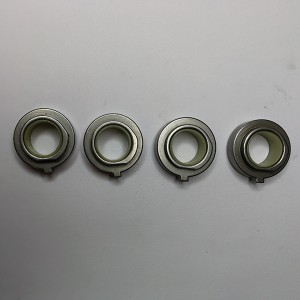





The Core of Power Transmission: Understanding the driven plate
In the intricate world of mechanical power transmission, the driven plate stands as a critical component, fundamental to the operation of clutches in a myriad of applications, from automotive and motorcycles to heavy industrial machinery. Its primary function is to facilitate the engagement and disengagement of power between the engine and the transmission, enabling smooth vehicle acceleration and gear changes. Beyond its immediate role in transferring torque, the quality and design of the driven plate significantly influence overall system efficiency, operational noise, vibration, and harshness (NVH), and crucially, the service life of the entire powertrain. Manufacturers and engineers consistently seek superior materials and advanced production methodologies to enhance the performance metrics of this essential part. This involves a deep understanding of friction dynamics, material science, and precision engineering to meet the stringent demands of modern industrial and mobility sectors.
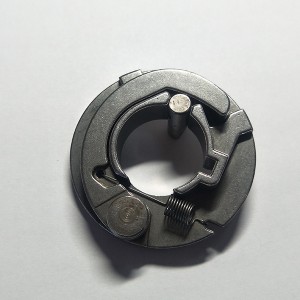
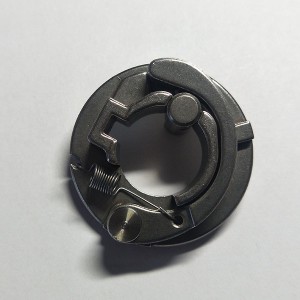
The performance of the driven plate is also inherently linked to other vital transmission components, such as the cam ring and the synchronizer ring. The cam ring, often found in variable valve timing systems or specific gear mechanisms, precisely controls motion and timing, directly impacting the engine's power delivery characteristics. Similarly, the synchronizer ring in manual transmissions ensures smooth, grind-free gear shifts by matching the rotational speeds of engaging gears before meshing. Both components, like the driven plate, demand extreme precision, durability, and consistent material properties, reflecting a broader industry trend towards integrated system optimization and advanced material solutions, including specialized sintering techniques for precision parts.
Advanced Manufacturing of the Driven Plate: A Deep Dive into Process and Quality
The manufacturing of a high-performance driven plate is a multi-stage process that requires meticulous attention to detail and adherence to stringent quality control protocols. It typically begins with the careful selection of high-grade materials, often specialized steel alloys for the main plate and a sophisticated blend of organic, metallic, or ceramic compounds for the friction facings. The core plate itself is commonly produced through precision stamping or forming processes, ensuring accurate dimensions and structural integrity. Following this, critical steps include heat treatment, such as carburizing or nitriding, which enhances surface hardness and wear resistance, especially for spline teeth that engage with the transmission input shaft.
The next crucial phase involves the bonding of friction materials to the plate. This can be achieved through riveting, adhesive bonding, or a combination, creating a robust interface capable of withstanding extreme temperatures and shear forces. Precision machining, particularly CNC machining, is then employed for critical features like the hub and splines, ensuring tight tolerances for optimal fit and smooth operation. The entire assembly undergoes dynamic balancing to minimize vibration and extend the service life of the clutch system. Throughout this process, strict quality checks are implemented, including dimensional inspections, hardness testing, material analysis (e.g., spectrographic analysis), and performance testing (e.g., fatigue testing, burst testing). Adherence to international standards such as ISO 9001 and automotive-specific standards like IATF 16949 ensures consistent product quality and reliability. The typical service life of a well-engineered driven plate can exceed 100,000 kilometers in automotive applications, significantly influenced by driving conditions and proper maintenance. These components find extensive use across various industries, including petrochemical (for pumping systems), metallurgy (in heavy machinery), and water supply/drainage (for specialized vehicles and equipment).
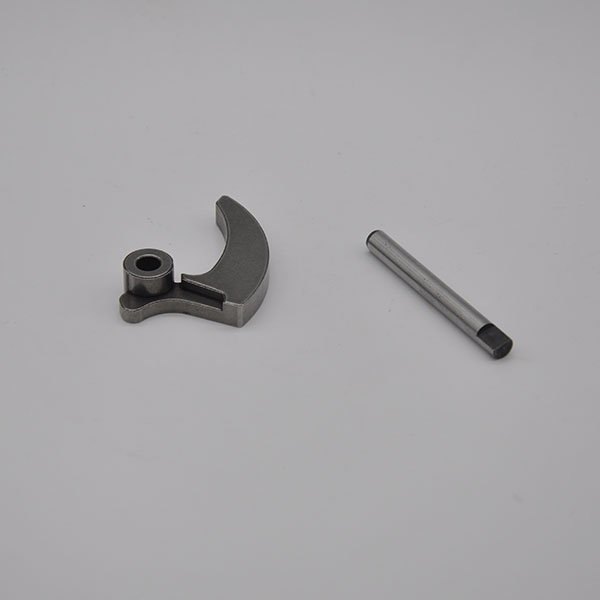
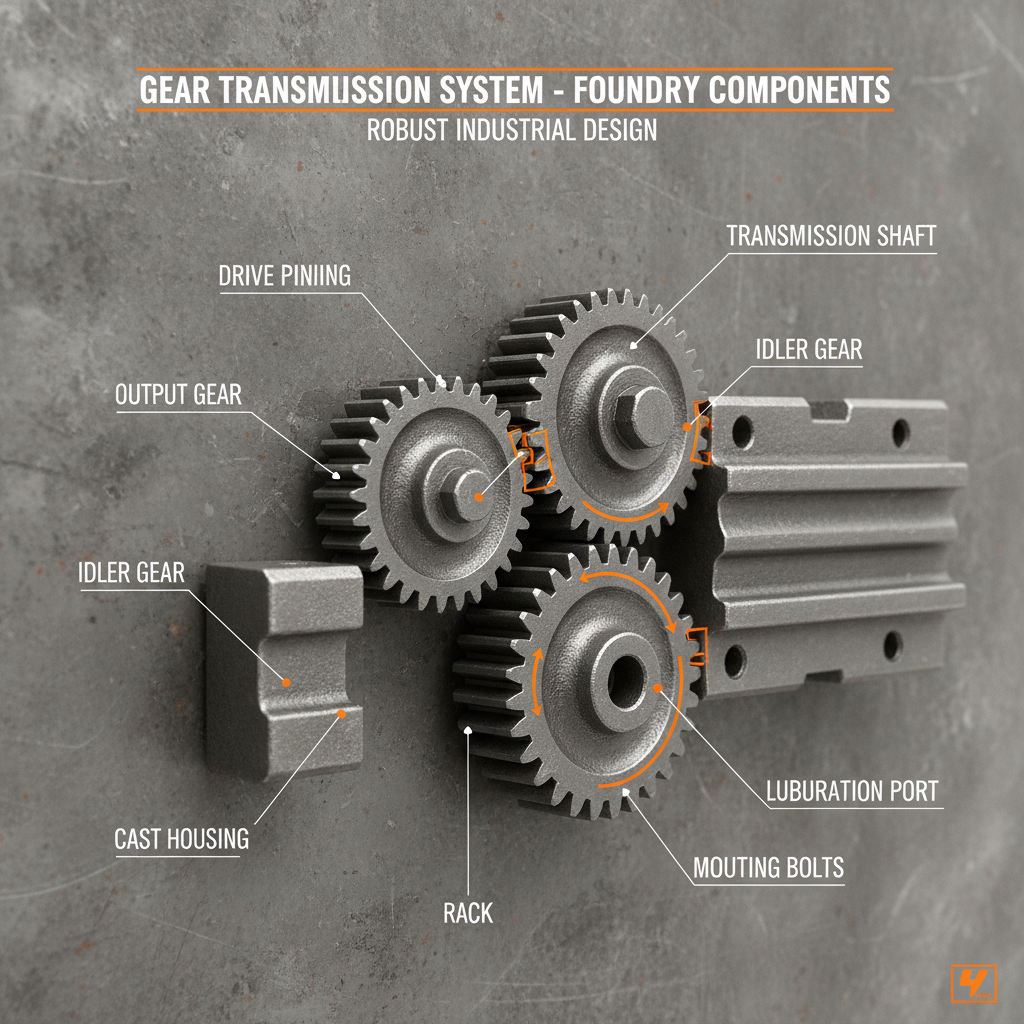
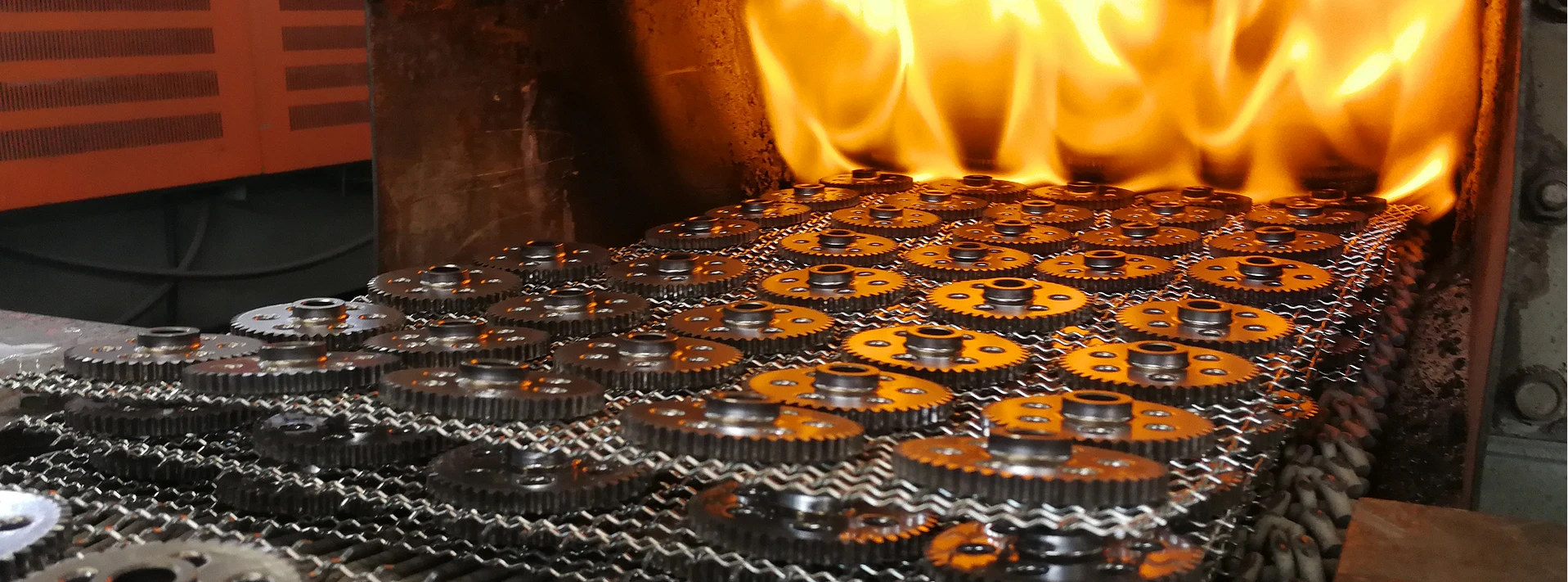
Image: Precision components undergoing machining for quality assurance.
Key Technical Parameters and Performance Benchmarks for Driven Plates
Understanding the technical specifications of a driven plate is paramount for engineers and procurement specialists to ensure optimal system performance and longevity. Critical parameters include outer diameter, inner diameter, spline count and diameter, and friction material type. The torque capacity, measured in Newton-meters (Nm), indicates the maximum torque the plate can reliably transmit without slipping. The friction coefficient of the facings, typically ranging from 0.2 to 0.4 for organic materials, determines the grip and engagement characteristics. Burst speed, usually specified in RPM, is a safety parameter indicating the maximum rotational speed the plate can withstand before structural failure. Torsional damping characteristics, achieved through springs and other dampening mechanisms, are vital for reducing driveline vibrations and noise, enhancing driver comfort and component lifespan.
For related components like the cam ring, key specifications often involve material hardness (e.g., Rockwell C scale), precision of cam profiles (measured in microns), and fatigue strength. These parameters ensure accurate timing and long-term durability in applications such as valve trains or specialized gear systems. The synchronizer ring, critical for smooth gear shifts, is specified by its cone angle, friction material composition (e.g., brass alloys, carbon, molybdenum composites), and its wear resistance, typically measured in cycles before significant material loss. The table below outlines typical specifications for a robust driven plate, providing a benchmark for high-quality components designed for demanding applications.
Typical Driven Plate Specifications
| Parameter | Typical Range/Value | Unit/Description |
|---|---|---|
| Outer Diameter | 180 - 350 | mm |
| Spline Diameter | 20 - 45 | mm |
| Spline Count | 10 - 26 | Number of teeth |
| Torque Capacity | 150 - 800+ | Nm |
| Friction Material | Organic, Ceramic, Sintered Bronze | Type |
| Friction Coefficient (μ) | 0.25 - 0.45 | Dimensionless |
| Burst Speed | 7,000 - 12,000+ | RPM |
| Damping System | Spring-loaded, Dual Mass | Type |
Application Scenarios and Industry Trends in Driven Plate Technology
The versatility of the driven plate allows it to serve a broad spectrum of industries and applications. In the automotive sector, it is indispensable in manual and automated manual transmissions for passenger cars, light commercial vehicles, and heavy-duty trucks. Motorcycle clutches, particularly for OEM motorcycle camshaft accessories, also rely on specialized driven plate designs that can withstand high RPMs and rapid engagement cycles while optimizing power delivery. Beyond transportation, driven plates are vital in industrial machinery where precise power transfer is essential, such as in pumps for petrochemical facilities, conveyer systems in metallurgy, and specialized vehicles used in water supply and drainage networks. Their robust design ensures reliable operation in harsh environments, often exhibiting features like enhanced corrosion resistance and improved thermal stability.
Current industry trends are pushing the boundaries of driven plate technology. There is a significant focus on lightweighting to improve fuel efficiency and reduce emissions, often achieved through advanced material composites or optimized designs that reduce rotational inertia. Durability and extended service intervals are also key drivers, leading to the development of new, more resilient friction materials and heat treatment processes. Furthermore, the integration of advanced damping systems is crucial for mitigating torsional vibrations, contributing to smoother operation and enhanced vehicle dynamics, while also ensuring energy saving by minimizing power loss during transmission. The ongoing evolution of hybrid and electric vehicle technologies also presents new challenges and opportunities for specialized clutch components, requiring solutions that can manage instantaneous torque delivery and regenerative braking effects.

Image: A high-performance driven plate showcasing advanced design.
Selecting the Right Supplier: Ensuring Quality and Customization
Choosing the right manufacturer for driven plates and other precision components like the cam ring or synchronizer ring is a strategic decision that directly impacts product performance, reliability, and cost-effectiveness. A reputable manufacturer differentiates itself through several key factors. First, their expertise in material science and advanced manufacturing processes, such as sintering for high-precision components, is paramount. This ensures optimal material properties, including strength, wear resistance, and thermal stability. Second, a strong commitment to research and development allows for continuous innovation, leading to solutions that meet evolving industry demands, such as lightweighting or enhanced durability for specific operating environments. Companies with significant experience in OEM motorcycle camshaft accessors, for example, demonstrate a specialized capability in high-performance, compact components.
Furthermore, an ideal supplier offers comprehensive customization capabilities, providing tailored driven plate designs and material combinations to suit unique application requirements. This includes variations in diameter, spline configurations, friction material compounds, and damping characteristics. Crucially, adherence to global quality standards like ISO 9001 and IATF 16949 (for automotive applications) is non-negotiable, providing verifiable assurance of consistent manufacturing quality and process control. Evaluating manufacturers based on their proven track record, technological capabilities, engineering support, and stringent testing protocols will ensure the acquisition of reliable, high-performance components that extend the lifespan and enhance the efficiency of your power transmission systems. Our company, with over two decades of experience in precision component manufacturing, consistently adheres to these highest standards, providing robust solutions globally.
Frequently Asked Questions (FAQ) about Driven Plates
Q1: How do I choose the correct driven plate for my application?
Selecting the right driven plate depends on several factors, including the engine's torque output, vehicle weight, intended use (e.g., daily driving, racing, heavy-duty industrial), and the transmission type. Key specifications to consider are the plate's diameter, spline count, torque capacity, and friction material type. Consulting with experienced engineers or referring to OEM specifications is highly recommended to ensure optimal compatibility and performance.
Q2: What is the average lifespan of a driven plate?
The lifespan of a driven plate varies significantly based on driving habits, vehicle application, and maintenance. In typical automotive use, a well-manufactured driven plate can last between 80,000 to 150,000 kilometers. However, aggressive driving, frequent heavy loads, or improper clutch engagement can considerably reduce this lifespan. Industrial applications under constant heavy loads might see different service intervals requiring more frequent inspection.
Q3: Can a driven plate be customized?
Yes, many manufacturers offer customized driven plate solutions. Customization can involve specific dimensions, unique spline configurations, specialized friction materials for enhanced thermal resistance or higher friction coefficients, and tailored damping systems to address particular vibration characteristics. This is especially common in high-performance racing applications or niche industrial machinery where standard parts may not suffice.
Our Commitment to Excellence: Delivery, Warranty & Support
At the heart of our operations is an unwavering commitment to delivering exceptional quality and reliability in every precision component, including our driven plates, cam rings, and synchronizer rings. We understand the critical nature of these components in your systems and strive to exceed industry standards through meticulous engineering and rigorous quality control. Our efficient supply chain and manufacturing processes enable us to provide competitive delivery cycles, ensuring your projects stay on schedule without compromising on product integrity.
Every product we manufacture is backed by a robust quality assurance program, including comprehensive testing and adherence to international certifications such as ISO and IATF standards. We stand by the durability and performance of our components with a clear warranty policy, reflecting our confidence in our products' ability to withstand demanding operational environments. Beyond manufacturing, our dedicated customer support team provides expert technical assistance, from initial consultation and customized solution development to after-sales service. We partner with our clients to ensure long-term success and optimal performance of their applications, cementing our reputation as a trusted provider of high-precision components.
References
- Smith, J. P., & Johnson, A. M. (2020). Advances in Friction Material Technology for Automotive Clutches. SAE International Journal of Materials and Manufacturing, 13(3), 185-198.
- Davis, R. L. (2019). Torsional Vibration Damping in Automotive Drivelines: A Comprehensive Review. Journal of Mechanical Engineering Science, 233(10), 3587-3602.
- Chen, H., & Lee, S. K. (2021). Design and Analysis of Synchronizer Rings for Enhanced Gear Shift Quality. Proceedings of the Institution of Mechanical Engineers, Part D: Journal of Automobile Engineering, 235(5), 1187-1200.
- Wang, X., & Li, Q. (2018). Material Selection and Manufacturing Processes for High-Performance Camshafts. International Journal of Engine Research, 19(7), 789-805.