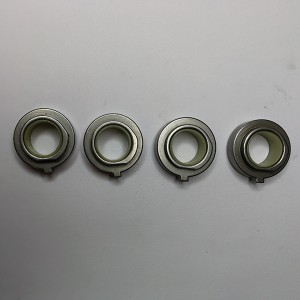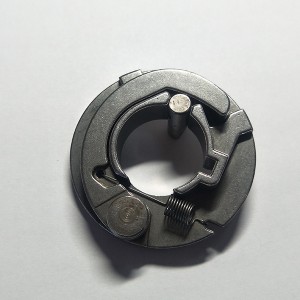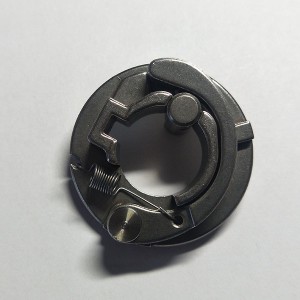





The Imperative of Precision: Navigating the World of high precision gear Technology
In the ever-evolving landscape of modern engineering and industrial manufacturing, the demand for components that offer unparalleled accuracy, reliability, and longevity has reached an unprecedented peak. At the very heart of this technological advancement lies the critical role of high precision gear technology. These meticulously engineered components are not merely gears; they are the silent, often unseen, orchestrators of complex mechanical movements, crucial for applications ranging from aerospace and medical devices to robotics and automotive systems. The distinguishing feature of a high precision gear lies in its exceptionally tight tolerances, superior surface finish, and optimized tooth geometry, all of which contribute to minimal backlash, reduced noise, enhanced efficiency, and extended operational life. This level of precision is achieved through a combination of advanced material selection, sophisticated manufacturing processes, and rigorous quality control protocols. Without these highly refined components, many of today's most advanced machines would simply not function with the necessary stability or accuracy. The quest for smaller, lighter, and more powerful systems continually pushes the boundaries of what is possible in gear manufacturing, driving innovation in design, material science, and production techniques.
The significance of high precision gear extends beyond mere mechanical function; it directly impacts the overall performance, safety, and economic viability of the systems they inhabit. For instance, in automated production lines, even minor inaccuracies in gear train operation can lead to significant cumulative errors, resulting in diminished product quality, increased scrap rates, and costly downtime. Similarly, in critical applications like medical diagnostic equipment or aerospace control surfaces, the failure of a single gear due to insufficient precision can have catastrophic consequences. Therefore, engineers and procurement specialists are increasingly prioritizing suppliers who can demonstrate a proven track record in delivering gears that meet the most stringent specifications. This necessitates a deep understanding of tribology, metallurgy, kinematics, and dynamic loading. Manufacturers in this specialized niche must not only possess state-of-the-art machinery but also employ highly skilled technicians and metallurgists capable of pushing the envelope of traditional manufacturing. The transition from conventional machining to more advanced processes like powder metallurgy and precision grinding allows for the creation of gears with superior strength-to-weight ratios and exceptional dimensional consistency, attributes that are highly valued across diverse industrial sectors. This comprehensive article delves into the nuances of high precision gear technology, exploring its industrial trends, technical intricacies, diverse applications, and the strategic advantages it confers.
Industry Trends & Market Dynamics Shaping High Precision Gear Manufacturing
The global market for high precision gear is undergoing significant transformation, driven by a confluence of technological advancements and evolving industrial demands. One prominent trend is the increasing adoption of Industry 4.0 principles, which integrate automation, data exchange, and advanced manufacturing technologies. This includes the widespread use of smart sensors in gear systems for predictive maintenance, real-time performance monitoring, and optimized operational efficiency. The data gathered from these sensors allows for a deeper understanding of wear patterns, thermal expansion, and lubrication efficacy, enabling proactive interventions that extend the lifespan of high precision gear assemblies and reduce unexpected failures. Furthermore, the push towards miniaturization across various sectors, particularly in medical devices and consumer electronics, necessitates the development of micro-gears that maintain exceptional precision despite their reduced scale. This presents unique manufacturing challenges, requiring ultra-fine machining capabilities and innovative material solutions. Another key driver is the growing demand for electric vehicles (EVs) and hybrid electric vehicles (HEVs), which require specialized gears capable of handling higher torque densities, operating quietly, and dissipating heat efficiently. These applications often call for specific designs, such as high precision double gear systems, which allow for compact power transmission and optimized gear ratios, crucial for maximizing battery range and vehicle performance. The aerospace industry also continues to fuel demand, with an emphasis on lightweight materials and designs that can withstand extreme environmental conditions while delivering unwavering reliability.
Sustainable manufacturing practices are also gaining traction, influencing material selection and production processes for high precision gear. Companies are increasingly exploring eco-friendly materials and energy-efficient manufacturing methods to reduce their carbon footprint. This includes advancements in powder metallurgy (PM), which can produce near-net-shape components, significantly reducing material waste and energy consumption compared to traditional machining processes. The development of advanced coatings and surface treatments is another vital trend, aimed at enhancing the durability, wear resistance, and corrosion protection of gears, thereby extending their operational life and reducing maintenance requirements. For instance, specialized nitride or diamond-like carbon (DLC) coatings can dramatically improve the surface hardness and reduce friction, allowing gears to operate under more extreme loads and speeds. Geographically, Asia-Pacific remains a dominant force in both production and consumption of high precision gear, fueled by robust growth in the automotive, electronics, and manufacturing sectors of countries like China, Japan, and South Korea. However, North America and Europe continue to invest heavily in R&D and advanced manufacturing capabilities to maintain their competitive edge, especially in high-value applications such as aerospace and defense. This dynamic interplay of technological innovation, market demand shifts, and global economic factors continues to shape the strategic imperatives for manufacturers of high precision gear components. The ability to adapt to these evolving trends, while maintaining rigorous quality standards, will be crucial for success in this specialized and critical market segment.
Technical Parameters & Material Science in High Precision Gear Design
The design and manufacturing of high precision gear components necessitate a meticulous understanding of a complex array of technical parameters and material properties. Key parameters define a gear's functionality and performance envelope. The Module (m) or Diametral Pitch (DP) specifies the size of the gear teeth, directly impacting the load-carrying capacity and overall dimensions. Pressure Angle, typically 20 degrees, determines the force transmission characteristics and the contact ratio between mating teeth. The Number of Teeth, Helix Angle (for helical gears), and Face Width are fundamental to determining the gear ratio, power transmission capabilities, and the distribution of loads. Critical geometric tolerances include runout, profile accuracy, and lead accuracy, which directly influence the smoothness of operation, noise levels, and backlash. For instance, ISO 1328 defines gear precision grades from 1 (highest) to 12 (lowest), with high precision gear often falling into grades 1 to 5. AGMA 2015 provides similar grading for American standards. Surface roughness, measured in Ra, is also crucial, as smoother surfaces reduce friction, wear, and noise, contributing to extended gear life. Backlash, the amount of clearance between mating gear teeth, must be tightly controlled in precision applications to ensure accurate positioning and minimize dynamic loading. Optimal design seeks to balance these parameters to achieve maximum efficiency, minimal wear, and reduced vibration.
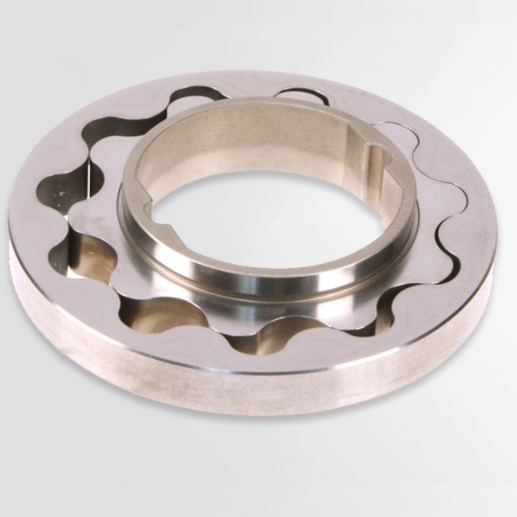
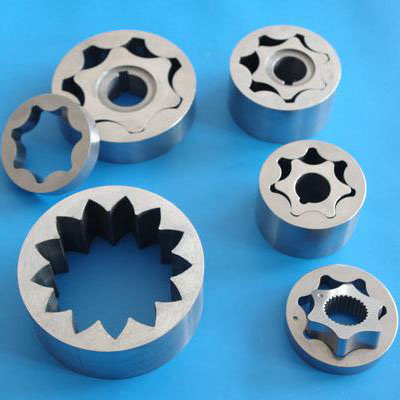
Material selection is equally paramount for high precision gear, dictating strength, hardness, wear resistance, and fatigue life. Common materials include alloy steels (e.g., 4140, 8620, 9310) for their excellent hardenability and strength, stainless steels (e.g., 304, 316, 17-4 PH) for corrosion resistance, and specialty bronze alloys for specific bearing properties. For applications like the Factory stable supply high precision steel auto oil pump rotor, sintered steels or powder metallurgy (PM) materials are increasingly favored. PM materials offer significant advantages, including the ability to create complex geometries with high dimensional accuracy, excellent material utilization (reducing waste), and controlled porosity for self-lubrication or weight reduction. Specific sintered steel alloys, often based on iron with alloying elements like copper, nickel, and molybdenum, can achieve impressive mechanical properties after heat treatment (e.g., case hardening to 58-62 HRC for surface hardness, maintaining a tough core). This combination provides superior wear resistance while retaining ductility, crucial for demanding automotive applications like oil pump rotors which experience continuous rotational stress. Furthermore, the microstructure of the chosen material, including grain size, carbide distribution, and phase composition, plays a critical role in its mechanical performance and fatigue resistance. Advanced material characterization techniques, such as scanning electron microscopy (SEM) and X-ray diffraction, are routinely employed to verify material integrity and ensure it meets the stringent requirements for high precision gear. The interplay between precise mechanical design and advanced material science is what truly elevates a standard gear to a high precision component capable of enduring the most rigorous operational demands.
Typical High Precision Gear Parameters
| Parameter | Typical Range for High Precision Gear | Significance |
|---|---|---|
| Precision Grade (ISO 1328) | 1 to 5 (often 3-4 for many industrial; 1-2 for aerospace/medical) | Defines accuracy of tooth profile, lead, and runout. Lower number means higher precision. |
| Pressure Angle | 14.5°, 20°, 25° (20° is most common) | Influences tooth strength, contact ratio, and noise levels. |
| Backlash | 0.005mm to 0.05mm (Application Dependent) | Critical for positional accuracy, vibration reduction, and smooth operation. |
| Surface Roughness (Ra) | Typically ≤ 0.8 µm (often 0.2-0.4 µm for fine finishes) | Affects friction, wear, noise, and lubrication film formation. |
| Material Hardness (HRC) | Core: 30-40 HRC; Surface (case hardened): 58-65 HRC | Determines wear resistance, fatigue strength, and load capacity. |
| Tolerance (Total Composite Error) | ≤ 0.015 mm (depends on module/DP and grade) | Overall measure of manufacturing accuracy for tooth profile and spacing. |
| Operating Temperature Range | -40°C to +150°C (depending on material/lubricant) | Thermal expansion/contraction and lubricant stability are crucial. |
| Lifespan | 107 to 109 cycles (Application and load dependent) | Measures durability under specified operating conditions. |
The Advanced Manufacturing Process for High Precision Gear Components
The journey of a high precision gear from raw material to a finished component is a testament to sophisticated engineering and meticulous execution. The manufacturing process is a multi-stage endeavor, each phase contributing to the final product's dimensional accuracy, surface integrity, and mechanical properties. It typically begins with careful material selection, often specialized alloy steels or high-performance sintered metals tailored for the application's demands regarding strength, wear resistance, and corrosion. For instance, in the case of the Factory stable supply high precision steel auto oil pump rotor, high-grade steel powder is chosen. The initial forming process can vary significantly:
- Casting: While less common for the highest precision gears due to inherent porosity and surface finish limitations, precision casting (e.g., investment casting) can be used for near-net-shape blanks, followed by extensive machining. This method is often reserved for very large gears or those with intricate internal features.
- Forging: This process involves shaping metal through localized compressive forces, resulting in superior grain flow and mechanical properties (enhanced strength and toughness) compared to casting. Closed-die forging is particularly effective for producing high-strength gear blanks that require minimal material removal in subsequent operations.
- CNC Machining (Turning, Milling, Hobbing, Shaping): This is the cornerstone for achieving the precise geometry of high precision gear. CNC turning machines create the basic cylindrical blank. CNC milling and hobbing machines then cut the gear teeth. Hobbing, a continuous cutting process, is highly efficient for producing accurate external involute profiles. Gear shaping, using a reciprocating cutter, is preferred for internal gears, cluster gears, or when a shoulder interferes with hobbing. Multi-axis CNC machines allow for complex geometries and efficient production.
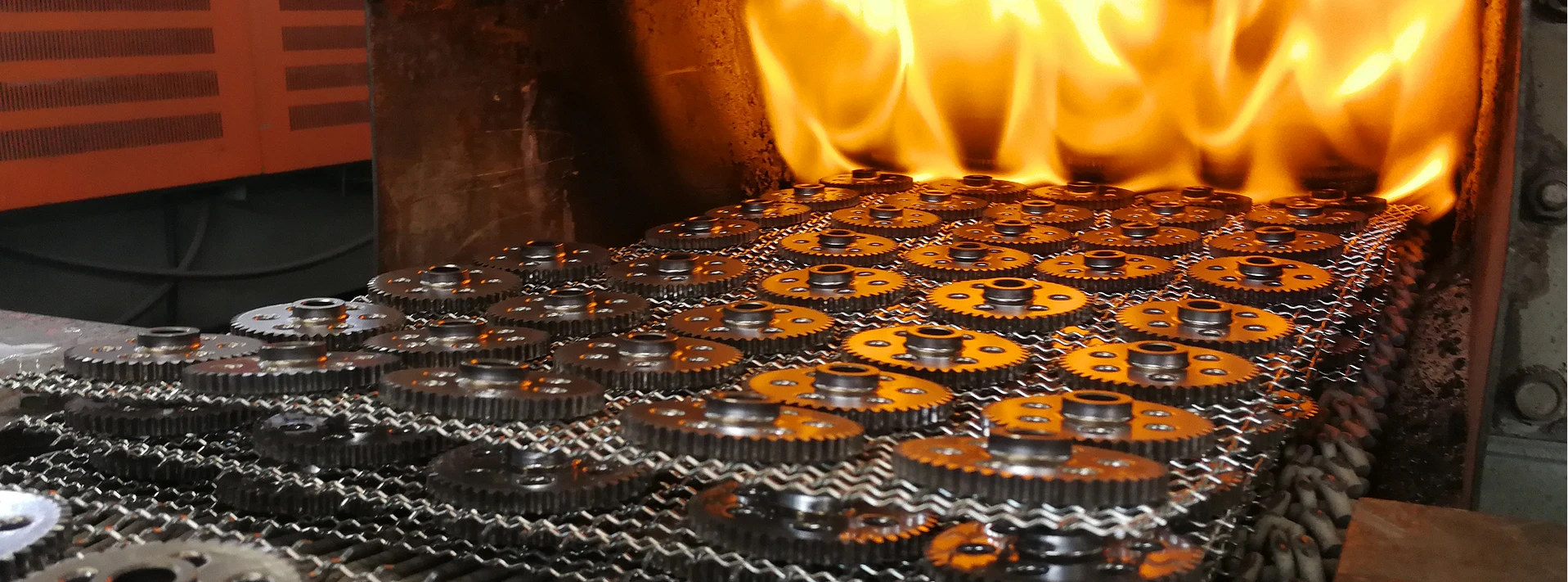
- Powder Metallurgy (PM) / Sintering: This advanced process is particularly effective for producing complex, near-net-shape components like our sintered steel auto oil pump rotor. Fine metal powders (e.g., iron, copper, nickel, molybdenum) are precisely blended, compacted into a die under high pressure, and then sintered in a controlled atmosphere furnace at temperatures below the melting point. This fuses the particles, creating a strong, dense part. Subsequent processes like sizing, coining, or repressing can further enhance density and dimensional accuracy. PM offers excellent material utilization, reduced secondary machining, and the ability to tailor material properties, making it a cost-effective and environmentally friendly option for mass production of precision components.
Following the initial forming and tooth cutting, a series of critical post-processing steps are essential for achieving the required precision and mechanical properties of high precision gear:
- Heat Treatment: This is a crucial step to enhance material hardness, wear resistance, and fatigue strength. Common heat treatment processes include case hardening (carburizing, nitriding, carbonitriding) where the surface is hardened while retaining a tough core, through hardening, and induction hardening. Precise control of temperature, time, and atmosphere is vital to prevent distortion and achieve desired metallurgical structures.
- Grinding: For the highest precision gears, post-heat treatment grinding is indispensable. Gear grinding precisely removes a small amount of material from the tooth flanks, correcting any distortion from heat treatment and achieving extremely tight tolerances on tooth profile, lead, and runout, as well as superior surface finishes (e.g., Ra ≤ 0.2 µm). This process is critical for meeting ISO Precision Grades 1-4.
- Lapping/Honing: These abrasive finishing processes are used to further refine the surface finish and reduce noise and vibration, particularly for very high-speed or sensitive applications.
- Surface Treatments/Coatings: Depending on the application, gears may undergo surface treatments like black oxide, phosphate coating for corrosion resistance, or specialized coatings like PVD/CVD (Physical/Chemical Vapor Deposition) for enhanced wear resistance, reduced friction (e.g., DLC coatings), or improved lubrication retention.
Throughout these stages, stringent Quality Control and Inspection are paramount. This involves the use of advanced metrology equipment such as CMMs (Coordinate Measuring Machines), gear rolling testers, optical comparators, and surface roughness testers to verify every dimension and characteristic against established standards like ISO (International Organization for Standardization) and ANSI (American National Standards Institute). The manufacturing process for high precision gear is a complex symphony of material science, mechanical engineering, and advanced manufacturing technologies, all orchestrated to produce components that deliver exceptional performance and reliability in the most demanding industrial environments.
Rigorous Quality Assurance and Metrology for High Precision Gear
The assurance of quality in high precision gear manufacturing is not merely a final inspection but an integrated philosophy that permeates every stage of the production cycle, from raw material sourcing to final packaging. Adherence to internationally recognized standards such as ISO 9001 for quality management systems and specific gear-related standards like ISO 1328 (Cylindrical gears – ISO system of accuracy) and AGMA 2015 (Accuracy Classification System for Cylindrical Gears) is non-negotiable. These standards provide a framework for defining and measuring the critical parameters that dictate a gear's performance, including profile accuracy, lead accuracy, runout, pitch variation, and backlash. Manufacturers of high precision gear employ a sophisticated suite of metrology tools and techniques to ensure every component meets these stringent specifications. Coordinate Measuring Machines (CMMs) equipped with specialized gear probing software are indispensable for comprehensive dimensional verification, allowing for precise measurement of complex geometries and deviations from nominal designs. Optical gear inspection systems, utilizing laser scanning or vision systems, offer non-contact measurement, enabling rapid and highly accurate verification of tooth profiles and surface features, particularly beneficial for delicate or highly polished gears.
Beyond dimensional checks, material integrity and mechanical properties are rigorously tested. This includes hardness testing (Rockwell, Vickers, Brinell) to confirm proper heat treatment and surface hardness, microstructural analysis through metallography to inspect grain structure and detect internal defects, and non-destructive testing (NDT) methods like magnetic particle inspection or ultrasonic testing to identify surface or subsurface cracks. Fatigue testing, often performed on specialized test rigs, simulates operational loads over extended periods to predict the lifespan and durability of high precision gear under real-world conditions. Furthermore, noise and vibration analysis are critical, especially for applications where quiet operation is paramount, such as electric vehicle drivetrains or medical devices. Gear roll testing, where two gears are rolled together, can quickly identify issues related to total composite error and runout. For components like the Factory stable supply high precision steel auto oil pump rotor, which is subject to continuous motion and fluid interaction, surface finish (Ra) and porosity control in sintered parts are meticulously monitored using profilometers and advanced imaging techniques. The commitment to quality assurance is a continuous cycle of measurement, analysis, and process improvement, ensuring that each high precision gear not only meets but often exceeds the most demanding performance expectations, thereby building unwavering trust with clients in critical industries. Companies that invest heavily in advanced metrology labs and employ certified quality engineers demonstrate a profound dedication to delivering superior products that stand the test of time.
Diverse Application Scenarios of High Precision Gear Technology
The versatility and critical performance of high precision gear components make them indispensable across a remarkably broad spectrum of industrial and technological sectors. Their ability to deliver precise motion, high torque density, and quiet operation under demanding conditions positions them as fundamental elements in countless sophisticated mechanical systems. In the automotive industry, beyond traditional powertrains, high precision gears are vital for electric vehicle (EV) and hybrid electric vehicle (HEV) transmissions, where noise reduction, efficiency, and durability are paramount for optimal range and driver experience. They are also crucial in power steering systems, anti-lock braking systems (ABS), and, notably, in essential components like oil pumps, such as our Factory stable supply high precision steel auto oil pump rotor, where consistent fluid flow and pressure are critical for engine lubrication and overall vehicle reliability. The aerospace and defense sector heavily relies on these gears for flight control surfaces, landing gear mechanisms, engine actuators, and satellite systems, where extreme reliability, minimal weight, and flawless performance in harsh environments are non-negotiable. The precision of movement and longevity afforded by these gears directly impacts safety and operational success in these high-stakes applications.
Robotics and automation represent another rapidly expanding domain for high precision gear. Industrial robots, collaborative robots (cobots), and surgical robots demand gears with extremely low backlash and high positional accuracy to execute intricate movements repeatedly and reliably. Harmonic drive gears, cycloidal drives, and planetary gearboxes, often incorporating high precision gear sets, are fundamental to achieving the precision and stiffness required in robotic joints. In the medical field, these gears are integrated into surgical tools, diagnostic imaging equipment (e.g., MRI, CT scanners), and prosthetic limbs, where silent operation, smooth motion, and absolute reliability are critical for patient safety and diagnostic accuracy. The semiconductor industry utilizes them in wafer handling systems and precise positioning stages, where micron-level accuracy is essential for manufacturing integrated circuits. Furthermore, sectors like machine tools (e.g., CNC lathes, milling machines), printing presses, and packaging machinery leverage high precision gear for smooth, accurate, and repeatable motion, contributing to higher throughput and superior product quality. The petrochemical and metallurgy industries deploy heavy-duty high precision double gear systems in large pumps, compressors, and rolling mills, benefiting from their robust load-carrying capacity and extended service life in corrosive or high-temperature environments. In water supply and drainage systems, custom-engineered high precision gears drive large valves and pump systems, offering energy efficiency through reduced friction and ensuring long-term, low-maintenance operation even in challenging conditions. The ability of these gears to contribute to energy saving and anti-corrosion properties in these severe environments underscores their versatility and significant value proposition across a truly diverse array of demanding industrial applications.
Technical Advantages & Performance Metrics of Superior High Precision Gear
The inherent technical advantages of superior high precision gear components translate directly into enhanced system performance, extended operational life, and significant cost savings over the long term. One of the primary benefits is exceptionally low backlash. Unlike conventional gears where play between meshing teeth can lead to positional errors, vibration, and noise, high precision gears are manufactured to minimize this clearance, often to micron levels. This low backlash is critical for applications requiring precise angular positioning, such as robotics, machine tools, and optical instruments, ensuring accurate and repeatable movements. Another significant advantage is their superior power transmission efficiency. Through optimized tooth profiles, advanced surface finishes (e.g., Ra
The extended service life and enhanced durability are also hallmark advantages of high precision gear. By minimizing stress concentrations and ensuring uniform load distribution across the tooth flanks, these gears exhibit superior resistance to pitting, wear, and fatigue. The use of high-strength alloy steels, precision heat treatments like carburizing or nitriding, and specialized surface coatings (e.g., DLC) further bolster their resilience against abrasive and adhesive wear, allowing them to withstand extreme operating conditions, including high loads, speeds, and temperatures. This robust construction reduces the frequency of maintenance and replacement, leading to significantly lower total cost of ownership for industrial machinery. For demanding applications in industries such as mining or heavy construction, the ability to specify a high precision double gear can provide increased load capacity and a more compact design, further enhancing durability under severe conditions. Furthermore, the inherent reduction in noise and vibration is a critical performance metric for many applications. Precision manufacturing minimizes tooth-to-tooth error and ensures smooth meshing, leading to quieter operation—a distinct advantage in human-centric environments like medical facilities or automotive interiors. Lastly, the inherent anti-corrosion properties can be significantly enhanced through material selection (e.g., stainless steel, specialized sintered alloys) and protective coatings, making them ideal for use in harsh environments such as marine applications, chemical processing plants, or water treatment facilities, where exposure to corrosive agents is constant. These combined technical advantages make high precision gear components a strategic investment for any enterprise seeking to optimize system performance, minimize operational expenditures, and ensure long-term reliability.
Manufacturer Comparison & Selection Criteria for High Precision Gear Suppliers
Selecting the right manufacturer for high precision gear components is a strategic decision that can significantly impact project success, product quality, and long-term operational costs. It goes beyond merely comparing price tags and involves a comprehensive evaluation of technical capabilities, quality assurances, and service offerings. A key criterion is the manufacturer's demonstrated expertise in advanced manufacturing processes. Do they specialize in CNC machining, gear grinding, or advanced powder metallurgy for complex geometries like the Factory stable supply high precision steel auto oil pump rotor? A manufacturer with a wide range of in-house capabilities, including heat treatment and surface finishing, can offer better control over the entire production chain, ensuring consistent quality and shorter lead times. Look for certifications such as ISO 9001, AS9100 (for aerospace), or IATF 16949 (for automotive), which indicate a robust quality management system. Equally important is their metrology lab and quality control infrastructure. Do they possess state-of-the-art CMMs, gear rolling testers, and surface profilometers? A willingness to provide detailed inspection reports and material certifications is a strong indicator of transparency and commitment to precision.
Experience and industry reputation also play a crucial role. A manufacturer with a long service history (e.g., 20+ years in the industry) and a portfolio of successful partnerships with leading companies in demanding sectors (e.g., robotics, medical, aerospace, automotive) often signals reliability and technical prowess. Ask for client feedback and service cases that showcase their problem-solving capabilities. For instance, can they provide examples of how they've optimized a high precision double gear system for a client to reduce noise by X dB or extend lifespan by Y%? Customization capabilities are another vital consideration. Many applications require unique gear designs, specific material combinations, or specialized heat treatments. A flexible manufacturer capable of providing tailored engineering solutions and working closely with your design team from concept to production can add immense value. This includes expertise in DFM (Design for Manufacturability) to optimize your gear design for efficient and precise production. Evaluate their supply chain resilience and delivery cycle promises. In today's volatile market, a stable supply chain, clear communication regarding lead times, and a proven track record of on-time delivery are critical to maintaining your production schedules. Finally, assess their post-sales support, including warranty commitments and technical assistance. A reputable manufacturer stands behind its products and offers ongoing support, which is invaluable for long-term partnerships in demanding B2B environments. By thoroughly evaluating these criteria, businesses can forge strong relationships with suppliers who consistently deliver the superior high precision gear components essential for their success.
Customized Solutions & Engineering Partnerships for High Precision Gear Needs
In the specialized realm of high precision gear manufacturing, off-the-shelf solutions often fall short of meeting the unique demands of cutting-edge applications. This is where the capability for customized engineering solutions and collaborative partnerships with manufacturers become invaluable. A truly expert gear manufacturer understands that each application, whether in aerospace, medical devices, or high-performance automotive systems like the one requiring our Factory stable supply high precision steel auto oil pump rotor, presents its own set of challenges related to space constraints, load requirements, speed, environmental conditions, and noise limitations. Customized solutions begin with a deep dive into the client's specific operational parameters and performance objectives. This often involves a collaborative design phase where the manufacturer's engineering team works hand-in-hand with the client's R&D department. Utilizing advanced simulation software (e.g., FEA for stress analysis, MBD for multi-body dynamics), engineers can optimize gear geometry, predict performance under various load conditions, and mitigate potential failure points before physical prototypes are even produced. This iterative design process ensures that the final high precision gear is perfectly tailored to the system, maximizing efficiency and longevity.
Customization extends beyond mere geometric design to encompass material selection and specialized processes. For instance, an application requiring extreme corrosion resistance might necessitate a specific grade of stainless steel or a unique surface coating, while a need for exceptional strength-to-weight ratio could lead to the development of a proprietary sintered alloy or the use of advanced composite materials. Manufacturers offering bespoke solutions are also proficient in recommending and implementing specialized heat treatments—such as cryo-treatment for enhanced wear resistance or vacuum carburizing for minimal distortion—that are precisely calibrated to the specific material and application. Furthermore, the ability to produce a high precision double gear with integrated features or unique mounting configurations can significantly simplify assembly processes and reduce overall system complexity. This level of customization and engineering support is particularly crucial for emerging technologies or niche markets where standard components simply do not exist or cannot meet the rigorous performance requirements. An ideal engineering partnership involves a manufacturer who not only listens to your needs but actively contributes innovative ideas, drawing upon years of experience to solve complex challenges. This proactive approach, coupled with stringent quality control throughout the customized production run, ensures that the resulting high precision gear components are not just parts, but integral solutions that elevate the performance and reliability of the client's end product. Such partnerships foster long-term relationships built on trust, technical excellence, and mutual success.
Application Cases & Success Stories in High Precision Gear Implementation
The tangible benefits of investing in high precision gear technology are best illustrated through real-world application cases and success stories across various industries. These examples underscore how superior gear components lead to measurable improvements in performance, reliability, and cost-efficiency.
- Automotive Oil Pump Rotors (Case Study: Factory stable supply high precision steel auto oil pump rotor): A leading automotive OEM faced challenges with conventional oil pump rotors experiencing excessive wear and noise, leading to premature pump failure and decreased engine efficiency. By collaborating with a specialist in powder metallurgy, they transitioned to a high precision steel auto oil pump rotor manufactured using advanced sintering techniques. This involved custom alloy development for improved wear resistance and precise control over the sintering process to achieve optimal density and surface finish. The resulting rotors demonstrated a 30% reduction in friction, a 15% improvement in pumping efficiency, and a remarkable 50% extension in component lifespan compared to the previous design. The improved precision significantly reduced cavitation and noise, contributing to a quieter engine and enhanced overall vehicle reliability. This success story highlights the direct impact of high precision gear principles on critical engine components.
- Robotics & Automation (Industrial Robot Arm Joints): A manufacturer of six-axis industrial robot arms aimed to enhance the positional accuracy and repeatability of their robots while simultaneously reducing noise and vibration. They partnered with a high precision gear manufacturer to develop custom harmonic drive gears and planetary gearboxes. The new gear sets featured ISO Grade 3 precision, ultra-low backlash (less than 1 arc-minute), and specialized surface treatments. Post-implementation, the robots demonstrated a 40% improvement in positional repeatability, enabling them to perform more intricate tasks with greater speed and efficiency. The reduction in noise also contributed to a more ergonomic factory environment. This case showcases how tailored high precision gear solutions unlock new levels of performance in advanced automation.
- Aerospace Actuation Systems (Aircraft Flap Actuators): For a new generation of commercial aircraft, the requirement for robust, lightweight, and highly reliable flap actuation systems was paramount. The existing gear trains suffered from excessive wear under cyclic loading and temperature variations. A specialized high precision gear supplier was engaged to design and produce helical gear sets from aerospace-grade alloy steel, subjected to vacuum carburizing and subsequent precision grinding to achieve ISO Grade 2 accuracy. The components also received a specialized PVD coating for extreme wear protection. Test results indicated a 25% increase in fatigue life and a 10% weight reduction compared to the previous design, while maintaining flawless operation across a wide temperature range (-55°C to +125°C). This exemplifies how precision engineering in gears directly contributes to safety and operational efficiency in the aerospace sector.
These examples, including those featuring a high precision double gear in compact power transmission systems, underscore a common theme: the strategic investment in high precision gear technology yields substantial returns. Whether it's extending component lifespan in petrochemical pumps, reducing energy consumption in large-scale metallurgical machinery, ensuring precise fluid dynamics in water supply systems, or enabling the silent, efficient operation of next-generation automotive components, the measurable benefits are undeniable. Clients consistently report reduced maintenance costs, improved end-product quality, enhanced operational safety, and a stronger competitive edge due to the superior performance delivered by these meticulously engineered gear solutions. These success stories serve as compelling evidence of the transformative power of high precision gear in elevating the standards of modern industrial applications.
Ensuring Trustworthiness: FAQ, Delivery, Warranty & Customer Support for High Precision Gear
Establishing and maintaining trust is paramount in the B2B landscape, especially when dealing with mission-critical components like high precision gear. A reputable manufacturer differentiates itself not only through product quality but also through transparent processes, clear commitments, and robust customer support. This section addresses common concerns to build confidence.
Frequently Asked Questions (FAQ)
-
Q1: What defines a "high precision gear" compared to a standard gear?
A1: High precision gear components are characterized by significantly tighter manufacturing tolerances (e.g., ISO Grade 1-5 accuracy), superior surface finishes (Ra ≤ 0.8 µm), minimal backlash (often below 0.05mm), and exceptional material integrity. These attributes result in reduced noise, lower vibration, higher efficiency, extended lifespan, and superior positional accuracy compared to standard gears, which typically adhere to broader tolerances and are suitable for less demanding applications.
-
Q2: What materials are typically used for high precision gears, and why?
A2: Common materials include high-strength alloy steels (e.g., 8620, 4140, 9310) for their excellent hardenability and wear resistance, stainless steels (e.g., 17-4 PH, 304) for corrosion resistance, and specialized sintered steels for applications like the Factory stable supply high precision steel auto oil pump rotor, offering near-net-shape capability and tailored properties. The choice depends on specific application requirements such as load, speed, operating temperature, and environmental conditions. Materials are often selected for their response to heat treatment, ensuring high surface hardness and a tough core.
-
Q3: How do you ensure the precision and quality of your gears?
A3: Our quality assurance process is rigorous and comprehensive. It includes advanced metrology using CMMs (Coordinate Measuring Machines), optical inspection systems, and surface profilometers for dimensional accuracy. We perform material certifications, hardness testing, microstructural analysis, and non-destructive testing (NDT). All processes adhere to international standards like ISO 9001, and often industry-specific certifications such as IATF 16949 for automotive components. Every batch undergoes stringent final inspection before dispatch to ensure consistency and compliance.
-
Q4: Can you provide customized high precision gear solutions for unique applications?
A4: Absolutely. Customization is a core strength. Our engineering team collaborates closely with clients from concept to production, utilizing advanced CAD/CAM and simulation tools (e.g., FEA) to design and optimize gears for specific performance requirements. This includes bespoke geometries, specialized materials, custom heat treatments, and unique surface finishes. We can engineer solutions for even the most challenging requirements, whether it's a specific high precision double gear configuration or a complex planetary system.
Delivery Cycle & Logistics
We understand the critical importance of timely delivery for maintaining your production schedules. Our typical delivery cycle for custom high precision gear components ranges from 8 to 14 weeks, depending on design complexity, material availability, and order volume. For standard or recurring orders, lead times can be significantly shorter. We maintain a robust and diversified supply chain to mitigate risks and ensure stable supply, even for specialized materials. Upon order confirmation, clients receive a detailed production schedule, and regular updates are provided throughout the manufacturing process. We work with trusted logistics partners to ensure secure and efficient global delivery, with options for expedited shipping when required. Our experienced logistics team manages all aspects of packaging, customs documentation, and freight to ensure your components arrive safely and on schedule. For products like the Factory stable supply high precision steel auto oil pump rotor, which are part of continuous production lines, we can also explore options for scheduled deliveries and inventory management to support Just-In-Time (JIT) manufacturing principles.
Quality Warranty & Post-Sales Support
Our commitment to quality extends far beyond the point of sale. We offer a comprehensive warranty for all our high precision gear products, guaranteeing them against defects in material and workmanship for a specified period (typically 12-24 months) under normal operating conditions. Details of specific warranty terms are provided with each quotation and order confirmation. In the rare event of a concern or issue, our dedicated customer support team is readily available to provide prompt assistance. We offer technical troubleshooting, expert guidance on installation and maintenance, and facilitate returns or replacements as per our warranty policy. Our engineers are available for consultation to ensure optimal performance and address any application-specific challenges that may arise during the product's lifespan. We believe in fostering long-term partnerships built on trust and consistent support, ensuring that your investment in our high precision gear components continues to deliver superior value throughout their operational life. Your success is our priority, and our support infrastructure is designed to ensure seamless integration and reliable performance.
Conclusion: The Future of High Precision Gear in Industrial Advancement
As industries worldwide continue their relentless pursuit of higher efficiency, greater reliability, and advanced automation, the role of high precision gear technology becomes increasingly pivotal. These components are no longer mere mechanical parts but are recognized as critical enablers of innovation, silently powering the next generation of industrial machinery, advanced robotics, life-saving medical devices, and sustainable transportation. The evolution from traditional gear manufacturing to sophisticated processes involving advanced material science, multi-axis CNC machining, precision grinding, and innovative powder metallurgy techniques—especially evident in products like the Factory stable supply high precision steel auto oil pump rotor—has transformed what is achievable in terms of accuracy, durability, and performance. The ability to control backlash to micron levels, achieve pristine surface finishes, and ensure consistent material properties across large production runs distinguishes true high precision gear manufacturers from the rest.
Looking ahead, several factors will continue to drive the demand for even more advanced high precision gear solutions. The proliferation of electric vehicles and autonomous systems will necessitate gears capable of handling higher rotational speeds with minimal noise and vibration, often within more confined spaces, pushing the boundaries for compact designs and the use of high precision double gear configurations. The ongoing miniaturization trend in electronics and medical technology will require micro-gears with nanometer-level precision. Furthermore, the integration of smart manufacturing principles (Industry 4.0) will lead to gears equipped with embedded sensors for real-time monitoring and predictive maintenance, contributing to truly intelligent mechanical systems. For B2B decision-makers and technical professionals, partnering with a manufacturer that possesses deep expertise, advanced technical capabilities, rigorous quality control, and a commitment to collaborative engineering is not just a choice but a strategic imperative. Such a partnership ensures access to components that not only meet current demanding specifications but are also adaptable to future technological shifts, cementing a competitive advantage in a rapidly evolving global market. The future of industrial advancement will undoubtedly continue to be driven by the unseen precision and unwavering reliability of these indispensable gear components.
References & Further Reading
- ISO 1328-1:2013, Cylindrical gears — ISO system of accuracy — Part 1: Definitions and allowable values of deviations relevant to corresponding flanks of gear teeth. Available at: https://www.iso.org/standard/50917.html
- AGMA 2015-1-A01, Accuracy Classification System for Cylindrical Gears. Available through AGMA publications. More info at: https://www.agma.org/
- ASM Handbook Volume 7: Powder Metallurgy. ASM International. (Reference for sintered materials and processes).
- "Advanced Manufacturing Technologies for High Performance Gears" – Gear Solutions Magazine. A common industry publication with technical articles. Consult their archives or recent issues. https://gearsolutions.com/
- "The Future of Precision Gear Manufacturing" – Robotics Industry Association (RIA) insights. Many industry associations publish whitepapers or articles on their websites. Example: https://www.automate.org/ (check for specific articles/publications)