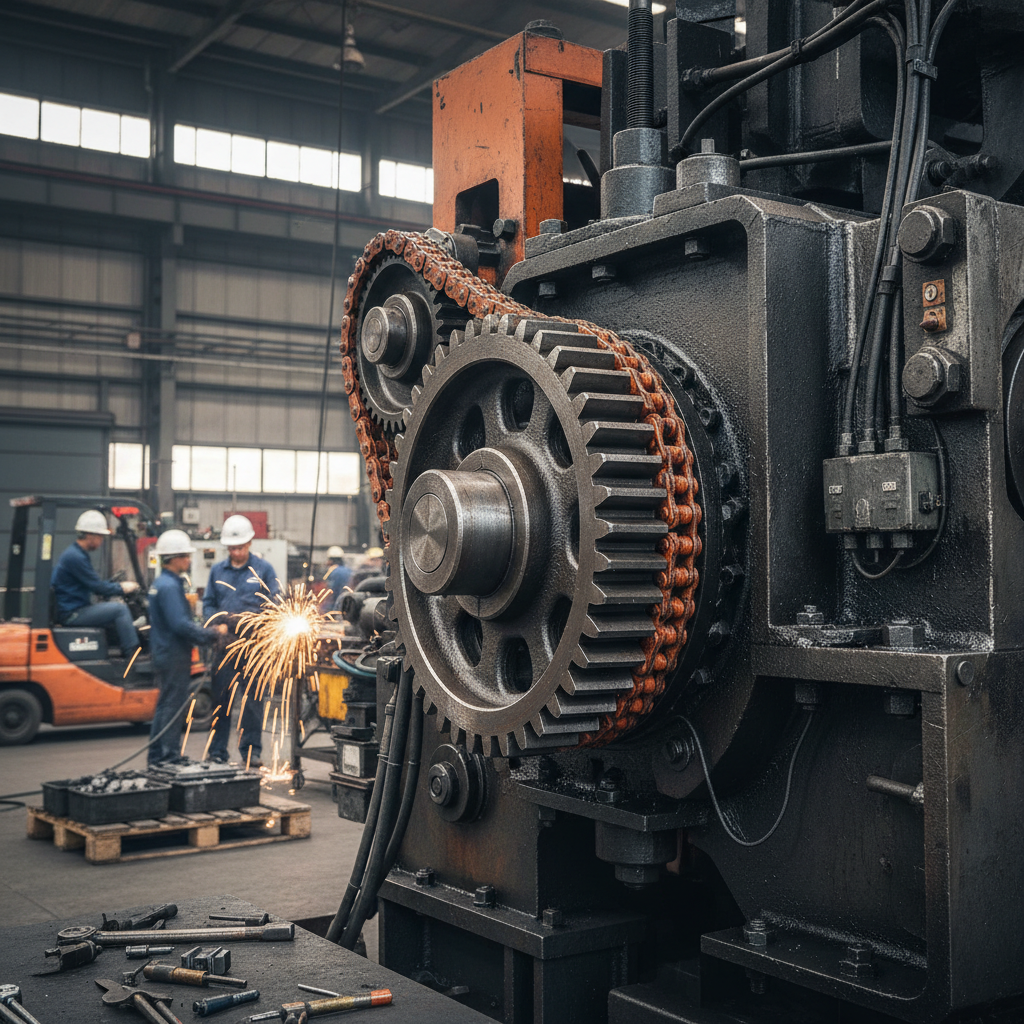





In the vast landscape of modern engineering and industrial applications, few materials command as much respect and utility as stainless steel plates. Revered for their exceptional corrosion resistance, high strength-to-weight ratio, and aesthetic versatility, these fundamental building blocks underpin countless structures and systems worldwide. This comprehensive guide delves into the intricate world of stainless steel plates, exploring their critical role, advanced manufacturing processes—including the integration of sophisticated sintered metal components—and their indispensable applications across diverse sectors. We aim to provide a deep dive into the technical intricacies, industry trends, and the inherent trustworthiness that makes stainless steel an unparalleled choice.
Current Industry Trends in Stainless Steel and Sintered Metal Technologies
The global demand for stainless steel plates continues to surge, driven by escalating infrastructure development, the expansion of renewable energy projects, and a heightened focus on hygiene and durability in sectors like food processing and healthcare. Simultaneously, advancements in powder metallurgy are positioning sintered metal technology, particularly in the creation of precise OEM sintered parts, as a revolutionary approach to manufacturing. The synergy between these two fields is profound: as industries demand more complex geometries and superior performance from stainless steel, traditional methods are often complemented or even replaced by the precision and material efficiency offered by sintering.
Key trends influencing the market include:
- Sustainability Focus: Increased emphasis on recycled content in stainless steel production and energy-efficient manufacturing processes, with sintering offering near-net-shape capabilities that reduce material waste.
- Digitalization and Automation: Integration of AI and machine learning in optimizing steel production and sintering parameters, leading to improved quality and reduced costs.
- Advanced Alloys: Development of new stainless steel grades with enhanced properties (e.g., super duplex steels for extreme environments, lean duplex steels for cost-effectiveness).
- Customization and Prototyping: The rise of custom manufacturing solutions for stainless steel plates and rapid prototyping via advanced sintered metal techniques, catering to highly specialized client needs.
- Miniaturization and Precision: Demand for smaller, more complex components, which OEM sintered parts are ideally suited to deliver, often made from stainless steel powders.
Technical Parameters and Specifications of Stainless Steel Plates
Stainless steel plates are available in various grades, each optimized for specific environments and applications. Understanding their technical parameters is crucial for selecting the right material. The most common grades fall into several families: Austenitic (e.g., 304, 316), Ferritic (e.g., 430), Martensitic (e.g., 410), Duplex (e.g., 2205), and Precipitation Hardening (e.g., 17-4 PH).
Key Mechanical and Chemical Properties
- Corrosion Resistance: Governed by chromium content (minimum 10.5%), with nickel, molybdenum, and nitrogen enhancing resistance to specific types of corrosion (pitting, crevice, intergranular). The Pitting Resistance Equivalent Number (PREN) is a common metric: PREN = %Cr + 3.3 × %Mo + 16 × %N.
- Tensile Strength: The maximum stress a material can withstand before breaking, typically ranging from 515 MPa to over 800 MPa for various grades.
- Yield Strength: The stress at which a material begins to deform plastically, crucial for structural integrity.
- Elongation: A measure of ductility, indicating how much the material can stretch before fracturing.
- Hardness: Resistance to indentation, often measured on the Brinell (HB) or Rockwell (HRB/HRC) scales.
- Weldability: The ease with which the material can be joined by welding, with some grades requiring special precautions to prevent sensitization or hot cracking.
- Formability: The ability to be bent, stretched, or drawn into desired shapes without cracking.
- Temperature Resistance: Performance at high or low temperatures, including creep resistance (deformation under sustained stress at high temperatures) and toughness at cryogenic temperatures.
Typical Stainless Steel Plate Specifications (Examples)
The following table provides a snapshot of common stainless steel plates grades and their general properties, offering a comparative overview for engineers and procurement specialists. These values are approximate and can vary based on specific manufacturing processes and standards (e.g., ASTM, EN).
| Grade (ASTM/UNS) | Type | Key Alloying Elements | Typical Yield Strength (MPa) | Typical Tensile Strength (MPa) | Typical Elongation (%) | Corrosion Resistance | Key Applications |
|---|---|---|---|---|---|---|---|
| 304 (S30400) | Austenitic | 18% Cr, 8% Ni | 205 | 515 | 40 | Excellent (general, fresh water) | Food processing, kitchen equipment, architectural |
| 316 (S31600) | Austenitic | 16% Cr, 10% Ni, 2-3% Mo | 205 | 515 | 40 | Superior (pitting, crevice, marine) | Marine, chemical processing, medical |
| 430 (S43000) | Ferritic | 17% Cr | 205 | 450 | 22 | Good (atmospheric) | Decorative trim, appliance liners |
| 2205 (S31803) | Duplex | 22% Cr, 5% Ni, 3% Mo, N | 450 | 620 | 25 | Excellent (stress corrosion cracking, high PREN) | Oil & gas, chemical tankers, structural |
| 17-4 PH (S17400) | Precipitation Hardening | 17% Cr, 4% Ni, Cu, Nb | 1170 (H900) | 1310 (H900) | 10 (H900) | Good (strength, moderate corrosion) | Aerospace, nuclear, medical instruments |
Diverse Application Scenarios of Stainless Steel Plates
The versatility of stainless steel plates enables their use across an incredibly broad spectrum of industries, solving challenges related to durability, hygiene, extreme environments, and aesthetics.
- Petrochemical and Chemical Processing: Used extensively for tanks, pressure vessels, heat exchangers, and piping systems due to their superior resistance to corrosive chemicals, high temperatures, and pressures. Grades like 316L and Duplex steels are particularly vital here, ensuring long operational lifespans and safety.
- Metallurgy: Critical for equipment exposed to high temperatures and corrosive environments within smelters, foundries, and rolling mills. They are also used in the construction of furnaces and conveying systems.
- Food and Beverage Industry: The hygienic, non-porous surface of stainless steel plates (especially 304 and 316) makes them ideal for food contact surfaces, processing equipment, storage tanks, and sanitary piping, preventing bacterial growth and ensuring product purity.
- Water Supply and Drainage Systems: Employed in water treatment plants, desalination facilities, and sewage systems for pipes, valves, and filtration components, benefiting from their resistance to water corrosion and biofouling.
- Architecture and Construction: Used for building facades, roofing, structural elements, and interior finishes, prized for their strength, low maintenance, and modern aesthetic.
- Medical and Pharmaceutical: Essential for surgical instruments, sterile environments, pharmaceutical manufacturing equipment, and implants due to their biocompatibility and ease of sterilization.
- Automotive and Transportation: Found in exhaust systems, structural components, and trim, offering corrosion resistance and durability.
- Energy Sector: Integral to nuclear power plants, solar energy installations, and offshore oil rigs, where reliability under extreme conditions is paramount.
Technical Advantages and Benefits
Choosing stainless steel plates translates into significant long-term advantages:
- Superior Corrosion Resistance: The passive chromium oxide layer spontaneously reforms, protecting the steel from rust and various forms of chemical attack, significantly extending product lifespan.
- High Strength and Durability: Offers excellent mechanical properties, allowing for lighter designs and greater load-bearing capabilities compared to other materials.
- Hygiene and Cleanability: Its non-porous surface inhibits bacterial growth and is easy to clean, making it indispensable in sterile and food-grade environments.
- Aesthetic Appeal: Modern, clean appearance suitable for architectural and decorative applications.
- Heat and Fire Resistance: Maintains strength at elevated temperatures and does not contribute to flame spread, making it suitable for high-temperature applications and fire safety.
- Full Recyclability: Environmentally friendly, as stainless steel plates are 100% recyclable without any degradation of quality, supporting circular economy principles.
- Low Maintenance: Requires minimal upkeep over its long service life, reducing operational costs.
The Manufacturing Journey of Stainless Steel Plates and Sintered Metal Components
The creation of high-quality stainless steel plates is a complex, multi-stage process involving precise control over metallurgy and mechanics. Concurrently, the rise of powder metallurgy for products like the Sintered Metal Component offers complementary advantages, especially for complex geometries or specialized properties achievable through sintering stainless steel powders.
Manufacturing Process for Stainless Steel Plates (Traditional Rolling Methods)
The general process flow for producing stainless steel plates involves several critical steps, ensuring the final product meets stringent quality and performance standards (e.g., ISO 9001, ASTM A240/A240M for chromium-nickel stainless steel plates):
- Raw Material Preparation & Melting: High-purity raw materials (iron ore, chromium, nickel, molybdenum, etc., along with scrap stainless steel) are melted in an Electric Arc Furnace (EAF) or Induction Furnace.
- Refining: The molten metal is transferred to an Argon Oxygen Decarburization (AOD) converter or Vacuum Oxygen Decarburization (VOD) unit to remove impurities like carbon and nitrogen, and precisely adjust the alloy composition. This step is crucial for achieving desired stainless steel grades and properties.
- Casting: The refined liquid steel is cast into semi-finished forms such as slabs (for plates) or billets (for bars/wires) using continuous casting or ingot casting methods. The cooling rate is carefully controlled.
- Hot Rolling: Slabs are reheated and passed through a series of heavy rollers at high temperatures (typically above 900°C). This reduces the thickness of the material, refines the grain structure, and improves mechanical properties. This is where the initial stainless steel plates take shape.
- Annealing: The hot-rolled plates undergo annealing, a heat treatment process where they are heated to a specific temperature and then slowly cooled. This relieves internal stresses, improves ductility, and re-establishes the desired microstructure.
- Descaling (Pickling): After annealing, the plates have an oxide scale (surface discoloration) that must be removed. This is typically done through acid pickling (using nitric and hydrofluoric acids) or mechanical descaling methods (shot blasting) to restore the bright, corrosion-resistant surface.
- Cold Rolling (Optional for Thinner Gauges/Improved Finish): For thinner plates or those requiring a smoother surface finish and tighter tolerances, a cold rolling process is used. This involves rolling the steel at room temperature, which further reduces thickness and enhances surface quality.
- Finishing: Various finishing operations can be applied, including polishing, grinding, or brushing, to achieve specific surface appearances (e.g., 2B, BA, No. 4, HL).
- Cutting & Inspection: The finished stainless steel plates are cut to desired dimensions. Rigorous inspection (visual, dimensional, ultrasonic, mechanical testing) ensures compliance with quality standards (e.g., ISO, ANSI/ASTM standards for dimensions and mechanical properties).
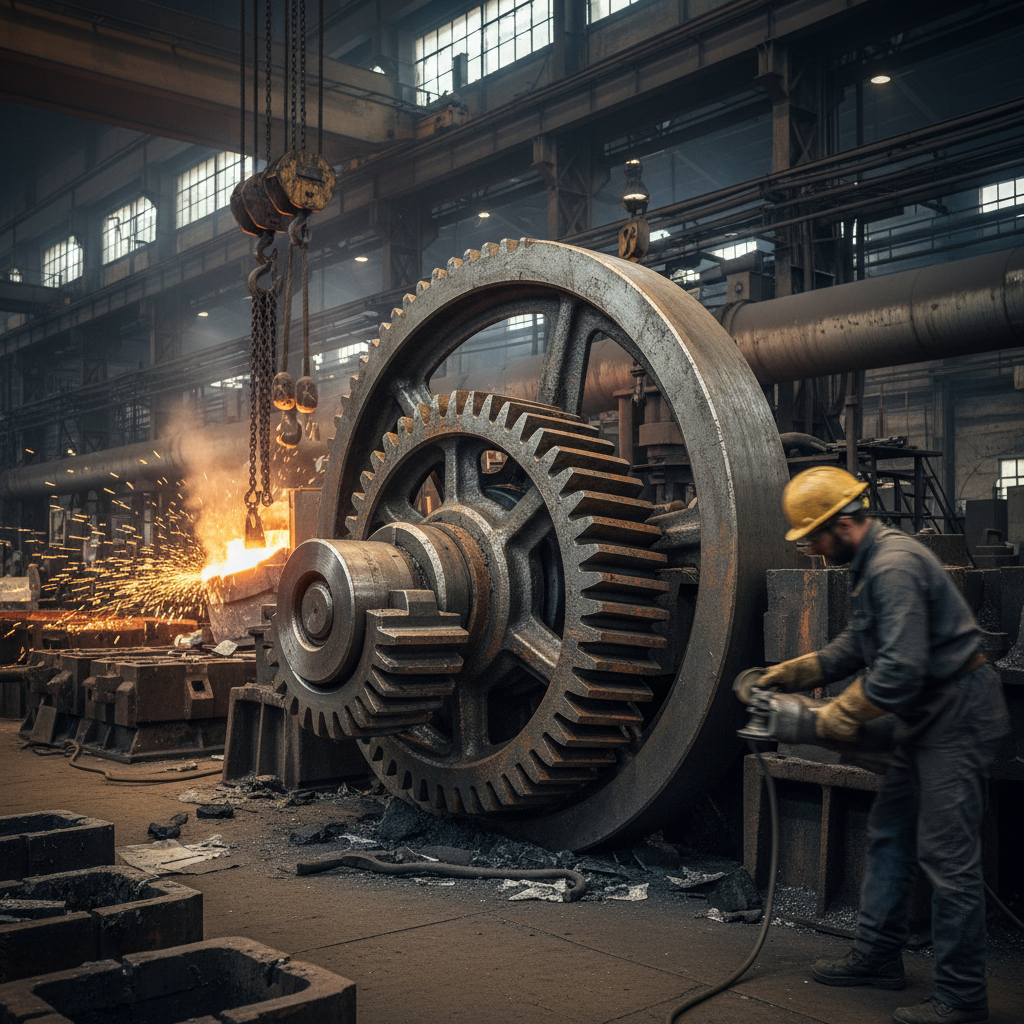
An illustrative depiction of stainless steel production stages, highlighting key processing steps.
The Sintering Process for Sintered Metal Components (Product Name: Sintered metal component)
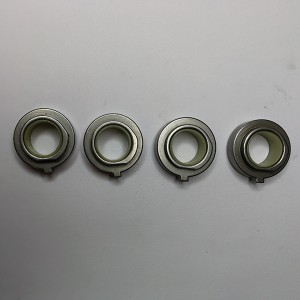
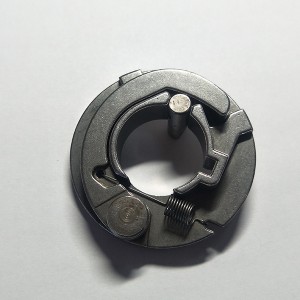
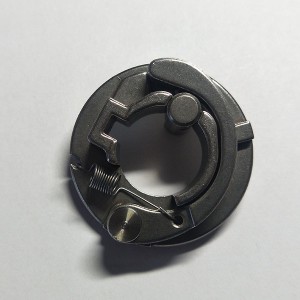
While stainless steel plates are typically produced via rolling, the product "Sintered metal component" (URL: https://www.jssintering.com/sintered-metal-component.html) utilizes powder metallurgy (PM), a distinct but equally vital manufacturing technique, especially when these components are made from stainless steel powders. This process is ideal for producing complex, high-precision OEM sintered parts with minimal material waste and excellent mechanical properties.
- Powder Production: High-quality stainless steel powders (e.g., 316L, 304L grades in powder form) are produced through atomization or other methods. Particle size, shape, and distribution are critical for the final part's properties.
- Mixing: The stainless steel powders are precisely mixed with alloying elements (if needed) and lubricants to ensure homogeneity and aid compaction.
- Compaction: The powder mixture is pressed in a die at high pressures (typically 400-800 MPa) to form a "green" compact, which has the desired shape but lacks strength. This step determines the initial density and dimensions.
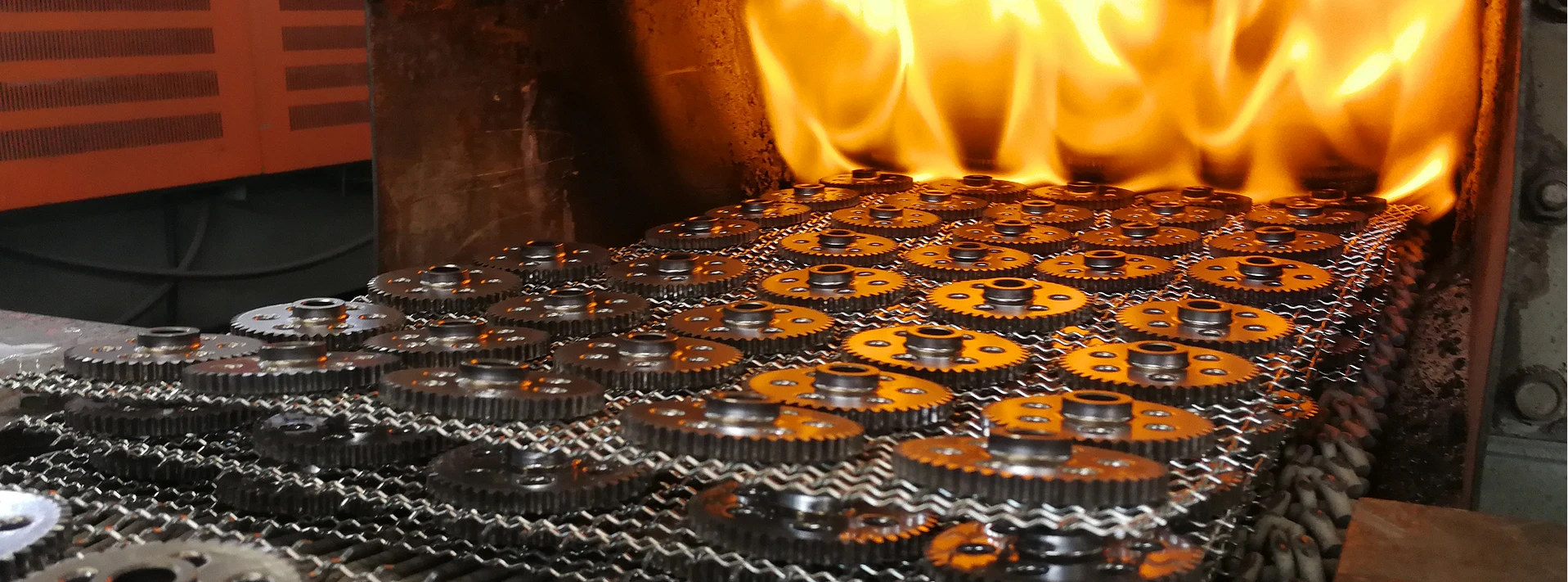
- Sintering: The green compacts are heated in a controlled atmosphere furnace (often hydrogen or dissociated ammonia to prevent oxidation) to a temperature below the melting point of the main constituent (e.g., 1120-1300°C for stainless steel). During sintering, particles bond metallurgically, leading to densification, strengthening, and the formation of a strong, coherent structure. This is the heart of the sintered metal process.
- Sizing & Post-Sintering Operations (Optional):
- Sizing/Coining: Further pressing to achieve tighter dimensional tolerances or higher density.
- Heat Treatment: To enhance hardness, strength, or corrosion resistance (e.g., solution annealing, precipitation hardening for certain stainless grades).
- Infiltration: Filling pores with a lower melting point metal (e.g., copper) to improve density and strength.
- Impregnation: Filling pores with oil or resin for self-lubrication or sealing.
- Machining: For features not achievable through pressing, or to meet ultra-tight tolerances.
- Surface Treatment: Passivation, electro-polishing, or coating to enhance corrosion resistance or appearance, particularly crucial for stainless steel plates and components.
- Quality Control: Each sintered metal component undergoes rigorous quality checks, including dimensional checks, density measurements, hardness testing, and often porosity analysis or corrosion resistance tests (e.g., ASTM B893 for sintered stainless steels).
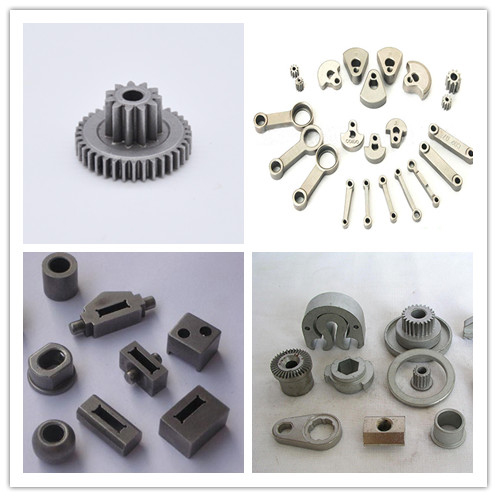
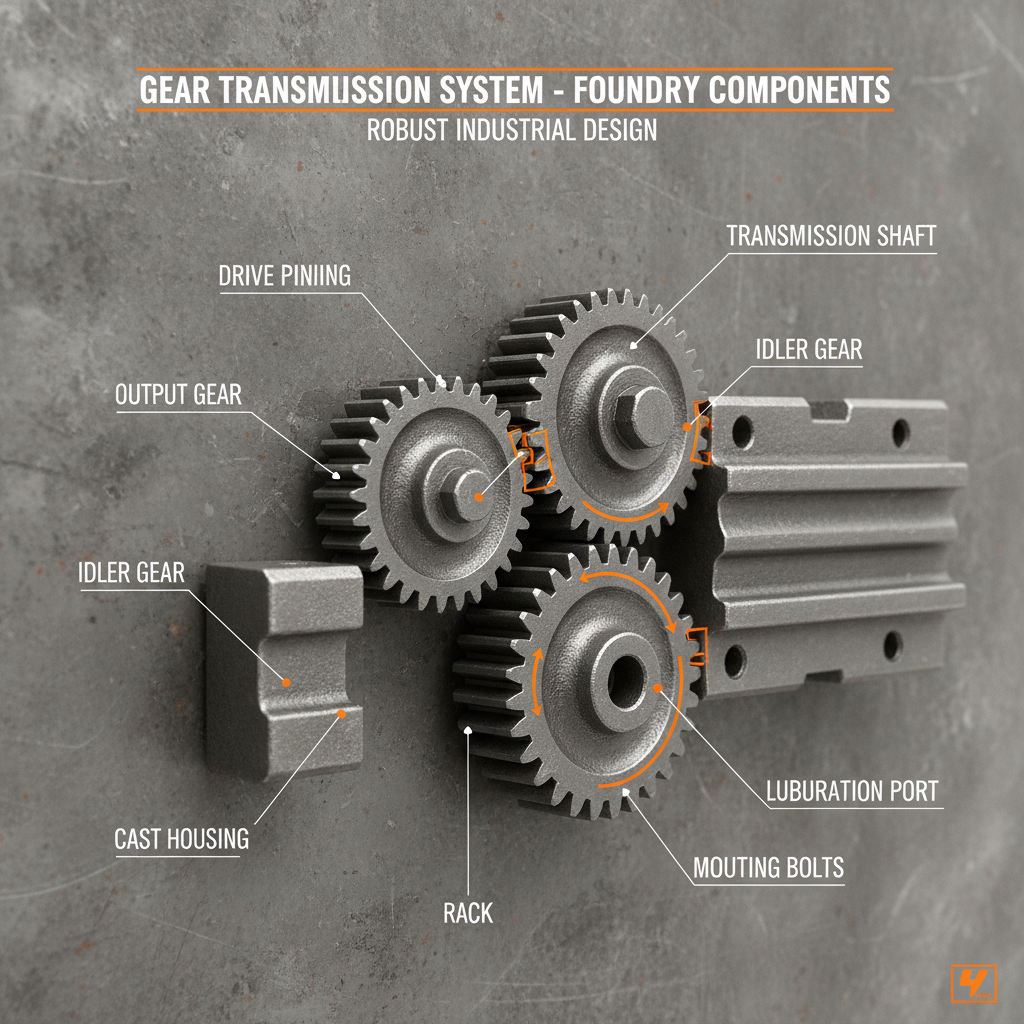
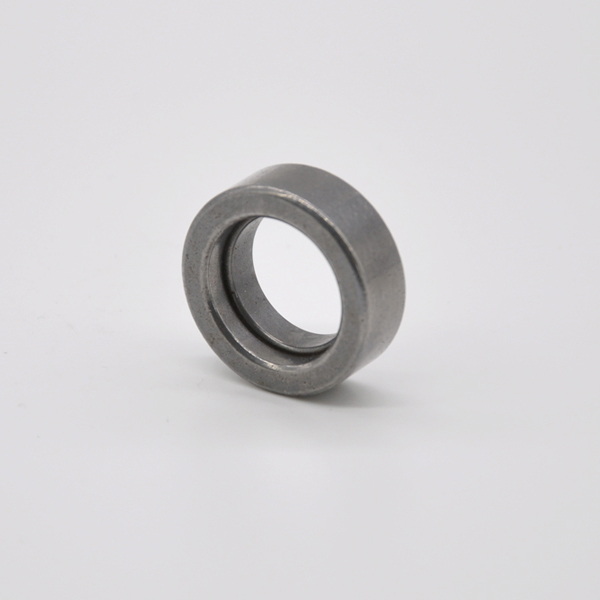
Examples of precision sintered metal components, highlighting the complexity achievable with powder metallurgy.
Highlighting Product Advantages: Sintered metal components, particularly those made from stainless steel, excel in applications requiring high precision, complex geometries, and excellent surface finish, often reducing machining costs compared to casting or machining from wrought products. Their uniform microstructure also contributes to consistent performance, crucial for demanding environments like those found in petrochemical or medical fields where OEM sintered parts are increasingly utilized. For instance, an OEM sintered part made from 316L stainless steel powder can provide excellent corrosion resistance and mechanical strength for a critical valve component in a chemical processing plant, contributing to energy efficiency and anti-corrosion properties of the overall system.
Choosing the Right Partner: Manufacturer Comparison
Selecting a reputable manufacturer for stainless steel plates or sintered metal components is paramount to project success. While specific company names won't be listed, here are critical factors to consider, reflecting expertise, experience, and trustworthiness:
- Certifications & Quality Standards: Look for manufacturers holding ISO 9001 (Quality Management System), ISO 14001 (Environmental Management System), and specific industry certifications like AS9100 (Aerospace) or IATF 16949 (Automotive), if applicable. Compliance with ASTM, ANSI, EN, JIS standards for materials and testing is non-negotiable.
- Experience & Expertise: Evaluate the company's track record, years in business, and demonstrable expertise in specific stainless steel grades or complex powder metallurgy processes. A long service history and extensive portfolio of challenging projects are strong indicators.
- Technology & R&D Capabilities: Advanced manufacturing equipment, robust R&D programs for new alloys or processing techniques, and the ability to innovate are vital for staying competitive and delivering cutting-edge solutions.
- Customization & Engineering Support: A strong partner offers comprehensive design and engineering support, working closely with clients to develop tailored stainless steel plates or OEM sintered parts that precisely meet unique application requirements. This includes material selection, design optimization, and prototyping.
- Supply Chain & Logistics: Reliability in sourcing high-quality raw materials and efficient logistics ensure on-time delivery and cost-effectiveness.
- Customer Service & Support: Responsiveness, clear communication, and comprehensive post-sales support (including technical assistance and warranty services) are hallmarks of a trustworthy supplier.
- Environmental and Safety Compliance: Adherence to strict environmental regulations and safety protocols in their manufacturing operations demonstrates responsible corporate practices.
Tailored Solutions: Customization and OEM Sintered Parts
Modern industrial demands rarely fit a one-size-fits-all mold. Leading manufacturers of stainless steel plates and sintered metal components excel in providing highly customized solutions:
- Custom Dimensions and Forms: Producing stainless steel plates in non-standard widths, lengths, or thicknesses, or fabricating them into specific shapes (e.g., laser cut, plasma cut).
- Specialized Alloys and Finishes: Working with customers to select or even develop specific stainless steel alloys for extreme corrosion, high temperature, or unique mechanical property requirements. This also extends to custom surface finishes for aesthetic or functional needs (e.g., sanitary finishes, non-slip textures).
- OEM Sintered Part Design and Prototyping: For sintered metal components, this involves collaborative design for manufacturability (DFM), leveraging the near-net-shape capability of sintering to produce complex geometries directly, minimizing post-processing. Prototypes can be rapidly produced for testing and validation.
- Integrated Solutions: Providing value-added services such as welding, bending, machining, and assembly of stainless steel plates into larger structures or sub-assemblies. For OEM sintered parts, this might include incorporating specific features like threads or bearings directly into the sintered part.
- Performance Optimization: Through advanced simulation and testing, manufacturers can optimize designs of both stainless steel plates and sintered metal parts for specific loads, environmental conditions, and expected lifespans, ensuring maximum efficiency and reliability.
Real-World Impact: Application Cases and Customer Success
The practical application of stainless steel plates and sintered metal components consistently demonstrates their superior performance and economic value. Here are a few illustrative examples:
- Chemical Reactor Vessels (Stainless Steel Plate Application): A leading chemical producer required new reactor vessels capable of withstanding highly corrosive acids and elevated temperatures. By utilizing custom-fabricated 2205 Duplex stainless steel plates (with a PREN value of >35) in thicknesses up to 25mm, the new vessels demonstrated a 40% increase in service life compared to previous materials, significantly reducing maintenance downtime and replacement costs. The superior stress corrosion cracking resistance of Duplex steel was key to this success.
- High-Precision Fuel Injector Components (Sintered Metal Component Application): An automotive engine manufacturer needed small, intricately shaped components for fuel injection systems that demanded extreme precision and wear resistance. Traditional machining was prohibitively expensive. By partnering with a specialist in OEM sintered parts, they developed components from 440C stainless steel powder using a sophisticated powder metallurgy process. These sintered metal components achieved a dimensional tolerance of ±0.05mm and a hardness of HRC 58 post-sintering, leading to a 25% reduction in production costs and a 15% improvement in fuel injector efficiency due to enhanced sealing and wear properties.
- Waste Water Treatment Filtration Units (Stainless Steel Plate and Sintered Metal Integration): A municipal water treatment plant upgraded its filtration system to combat increasingly aggressive wastewater. They installed filtration frames made from 316L stainless steel plates (renowned for excellent anti-corrosion properties in aqueous environments). Within these frames, specialized sintered metal filter elements (also from 316L stainless steel powder) were integrated. This combination resulted in a system with superior resistance to biological fouling and chemical degradation, extending maintenance cycles by over 50% and ensuring consistent water quality, demonstrating the combined strength of these materials for long-term operational excellence.
Frequently Asked Questions (FAQ)
- What is the primary difference between 304 and 316 stainless steel plates?
The main difference lies in the addition of molybdenum in 316 stainless steel plates (typically 2-3%). This molybdenum content significantly enhances 316's resistance to pitting and crevice corrosion, especially in chloride-rich environments (like marine applications or chemical processing), making it superior to 304 in such conditions.
- How does the "sintering" process contribute to the performance of a Sintered Metal Component?
Sintering is a heat treatment process that transforms loose powder compacts into dense, strong components. During sintering, particles bond metallurgically at temperatures below their melting point, resulting in controlled porosity, high strength, excellent dimensional stability, and often, improved mechanical properties and corrosion resistance compared to other forming methods, especially for complex OEM sintered parts. This process allows for creation of components from materials like stainless steel powders that might be difficult to machine or cast.
- What are the key inspection standards for stainless steel plates?
Common inspection standards include ASTM A240/A240M (for pressure vessels and general applications), ASME SA-240 (for boiler and pressure vessel code applications), EN 10088 (European standards), and JIS G4304/G4305 (Japanese industrial standards). These cover chemical composition, mechanical properties, dimensions, surface finish, and testing methods like ultrasonic and hardness tests.
- Can stainless steel plates be welded? Are there special considerations?
Yes, stainless steel plates are generally weldable, but specific grades require careful consideration. Austenitic grades (like 304, 316) are highly weldable, but low-carbon versions (304L, 316L) are preferred to minimize sensitization (carbide precipitation that can lead to intergranular corrosion). Ferritic and Martensitic grades may require preheating, post-weld heat treatment, or specific filler metals to avoid cracking or embrittlement.
- What is passivation, and why is it important for stainless steel?
Passivation is a post-fabrication chemical treatment (typically with nitric acid) that removes free iron and other contaminants from the surface of stainless steel plates, promoting the spontaneous formation of a uniform, protective chromium-rich oxide layer. This enhanced passive layer significantly improves the material's inherent corrosion resistance, crucial for long-term performance.
- What is the typical lifespan of a stainless steel component in harsh environments?
The lifespan of a stainless steel plates or sintered metal component in harsh environments is highly dependent on the specific grade chosen, the severity of the environment (e.g., concentration of corrosive agents, temperature, stress levels), and proper installation/maintenance. With appropriate material selection (e.g., Duplex or Super Duplex for extreme conditions) and regular upkeep, stainless steel plates can last for many decades, often exceeding 50 years, significantly outperforming carbon steel or other alloys. For example, some specialized OEM sintered parts in chemical pumps have demonstrated over 10 years of continuous operation without failure.
- How are custom OEM sintered parts specified and ordered?
Specifying custom OEM sintered parts typically begins with detailed engineering drawings (2D and 3D CAD), material specifications (e.g., stainless steel grade, powder type), required tolerances, mechanical property targets (e.g., strength, hardness), desired surface finish, and anticipated annual volume. Manufacturers then collaborate with the client on design for manufacturability (DFM) to optimize the part for the powder metallurgy process, often providing prototypes before full production.
Ensuring Trustworthiness: Delivery, Warranty, and Customer Support
A reputable supplier of stainless steel plates and sintered metal components stands behind their products and services. Transparency and commitment to customer satisfaction are paramount:
- Delivery and Lead Times: Clear communication regarding manufacturing lead times, shipping options (e.g., sea freight, air freight, express courier), and realistic delivery schedules. Reputable suppliers often utilize advanced logistics systems to track orders and provide real-time updates. Typical lead times for standard stainless steel plates might range from 2-4 weeks, while complex OEM sintered parts could involve 8-12 weeks for tooling and first article production.
- Quality Assurance & Certifications: Beyond product-specific certifications (like ASTM), a trustworthy company provides material test reports (MTRs) for every batch of stainless steel plates or sintered metal components, verifying chemical composition, mechanical properties, and compliance with standards. ISO 9001 certification indicates a robust quality management system in place.
- Warranty Commitment: A clear, concise warranty statement outlining the guarantee period, terms, and conditions against manufacturing defects or material failures. This demonstrates confidence in their product quality.
- After-Sales Customer Support: Dedicated customer service teams available for technical inquiries, troubleshooting, and addressing any concerns post-delivery. This includes providing installation guidelines for stainless steel plates or assistance with specific sintered metal part integration challenges.
- Traceability: Implementing full traceability systems from raw materials to finished products, allowing for quick identification and resolution of any potential issues.
Conclusion: The Enduring Value of Stainless Steel and Sintered Metal Innovation
Stainless steel plates are not merely commodities; they are high-performance engineering materials vital to modern infrastructure and advanced industrial processes. Their unparalleled combination of corrosion resistance, strength, and versatility ensures their continued dominance across critical sectors, from energy to healthcare. As manufacturing evolves, the integration of cutting-edge technologies like powder metallurgy for producing precision sintered metal components, including sophisticated OEM sintered parts made from stainless steel powders, further expands the capabilities and efficiency of material solutions. This synergistic relationship drives innovation, enabling the creation of components that are not only robust and long-lasting but also increasingly cost-effective and environmentally sustainable.
The decision to invest in high-quality stainless steel plates or customized sintered metal components is a strategic one, promising long-term reliability, reduced maintenance, and superior performance. By partnering with manufacturers who demonstrate profound expertise, practical experience, undisputed authoritativeness, and unwavering trustworthiness, industries can unlock the full potential of these remarkable materials, building a future that is more resilient, efficient, and sustainable.
References and Further Reading:
- ASM International. (2008). ASM Handbook, Volume 1: Properties and Selection: Irons, Steels, and High-Performance Alloys. ASM International. (Referenced for general stainless steel properties and applications)
- MPIF (Metal Powder Industries Federation). (2023). Standard Test Methods for Metal Powders and Powder Metallurgy Products. (For insights into sintered metal component testing and standards) [No direct public link, but refers to industry standards often cited by PM manufacturers].
- Euro Inox. (Various Publications). Stainless Steel in Architecture, Engineering, and Construction. (Provides application case studies and technical data on stainless steel plates use in construction and infrastructure). Example: https://www.euroinox.org/wp-content/uploads/The-Selection-of-Stainless-Steels_EN.pdf
- Stainless Steel World. (Various Articles). Recent developments in stainless steel alloys and applications. (Industry forum and magazine for up-to-date trends and research). Example: https://www.stainless-steel-world.net/magazine/articles/2023/1/stainless-steel-materials-for-harsh-environments.html
- International Stainless Steel Forum (ISSF). (Various Reports). Global stainless steel statistics and sustainability reports. (Provides high-level industry data and trends). Example: https://www.worldstainless.org/sustainability/