




The Crucial Role of OEM Gear in Modern Industrial Applications
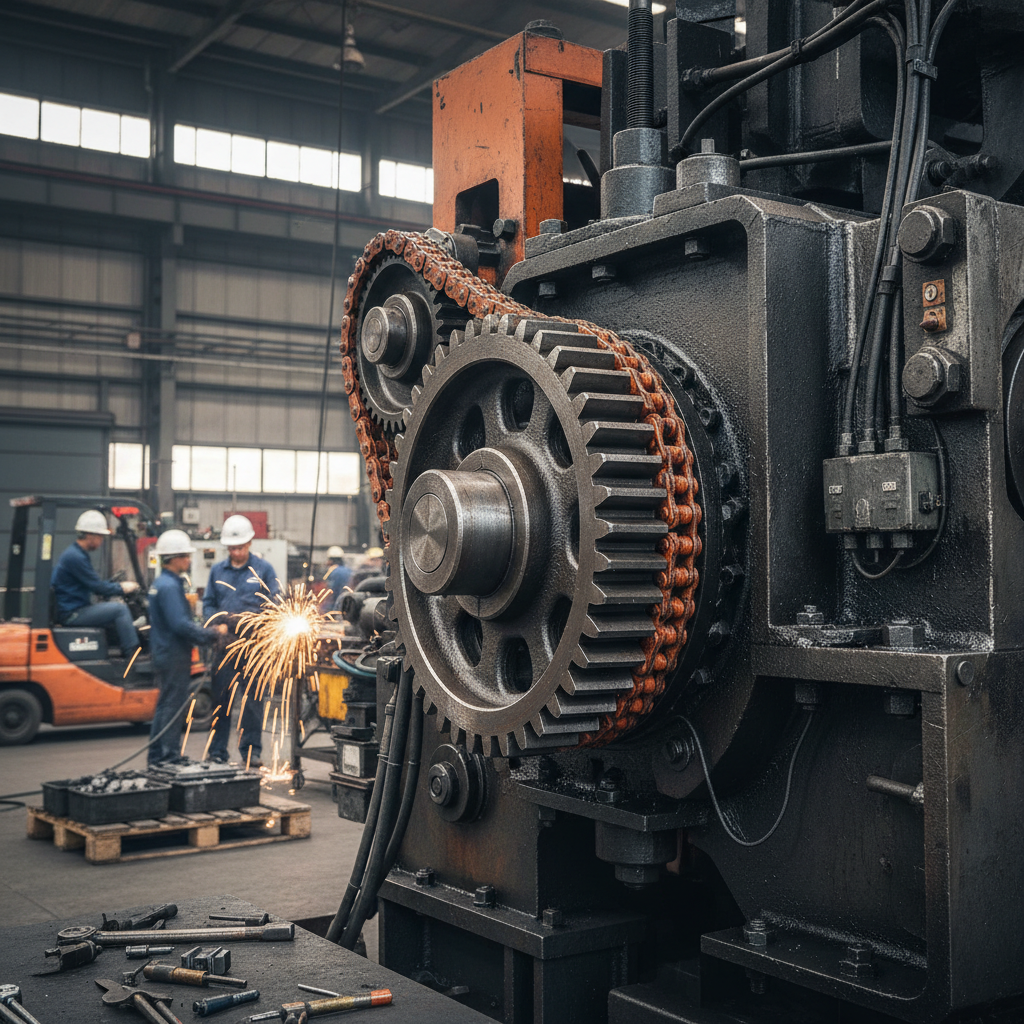
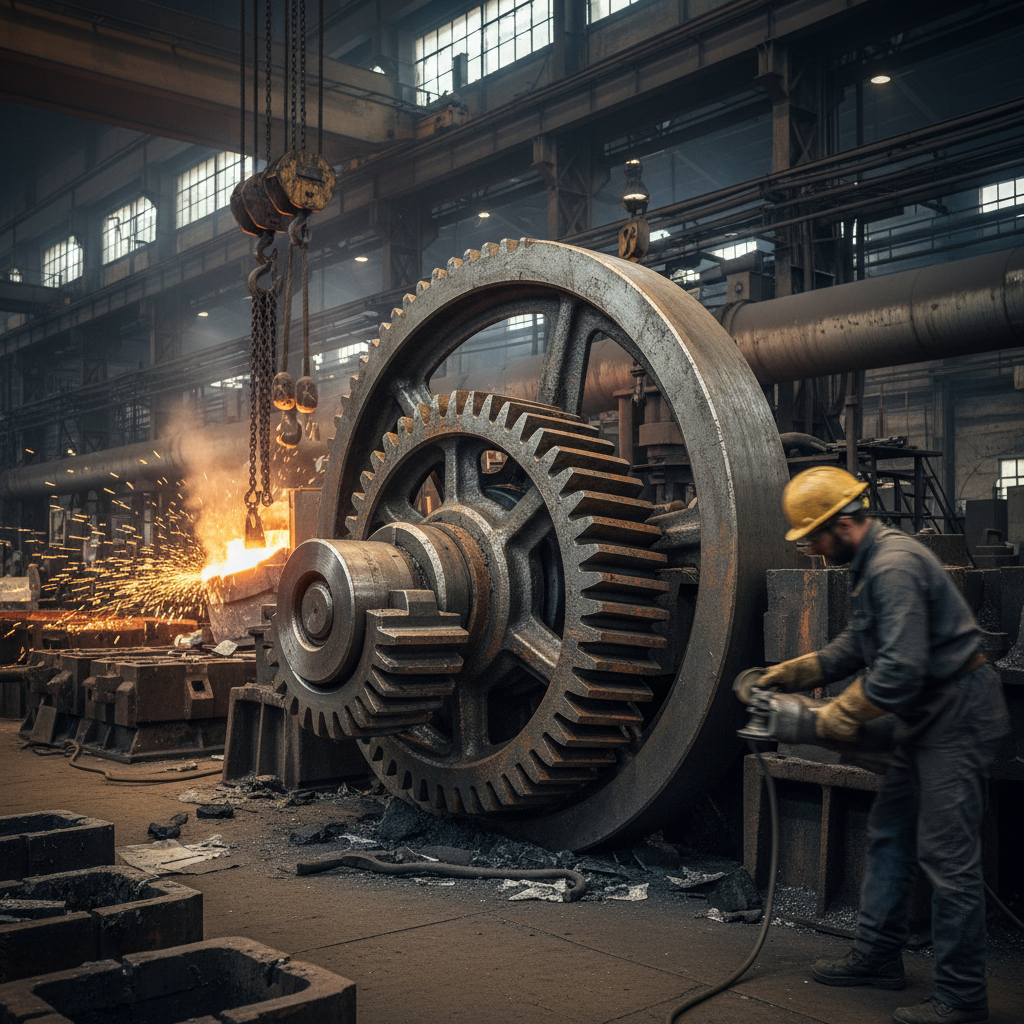
In today's highly specialized manufacturing landscape, the demand for precision-engineered components is paramount. OEM gear plays a critical role across diverse sectors, from automotive and aerospace to industrial machinery and fluid power systems. These components are not merely replacements but are often custom-designed to integrate seamlessly into complex assemblies, ensuring optimal performance, longevity, and efficiency. The evolution of manufacturing technologies, coupled with stringent industry standards, has propelled the OEM gear market into a phase of continuous innovation, driven by materials science advancements and sophisticated processing techniques. This article delves into the intricacies of OEM gear manufacturing, focusing on critical aspects such as process flow, technical advantages, and market applications, particularly highlighting the expertise in producing intricate components like the Factory Supply OEM Vane Pump Inner Rotor.
The market for oem auto parts and oem metal parts is experiencing robust growth, fueled by the increasing complexity of modern vehicles and machinery. As original equipment manufacturers strive for higher performance, reduced weight, and improved fuel efficiency, the specifications for custom gears become more demanding. This necessitates a profound understanding of material properties, design optimization, and rigorous quality control at every stage of production. Suppliers specializing in OEM components must demonstrate not only manufacturing prowess but also deep technical expertise to meet these evolving requirements.
Factory Supply OEM Vane Pump Inner Rotor: Precision in Motion
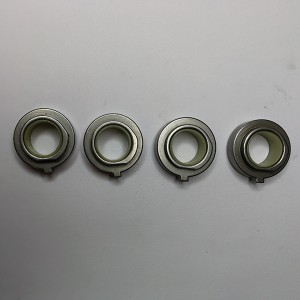
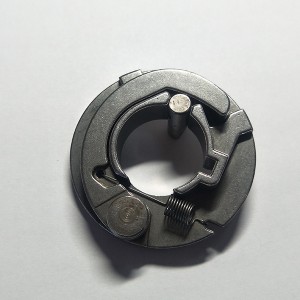
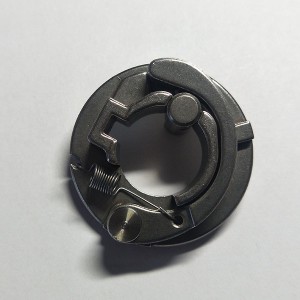
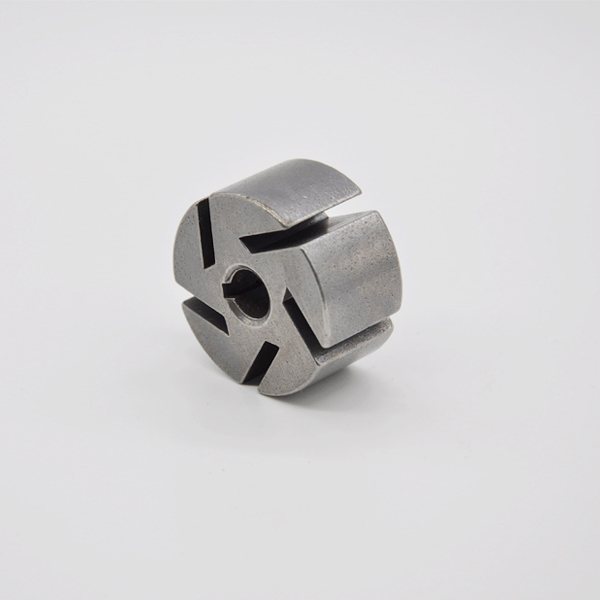
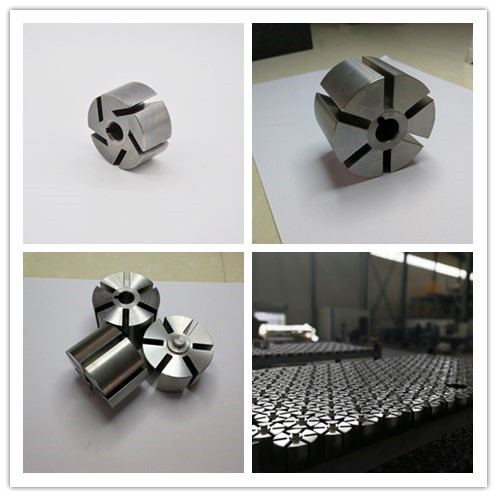
A prime example of highly specialized oem gear is the Factory Supply OEM Vane Pump Inner Rotor. This component is integral to the efficiency and reliability of vane pumps, widely used in hydraulic systems, automotive power steering, and fuel pumps. The rotor's design, material composition, and manufacturing precision directly influence the pump's volumetric efficiency, noise levels, and overall service life. Crafted typically from high-strength powder metallurgy alloys or specialized tool steels, these rotors are engineered to withstand extreme pressures, high rotational speeds, and aggressive fluid environments without compromising performance.
The unique geometry of the inner rotor, with its precisely machined slots for the vanes, demands exceptional manufacturing accuracy. Any deviation can lead to reduced pump efficiency, increased wear, and premature failure. Therefore, suppliers must leverage advanced manufacturing techniques and maintain exceptionally tight tolerances. The integrity of the rotor is critical for preventing cavitation and ensuring smooth, consistent fluid flow, which is vital in applications where precise pressure control and reliable operation are non-negotiable.
Utilizing materials with specific properties, such as high wear resistance and excellent machinability, is key to producing durable and high-performing oem metal parts like the vane pump rotor. The choice of material often depends on the fluid being pumped, the operating temperature range, and the required service life. For instance, in applications handling corrosive fluids, materials with superior corrosion resistance are selected, whereas for high-pressure systems, alloys with higher tensile strength and fatigue resistance are preferred.
The Meticulous Manufacturing Process of OEM Gear
Material Selection and Initial Shaping
The manufacturing of advanced oem gear, including the vane pump inner rotor, begins with rigorous material selection. Common materials include alloy steels (e.g., 20CrMo, 42CrMo), stainless steels (e.g., 304, 316 for corrosion resistance), and specialized powder metallurgy alloys for applications requiring high precision and specific wear properties. Forging or casting might be used for initial rough shaping, providing a strong, dense grain structure. However, for components demanding intricate details and superior surface finish, such as gear teeth or rotor slots, methods like powder metallurgy are increasingly favored. This process involves compacting fine metal powders into a desired shape, followed by sintering at high temperatures to bond the particles.
Precision Machining and Heat Treatment
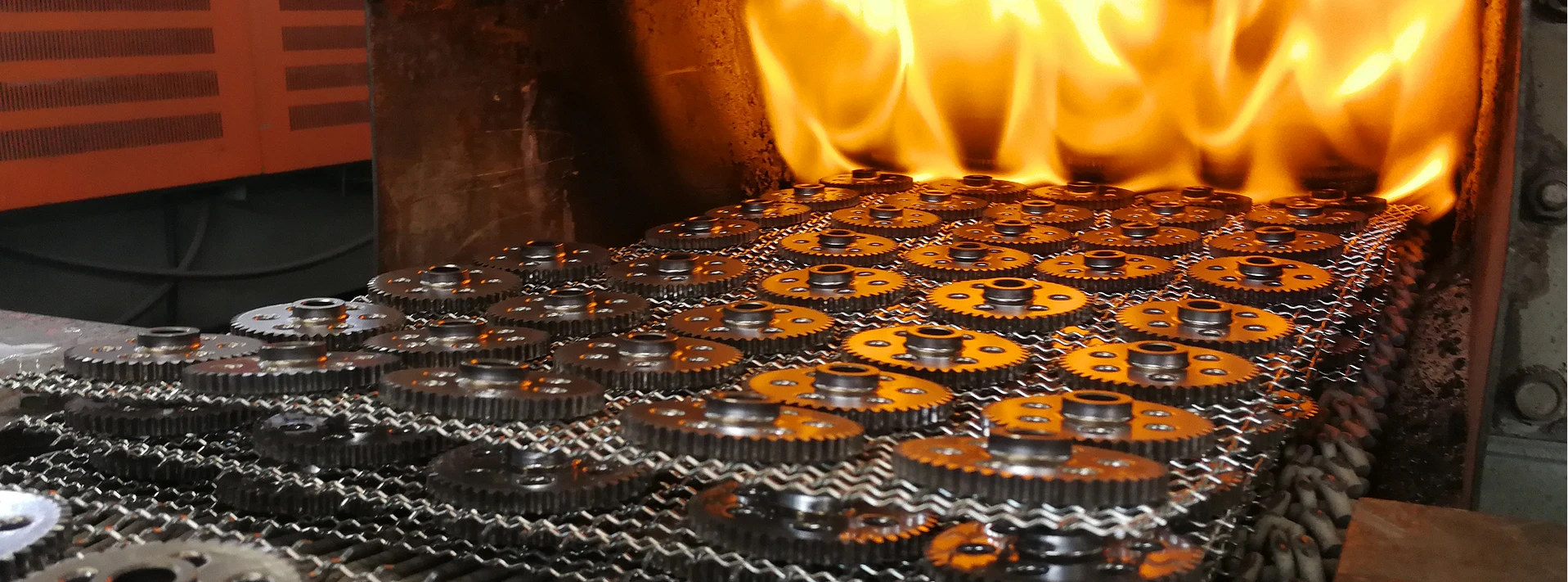
Following initial shaping, CNC (Computer Numerical Control) machining becomes indispensable for achieving the required geometric precision. Multi-axis CNC machines are utilized to cut, mill, and bore intricate features, ensuring micron-level accuracy. For the Factory Supply OEM Vane Pump Inner Rotor, this stage involves precise slot cutting for the vanes and ensuring concentricity of the bore. Heat treatment processes, such as carburizing, nitriding, or induction hardening, are then applied to enhance the component's surface hardness, wear resistance, and fatigue strength without compromising core toughness. This critical step ensures the longevity and reliability of the oem auto parts under extreme operating conditions.
Rigorous Inspection and Quality Assurance
Quality control is paramount in oem metal parts manufacturing. Components undergo stringent inspection based on international standards such as ISO (International Organization for Standardization), ANSI (American National Standards Institute), and AGMA (American Gear Manufacturers Association). This includes dimensional inspection using CMM (Coordinate Measuring Machine), surface roughness testing, hardness testing (e.g., Rockwell, Vickers), and metallurgical analysis to verify material composition and grain structure. Non-destructive testing methods like magnetic particle inspection or ultrasonic testing may also be employed to detect internal flaws. These meticulous checks ensure that every oem gear meets exact specifications, contributing to a longer service life and reliable performance in demanding environments like petrochemical, metallurgy, and water supply/drainage systems, where anti-corrosion and energy efficiency are critical.
Technical Advantages and Application Scenarios
The technical advantages of precisely engineered oem gear are manifold. Components manufactured to tight tolerances and with optimized material properties offer superior performance. For instance, in hydraulic pumps, the Factory Supply OEM Vane Pump Inner Rotor contributes directly to enhanced volumetric efficiency, reducing energy consumption and operational costs. Its robust construction ensures extended service life, minimizing downtime and maintenance requirements. In applications like petrochemical processing, where equipment is exposed to aggressive chemicals, oem metal parts designed with corrosion-resistant alloys are crucial for operational safety and longevity.
Typical application scenarios for high-quality oem auto parts and industrial gears include:
- Automotive: Transmission systems, power steering pumps, engine components, ABS systems.
- Industrial Machinery: Robotics, textile machinery, packaging equipment, material handling systems.
- Fluid Power Systems: Hydraulic pumps, compressors, pneumatic systems in industries like agriculture, construction, and manufacturing.
- Energy Sector: Wind turbine gearboxes, oil and gas drilling equipment, power generation systems.
- Aerospace: Actuators, landing gear mechanisms, flight control systems (though often requiring even stricter certifications like AS9100).
The ability of OEM components to perform reliably in harsh conditions, from high temperatures to abrasive environments, underscores their value. The focus on energy efficiency is also a major driver, with optimized gear profiles and surface finishes reducing friction and power loss, leading to significant long-term savings for industrial operators.
OEM Gear Parameters and Manufacturer Comparison
When sourcing oem gear, understanding key technical parameters is vital. These specifications dictate performance, compatibility, and cost-effectiveness. Below is a table outlining common parameters relevant to various OEM gears, including the characteristics often sought in high-quality items like the Factory Supply OEM Vane Pump Inner Rotor.
| Parameter | Typical Range/Value for High-Quality OEM Gear | Impact on Performance |
|---|---|---|
| Material Hardness (HRC) | 58-62 HRC (case hardened), 28-35 HRC (through hardened) | Crucial for wear resistance and component lifespan, especially in high-load applications. |
| Dimensional Tolerance | ISO 2768-mK, AGMA Quality Level 10-12 (for gears) | Affects backlash, noise, vibration, and overall efficiency of the assembly. Tighter tolerances improve precision. |
| Surface Roughness (Ra) | 0.4 - 1.6 μm for critical surfaces | Impacts friction, wear, and lubricant film integrity. Smoother surfaces reduce energy loss. |
| Fatigue Strength | > 800 MPa (for high-stress applications) | Determines the component's ability to withstand cyclic loading without failure, essential for long-term reliability. |
| Corrosion Resistance | Dependent on material (e.g., 316 SS for chemical resistance) | Critical for applications in humid, chemical, or marine environments to prevent degradation. |
When comparing manufacturers, beyond these technical parameters, focus on their certifications (e.g., ISO 9001, IATF 16949 for oem auto parts), their track record with complex projects, and their ability to provide comprehensive engineering support from design to delivery. A reputable supplier will offer detailed test data and transparent reporting to ensure full compliance with client specifications.
Customization, Quality Assurance, and Customer Support
In the B2B landscape, the ability to provide tailored solutions is a hallmark of a leading oem gear supplier. Customization involves more than just producing parts to drawing; it extends to collaborating on design optimization, material selection for specific operational environments, and developing unique manufacturing processes to meet performance goals. For instance, for a client requiring a vane pump inner rotor for a novel fluid, a reputable manufacturer will conduct material compatibility tests and suggest alternative alloys or surface treatments to ensure optimal longevity and efficiency.
Our commitment to quality is underpinned by certifications such as ISO 9001 and IATF 16949 (for automotive sector applications). These certifications are not merely badges but reflect a robust quality management system that permeates every stage of the production process, from raw material inspection to final product verification. Every batch of oem metal parts undergoes a series of strict tests including dimensional accuracy, hardness, material composition, and functional performance simulation to guarantee compliance with the highest industry benchmarks. Our service tenure spanning over two decades in this specialized field speaks volumes about our sustained expertise and unwavering dedication to product excellence.
FAQs:
- What is the typical lead time for custom oem gear? Delivery cycles vary depending on complexity and order volume. Prototype development usually takes 4-6 weeks, while production runs can range from 8-12 weeks post-approval. Expedited options are available for urgent requirements.
- What warranty do you offer on your products? We offer a standard 12-month warranty on all our oem auto parts and industrial components, covering manufacturing defects and material failures under normal operating conditions. Extended warranties can be negotiated for specific projects.
- Do you provide post-sales technical support? Yes, our engineering team offers comprehensive post-sales support, including installation guidance, troubleshooting, and performance optimization advice to ensure our oem gear integrates seamlessly into your systems and performs as expected throughout its lifecycle.
Our dedication to partnership extends beyond product delivery, fostering long-term relationships built on trust, technical competence, and responsive customer service.
Case Study: Enhancing Hydraulic Pump Efficiency with OEM Vane Pump Inner Rotors
A leading manufacturer of heavy construction equipment approached us with a challenge: their existing hydraulic pumps were experiencing premature wear of inner rotors, leading to frequent downtime and increased maintenance costs. The demanding operational environment, characterized by high pressures and rapid temperature fluctuations, was accelerating component degradation. Our engineering team collaborated closely with their R&D department to analyze the failure modes and identify optimal material and design solutions.
We proposed a customized Factory Supply OEM Vane Pump Inner Rotor, utilizing a specialized powder metallurgy alloy with enhanced wear resistance and optimized heat treatment for superior fatigue strength. The rotor's geometry was also marginally refined based on fluid dynamic simulations to improve flow characteristics and reduce localized stress points. After a thorough prototyping and testing phase, which included rigorous bench testing simulating extreme operational cycles, the new oem gear was integrated into their pump assemblies.
The results were significant: the lifespan of the hydraulic pumps increased by over 40%, directly translating to a substantial reduction in unplanned maintenance and overall operating expenses for our client. Furthermore, the improved precision of the inner rotor contributed to a measurable increase in pump volumetric efficiency, reducing energy consumption by an average of 5% per unit. This successful application underscores the tangible benefits of partnering with an expert OEM supplier for critical oem metal parts.
Conclusion: The Future of Precision OEM Manufacturing
The landscape of oem gear manufacturing is characterized by a relentless pursuit of precision, durability, and efficiency. As industries continue to evolve, demanding more compact, powerful, and reliable systems, the role of specialized OEM component suppliers becomes increasingly vital. From the intricate Factory Supply OEM Vane Pump Inner Rotor, integral to fluid power, to robust oem auto parts and oem metal parts used across diverse machinery, the emphasis on advanced materials, sophisticated manufacturing processes, and rigorous quality assurance will only intensify.
Partnering with a supplier that embodies technical expertise, extensive experience, and unwavering commitment to quality ensures that critical components not only meet but exceed performance expectations, driving innovation and reliability across the industrial spectrum. The future of manufacturing relies heavily on these foundational elements, pushing boundaries for what's possible in engineering excellence.
References
- Smith, J. D. & Van Herpe, J. (2019). "Advances in Powder Metallurgy for High-Performance Automotive Components." Journal of Materials Processing Technology, 265, 103-112.
- ISO 9001:2015 - Quality management systems - Requirements. International Organization for Standardization.
- Bauer, A. (2021). "The Role of Surface Engineering in Enhancing Fatigue Life of Gearing Components." Wear, 476, 203-211.
- AGMA 9005-E02 - Industrial Gear Design Handbook. American Gear Manufacturers Association.