




Advancing Industrial Motion and Material Handling
In the vast landscape of industrial operations, precision, durability, and efficiency are paramount. From the intricate movements of automated machinery to the secure handling of colossal loads, the underlying components dictate performance and safety. This comprehensive guide delves into critical mechanical elements that underpin various industries, exploring their technical nuances, manufacturing excellence, and real-world applications.
We will specifically examine the various lifting sling types essential for safe material handling, alongside the sophisticated world of gearing mechanisms, including common types of gears and different types of gear box systems. Our focus will culminate in a detailed exploration of rack and pinion solutions, particularly their innovative application in areas such as greenhouse ventilation, showcasing how specialized engineering addresses specific industrial demands.
Understanding Industrial Lifting Sling Types and Their Specifications
Industrial lifting slings are indispensable tools in construction, manufacturing, logistics, and marine operations, providing the critical link between lifting equipment and the load. Their selection is crucial for ensuring safety, efficiency, and preventing damage to materials. Diverse lifting sling types are designed to handle specific weights, shapes, and environmental conditions, each offering unique advantages based on material composition and structural design. Understanding their specific parameters, such as Working Load Limit (WLL), material properties, and typical applications, is vital for any project manager or engineer.
For instance, polyester web slings are lightweight and flexible, ideal for delicate surfaces, while alloy steel chain slings offer extreme durability and heat resistance, suitable for rugged environments. Wire rope slings provide excellent strength and abrasion resistance, making them a common choice in heavy construction. Below is a comparative table outlining the key parameters and applications for various lifting sling types, highlighting their strengths and limitations in industrial contexts.
| Sling Type | Material Composition | Typical WLL Range (Tons) | Key Advantages | Common Applications | Notable Considerations |
|---|---|---|---|---|---|
| Web Sling | Nylon, Polyester | 1 - 20 | Lightweight, flexible, non-marring, cost-effective | Finished goods, sensitive surfaces, general purpose lifting | Susceptible to cuts, heat, UV damage; limited temperature range |
| Round Sling | Polyester Core, Polyester Jacket | 1 - 100+ | Conformable, strong, good for choking, no metal-to-metal contact | Irregularly shaped loads, heavy industrial components | Outer jacket can be cut; core strength compromised if damaged |
| Chain Sling | Alloy Steel (Grade 80, 100, 120) | 1 - 50+ | Extremely durable, adjustable length, high heat resistance | Heavy-duty construction, high temperature environments, foundries | Heavy, potential for marring loads, requires regular inspection for wear |
| Wire Rope Sling | Carbon Steel, Alloy Steel | 0.5 - 100+ | High strength-to-weight ratio, excellent abrasion resistance | General construction, shipbuilding, heavy industrial lifting | Can kink, susceptible to crushing, can damage delicate surfaces |
The correct choice among lifting sling types not only ensures the integrity of the load but also maximizes operational safety and efficiency on the job site. Each type, from the versatile web sling to the robust chain sling, plays a distinct role in the complex ecosystem of material handling.
The Crucial Role of Gearing Mechanisms: From Common Types of Gears to Specialized Solutions
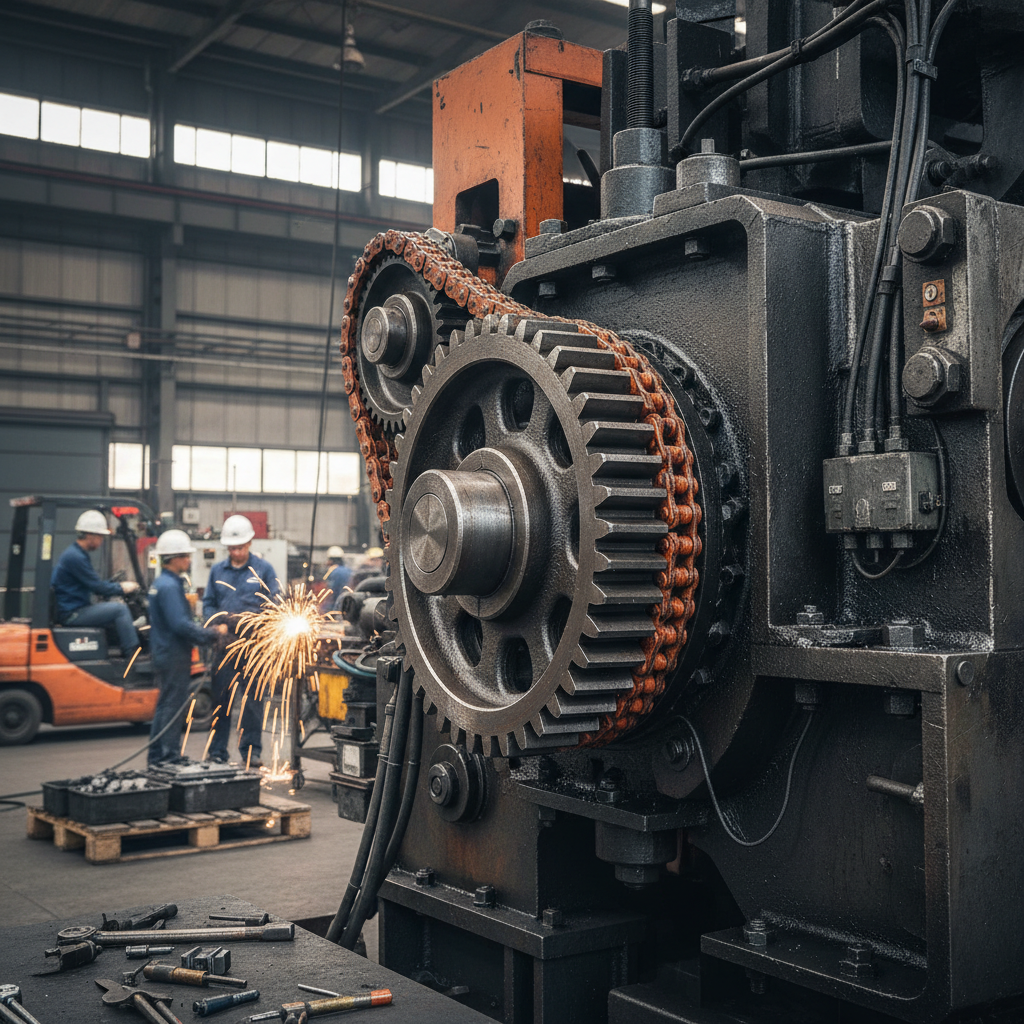
Beyond static lifting, dynamic mechanical systems form the backbone of modern industrial automation. Gearing mechanisms are fundamental to power transmission, motion control, and torque multiplication across virtually every sector. Understanding the common types of gears is essential for optimizing system performance, whether for precision robotics, heavy machinery, or specialized agricultural equipment. Gears enable efficient transfer of rotational motion and power, adapting speed and torque as needed.
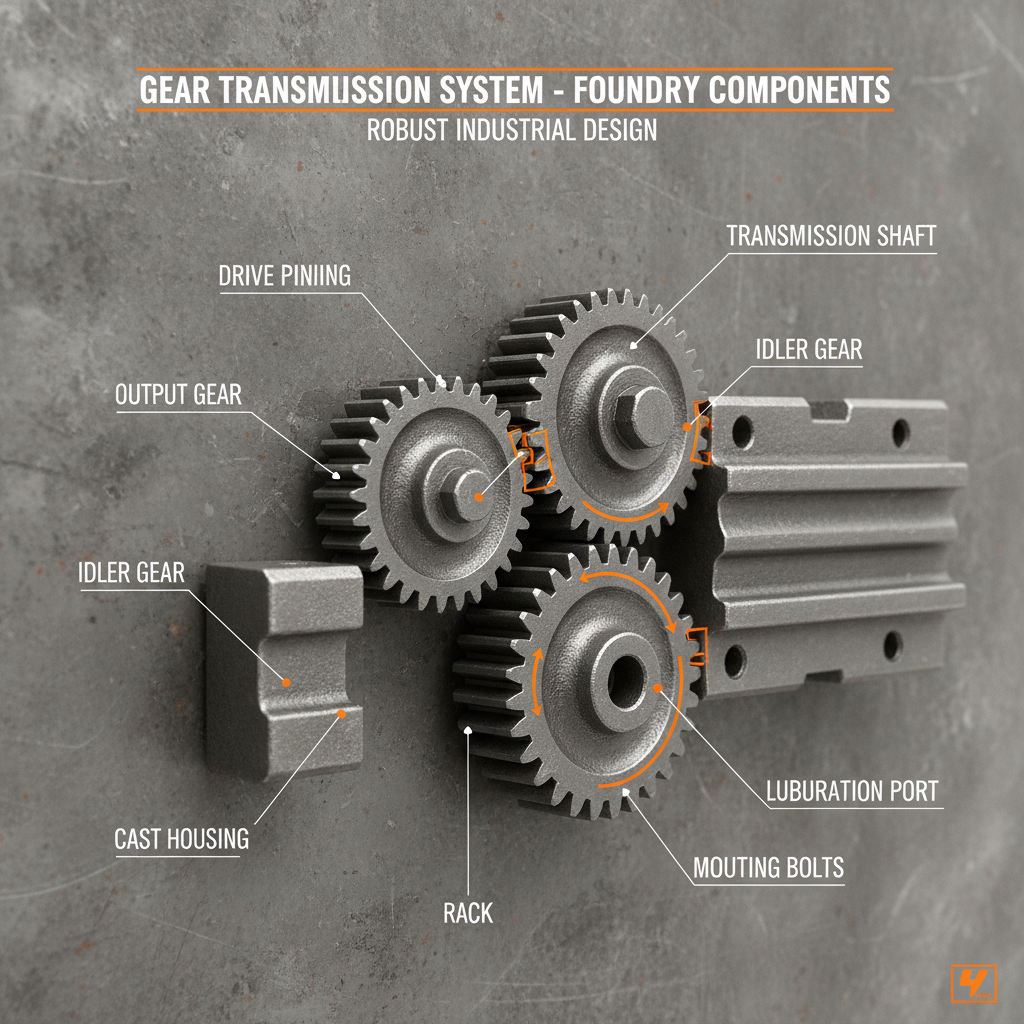
Among the common types of gears are spur gears, known for their simplicity and high efficiency in parallel axis applications; helical gears, which offer smoother operation and higher load capacity due to their angled teeth; bevel gears, used for transmitting power between intersecting shafts; and worm gears, providing large speed reductions and self-locking capabilities. Each type serves a distinct purpose, tailored to specific design requirements and operational environments. The choice of gear type profoundly impacts the overall efficiency, noise levels, and lifespan of a mechanical system.
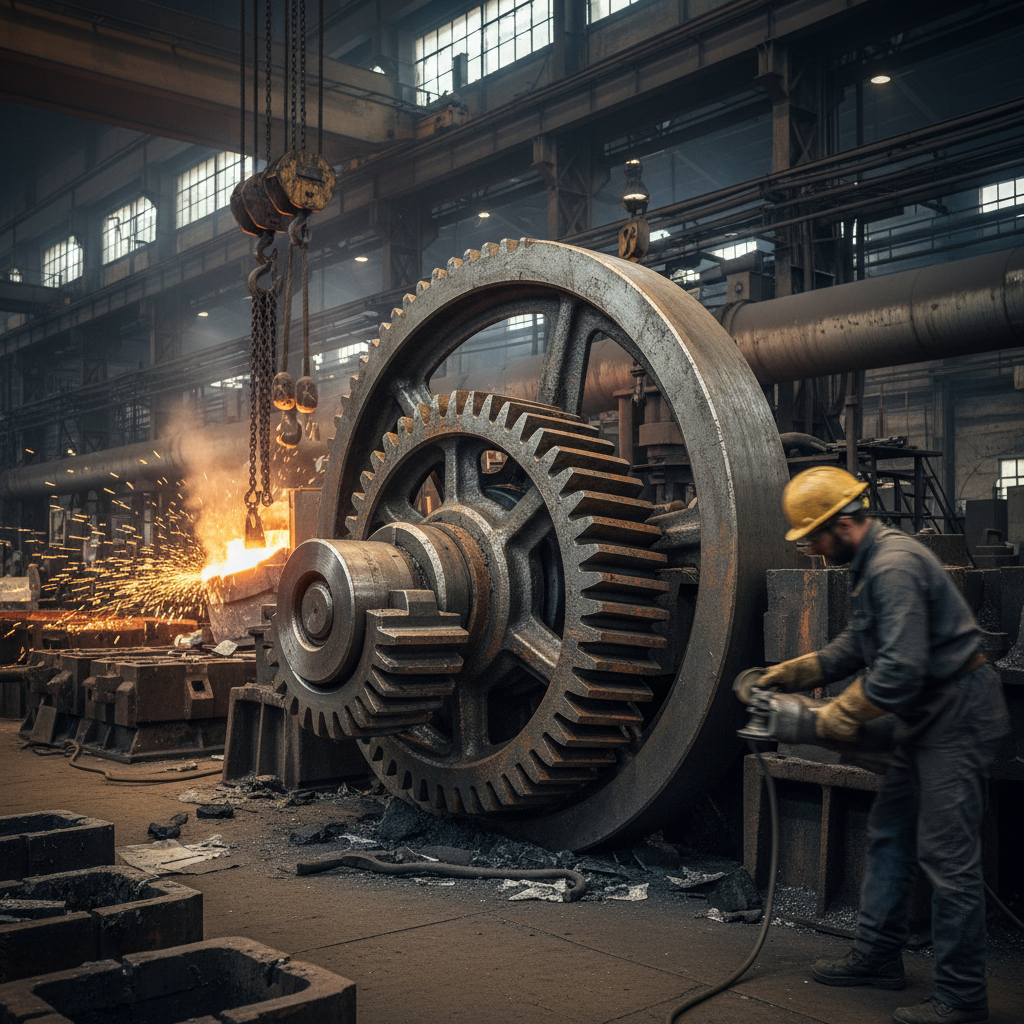
Complementing individual gears are different types of gear box units, which encapsulate multiple gears to achieve specific output speeds and torques. These enclosures protect the gears, bearings, and lubricants, ensuring optimal performance and extending operational life. Gearboxes are integral to a vast array of machinery, from wind turbines to industrial conveyors, providing reliable power conversion and precise motion control in demanding applications. Their design complexity varies greatly depending on the required torque, speed ratio, and environmental conditions, making material selection and manufacturing precision paramount.
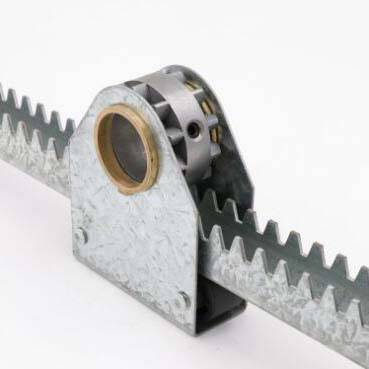
Deep Dive into Rack and Pinion Systems: The Backbone of Linear Motion
While many gears transmit rotary motion, the rack and pinion system stands out for its ability to convert rotational motion into linear motion, or vice versa. This simple yet highly effective mechanism consists of a circular gear (the pinion) meshing with a linear toothed bar (the rack). Its inherent design provides excellent positional accuracy and rigidity, making it indispensable in applications requiring precise linear movement and high load-bearing capacity. From steering systems in automobiles to precision machine tools, the rack and pinion delivers reliable and controlled motion.
A prime example of its specialized application is the rack and pinion for greenhouse ventilation. In modern horticulture, controlled environments are crucial for optimal plant growth. Efficient ventilation systems are vital for regulating temperature, humidity, and CO2 levels. Rack and pinion systems provide the robust and precise linear actuation required to open and close greenhouse roof vents or side walls. This ensures a uniform and reliable ventilation response across large greenhouse structures, contributing significantly to energy efficiency and crop yield.
The advantages of using a rack and pinion for greenhouse ventilation include its durability, high load capacity, and smooth operation, even under varying weather conditions. Unlike other linear actuators, these systems can span long distances with consistent performance, minimizing maintenance and maximizing the lifespan of the ventilation mechanism. The precision offered ensures exact vent positioning, allowing for fine-tuned environmental control, which is critical for specialized crops. This application exemplifies how fundamental mechanical components, like rack and pinion gears, are adapted to meet specific industry needs, enhancing operational efficiency and promoting sustainable practices.
Manufacturing Excellence: Precision Engineering for Gears and Lifting Sling Types
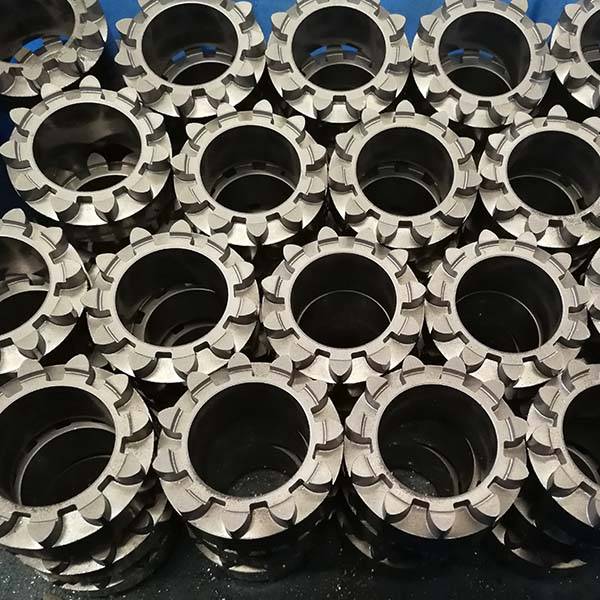
The performance and longevity of industrial components, whether they are sophisticated gear systems or robust lifting sling types, are directly tied to their manufacturing process. For high-precision components like gears and rack and pinion systems, the journey from raw material to finished product involves stringent processes designed to ensure structural integrity, dimensional accuracy, and optimal functionality. This meticulous approach begins with material selection, often involving high-grade alloy steels chosen for their strength, hardness, and wear resistance, which are critical for components enduring high stress and continuous motion.
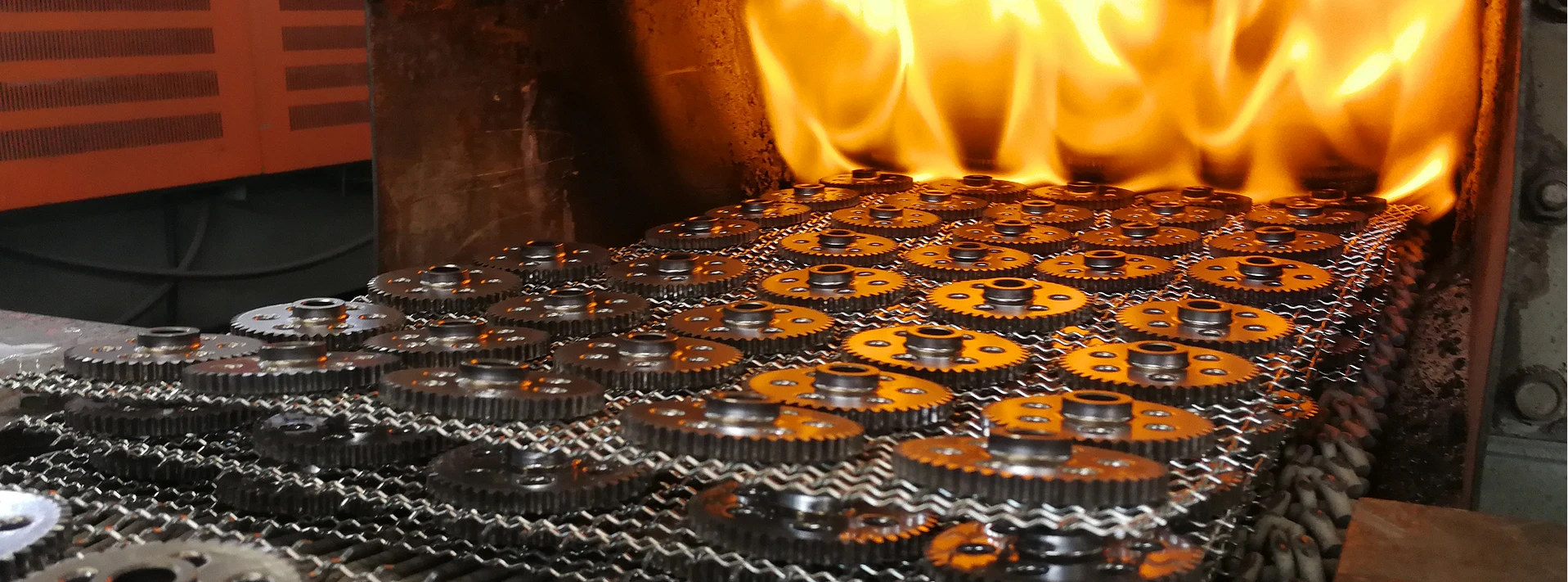
The manufacturing process typically includes forging or casting to achieve the initial rough shape, followed by advanced CNC (Computer Numerical Control) machining for unparalleled precision. This step ensures that tooth profiles, dimensions, and surface finishes meet exact specifications, minimizing friction and maximizing power transmission efficiency. Subsequent heat treatment processes, such as carburizing, nitriding, or induction hardening, are applied to enhance surface hardness and core toughness, significantly extending the component's lifespan and improving resistance to fatigue and wear. This entire process adheres to international standards such as ISO 9001 for quality management and specific product standards like ANSI/AGMA for gearing, ensuring consistency and reliability across batches.
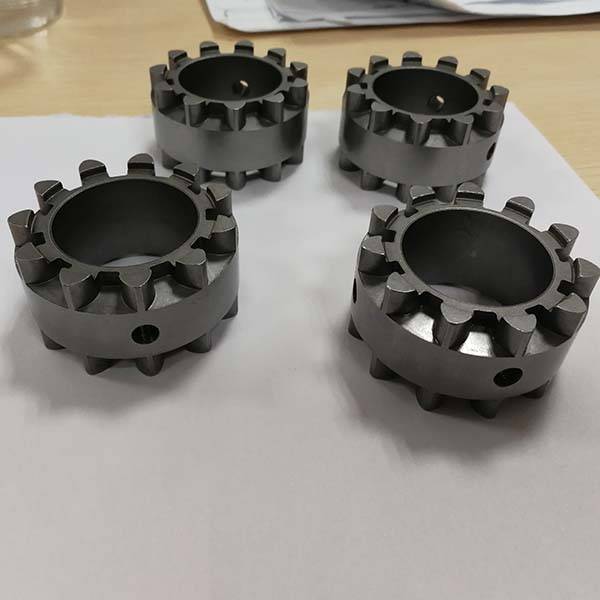
For components like industrial gears, particularly those used in demanding environments like different types of gear box units for heavy machinery or precise rack and pinion systems for automated ventilation, rigorous inspection and quality control are integrated at every stage. This includes material composition verification, dimensional checks using advanced metrology equipment, and performance testing under simulated load conditions. The commitment to these manufacturing standards guarantees products that offer superior performance, exceptional longevity, and enhanced resistance to environmental factors such as corrosion or extreme temperatures, leading to significant operational savings and improved system reliability.
Technical Advantages and Broad Industry Applications
The technical advantages of expertly engineered gears and specialized mechanical systems extend far beyond their individual components, impacting the overall performance and sustainability of industrial operations. High-precision manufacturing ensures minimal backlash in gear trains, leading to more accurate motion control and reduced energy losses. Materials selected for durability and resistance to wear translate into longer service intervals and lower maintenance costs, a crucial factor for B2B decision-makers. For instance, the use of hardened steel in common types of gears significantly extends their operational life, even in high-stress, continuous-operation environments.
Beyond the agricultural sector, specialized rack and pinion systems find extensive use in robotics, where precise linear movement is paramount for robotic arms and gantry systems. In material handling, robust gearing solutions ensure the smooth and controlled movement of conveyors and automated storage and retrieval systems. The petro-chemical industry relies on corrosion-resistant gearboxes for valve actuation, while the water treatment sector benefits from energy-efficient gear drives for pumps and filtration systems. The adaptability of these components, coupled with their inherent strength and precision, makes them indispensable across a spectrum of demanding industries.
The continuous advancement in materials science and manufacturing technologies further enhances the capabilities of these mechanical components. Innovations in surface coatings improve wear resistance and reduce friction, contributing to energy savings and extended operational life. As industries trend towards automation and higher efficiency, the demand for precision-engineered different types of gear box and gear solutions will only intensify, solidifying their role as foundational elements in modern industrial infrastructure.
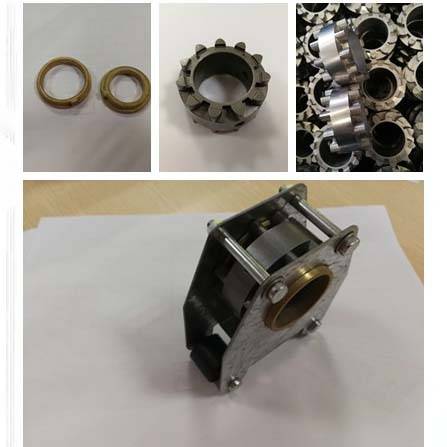
Partnering for Custom Solutions & Unwavering Reliability
Selecting the right industrial components requires more than just understanding technical specifications; it demands a partnership with a manufacturer committed to quality, innovation, and customer-specific solutions. A reputable supplier offers not only standard products but also possesses the engineering prowess to develop custom solutions tailored to unique operational challenges. This includes designing specialized common types of gears for unconventional applications or creating bespoke different types of gear box units to fit specific space constraints and performance requirements.
Our commitment to excellence is underpinned by rigorous quality assurance protocols, including adherence to international standards such as ISO 9001. Every component, whether a robust gear or a precision rack and pinion system, undergoes comprehensive testing to ensure it meets or exceeds industry benchmarks for durability, efficiency, and safety. This meticulous approach minimizes the risk of downtime and operational failures, providing clients with unparalleled peace of mind. Our extensive service life of products, often exceeding typical industry standards, is a testament to our engineering and manufacturing quality.
We understand that project timelines and delivery reliability are critical. Our streamlined production processes and efficient logistics ensure competitive delivery cycles without compromising on quality. Furthermore, our comprehensive warranty policies and dedicated customer support team provide ongoing assistance, from initial consultation and design to post-installation support and maintenance advice. This holistic approach to service ensures that our clients receive not just products, but complete, reliable solutions that contribute directly to their operational success and long-term sustainability.
Frequently Asked Questions (FAQ)
Q1: What are the primary factors to consider when choosing between different lifting sling types?
A1: Key factors include the Working Load Limit (WLL) required, the nature of the load (e.g., sharp edges, delicate surfaces), the lifting environment (e.g., temperature extremes, corrosive substances), and the required sling configuration (e.g., vertical, basket, choker hitch). Each material, from polyester to alloy steel, has distinct advantages and limitations regarding these factors.
Q2: How does a rack and pinion for greenhouse ventilation contribute to energy efficiency?
A2: By providing precise and reliable control over vent opening and closing, rack and pinion systems enable optimal regulation of internal greenhouse climate. This precision minimizes energy waste associated with overheating or overcooling, reducing the need for supplementary heating or cooling systems. Their robust nature also ensures consistent operation, preventing energy loss from malfunctioning vents.
Q3: What quality standards are critical for manufacturing common types of gears and gearboxes?
A3: Adherence to ISO 9001 for quality management is fundamental. Additionally, industry-specific standards such as those from AGMA (American Gear Manufacturers Association) or DIN (Deutsches Institut für Normung) are crucial for gear geometry, material specifications, and testing protocols. These standards ensure the highest levels of precision, durability, and performance.
Q4: What is the typical lead time for custom gear solutions or specialized different types of gear box units?
A4: Lead times for custom solutions can vary significantly based on complexity, material availability, and current production schedules. We strive to provide transparent and competitive delivery schedules, typically ranging from 4 to 12 weeks for highly customized orders, following design approval. Expedited options may be available depending on project urgency and resource allocation.
Conclusion
The selection and implementation of industrial components, ranging from robust lifting sling types to sophisticated common types of gears and different types of gear box units, are critical determinants of operational success. As industries continue to evolve towards higher efficiency and automation, the demand for precision-engineered, durable, and reliable mechanical solutions grows exponentially. Components like the rack and pinion for greenhouse ventilation exemplify how tailored engineering can meet highly specific industrial needs, enhancing productivity and sustainability.
Partnering with a manufacturer that combines technical expertise with a commitment to quality and customer-centric solutions is paramount. This ensures not only the supply of high-performance components but also access to comprehensive support, from design and customization to after-sales service. Investing in superior quality industrial mechanical parts is an investment in long-term operational reliability, reduced maintenance costs, and ultimately, enhanced competitive advantage in today's dynamic industrial landscape.
References
- Maitra, G. (2018). Handbook of Gear Design. McGraw-Hill Education.
- Budynas, R. G., & Nisbett, J. K. (2020). Shigley's Mechanical Engineering Design. McGraw-Hill Education.
- ISO 9001:2015. (2015). Quality management systems – Requirements. International Organization for Standardization.
- ASME B30.9. (2021). Slings. American Society of Mechanical Engineers.